

Vịnh Mốc tunnels
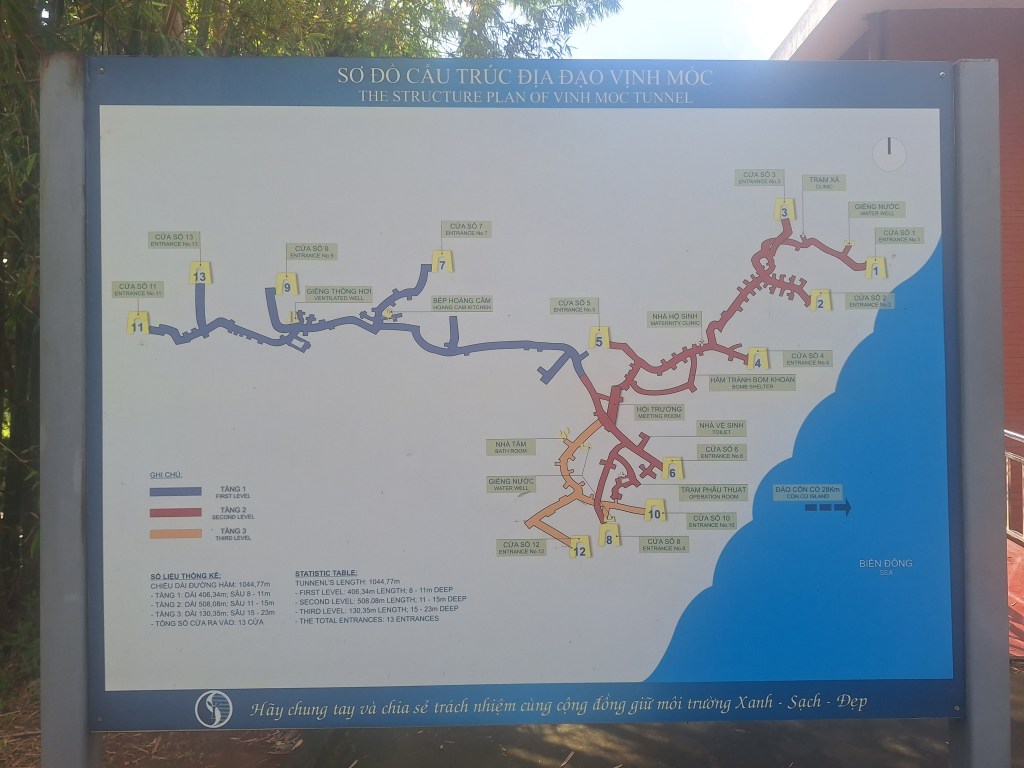
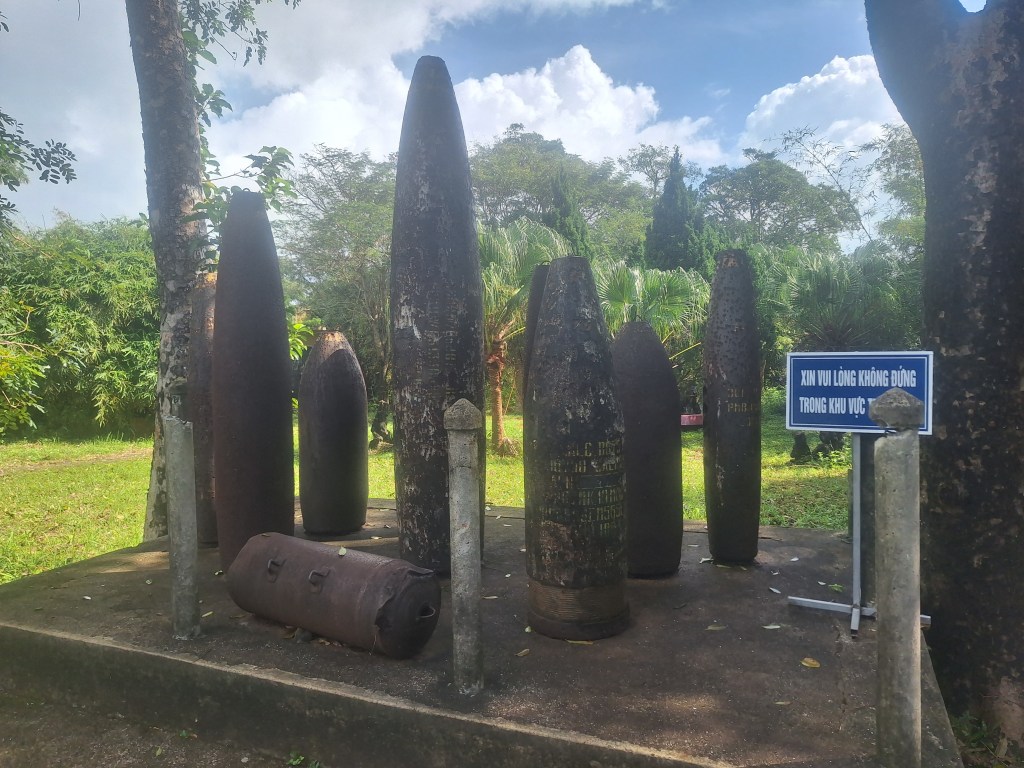
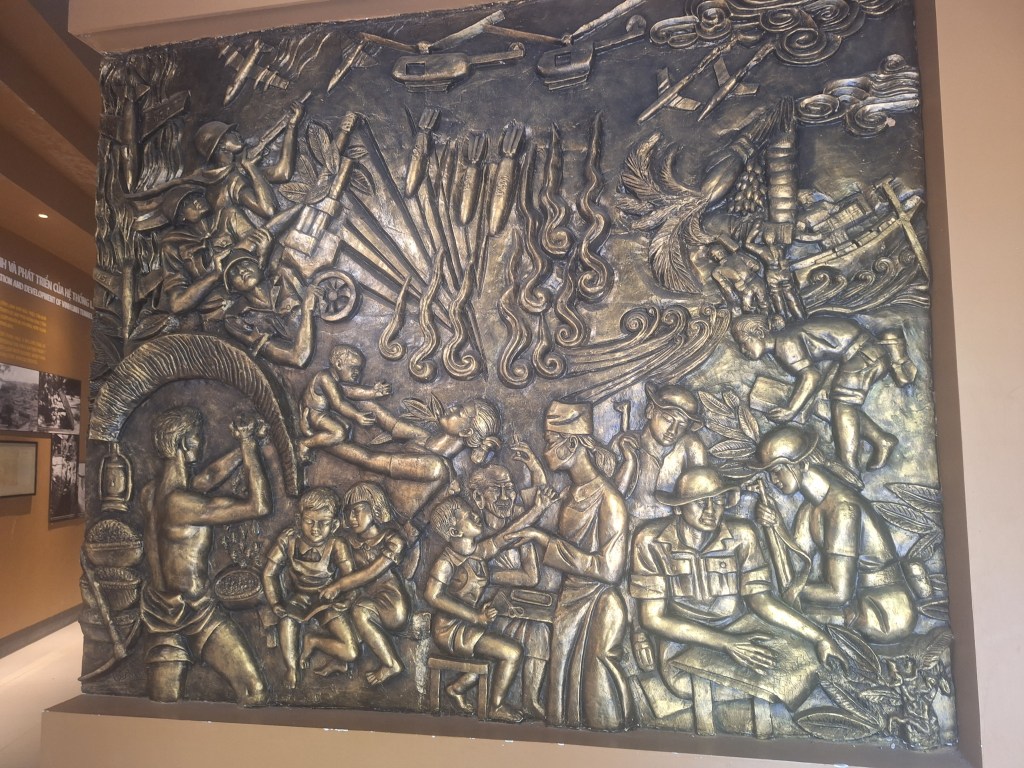
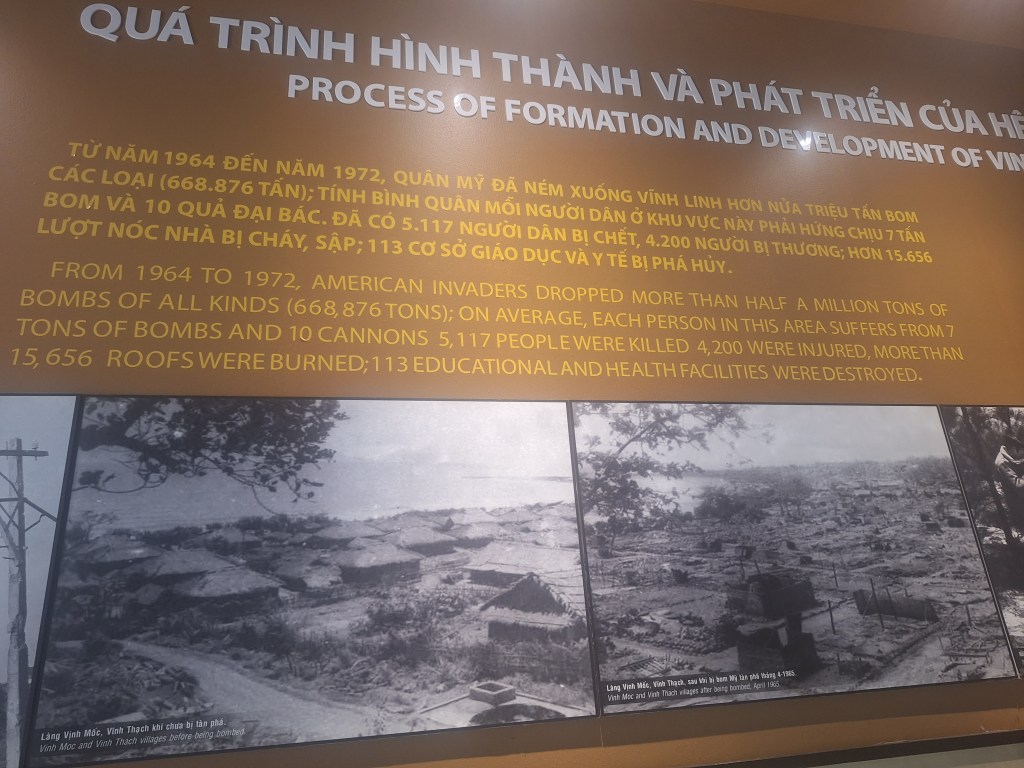
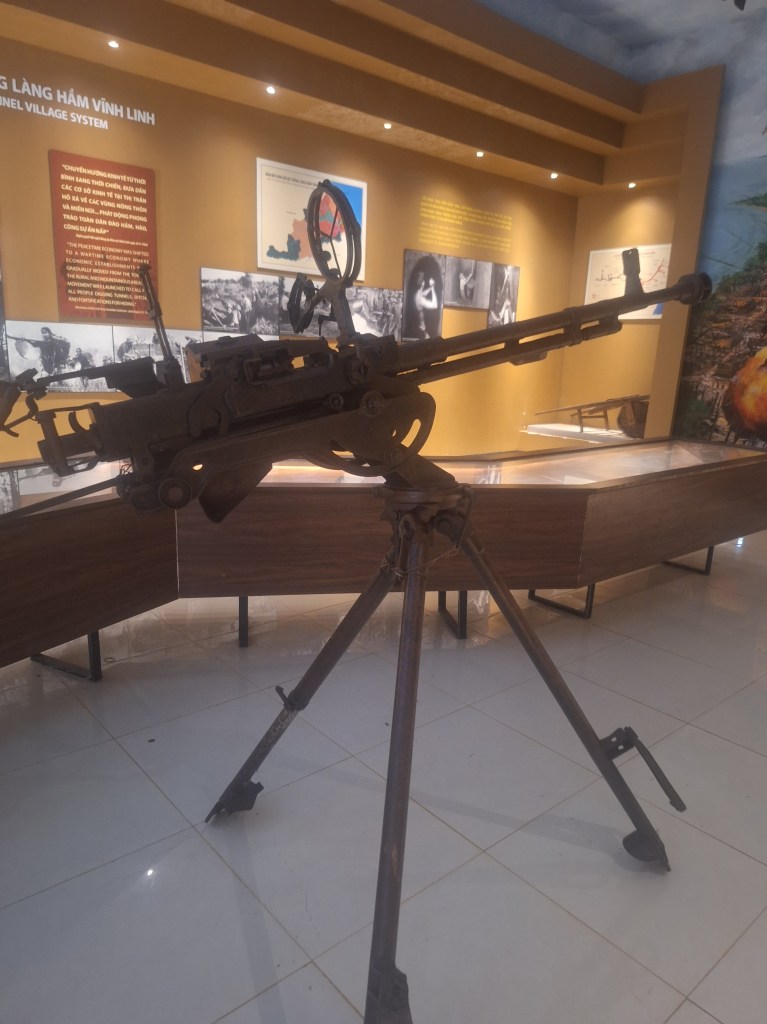
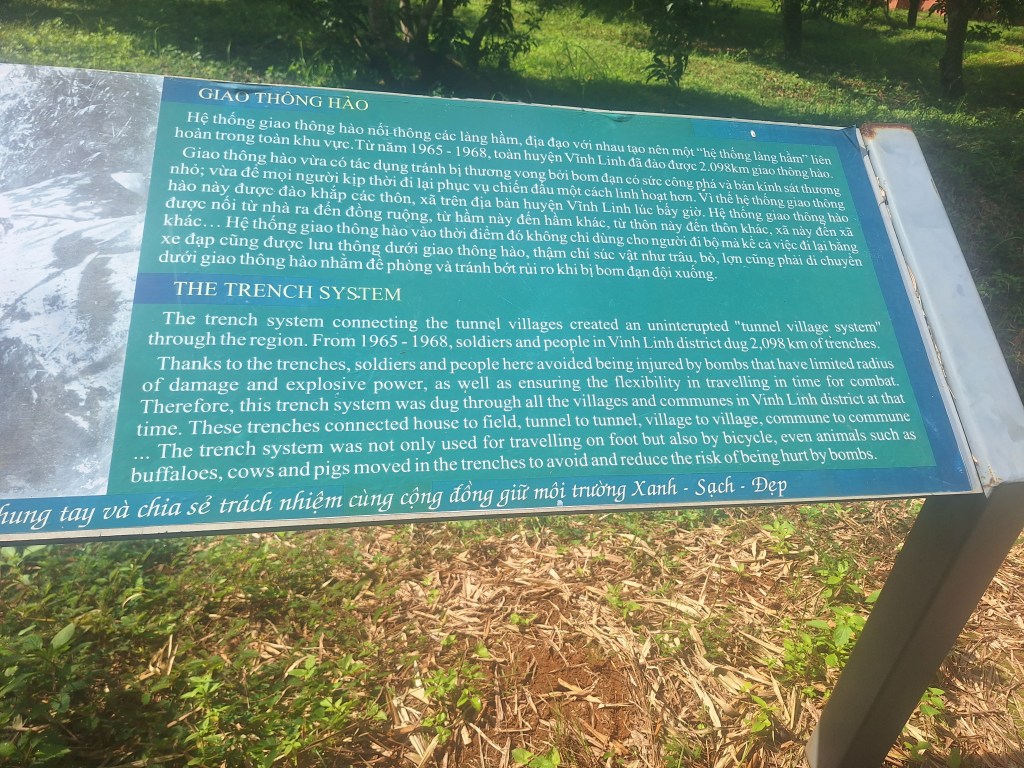
One of the only included activities on this tour was the Vịnh Mốc tunnels. These were located between the North and the South for the villagers to hide in during the Vietnam War. From 1955- 1964, the North tended to win the battles in this area. However, in 1965, a US patrol was attacked, and that sparked US troops coming to this area in force.
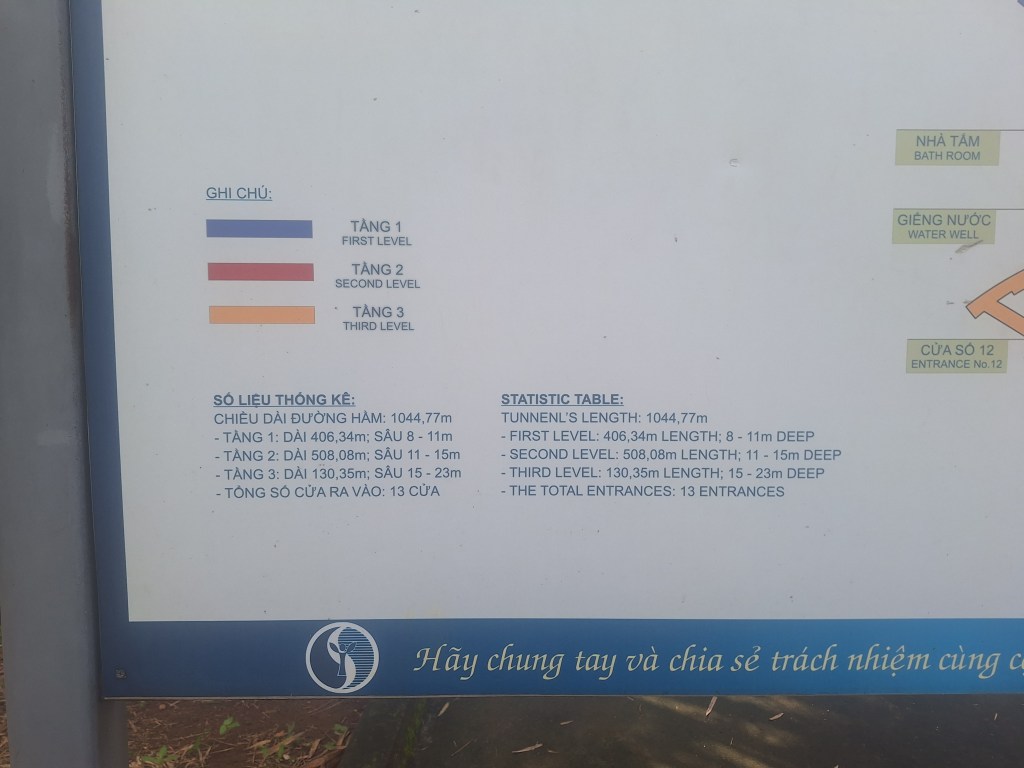
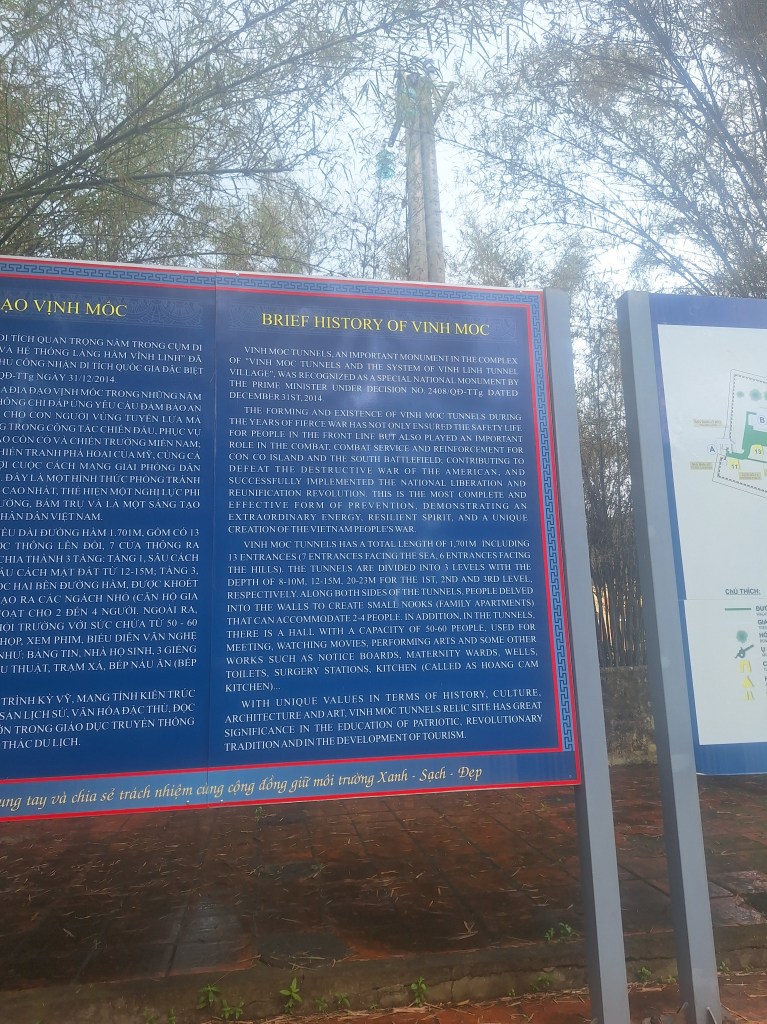
They started construction in 1966-1967 of these tunnels, which total 42km in length. They were used up until 1972.
The tunnels were spilt into 3 levels:
- 1st level -11m – fighting bunker, kitchen
- 2nd level – 15m – bedrooms – 600 people
- 3rd level – 23m – if there were bombs, this would be where they would go.
The 2nd level was built on a slope to allow the rain water to drainage into the sea. Gate 10 is the lowest point in terms of sea level.
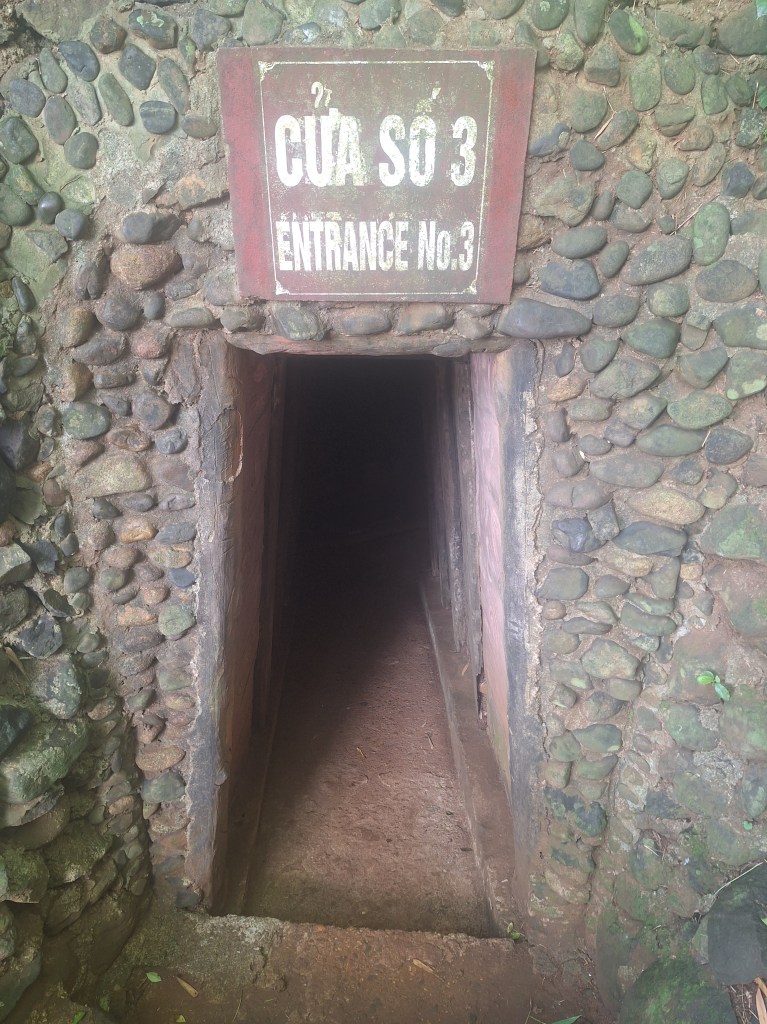

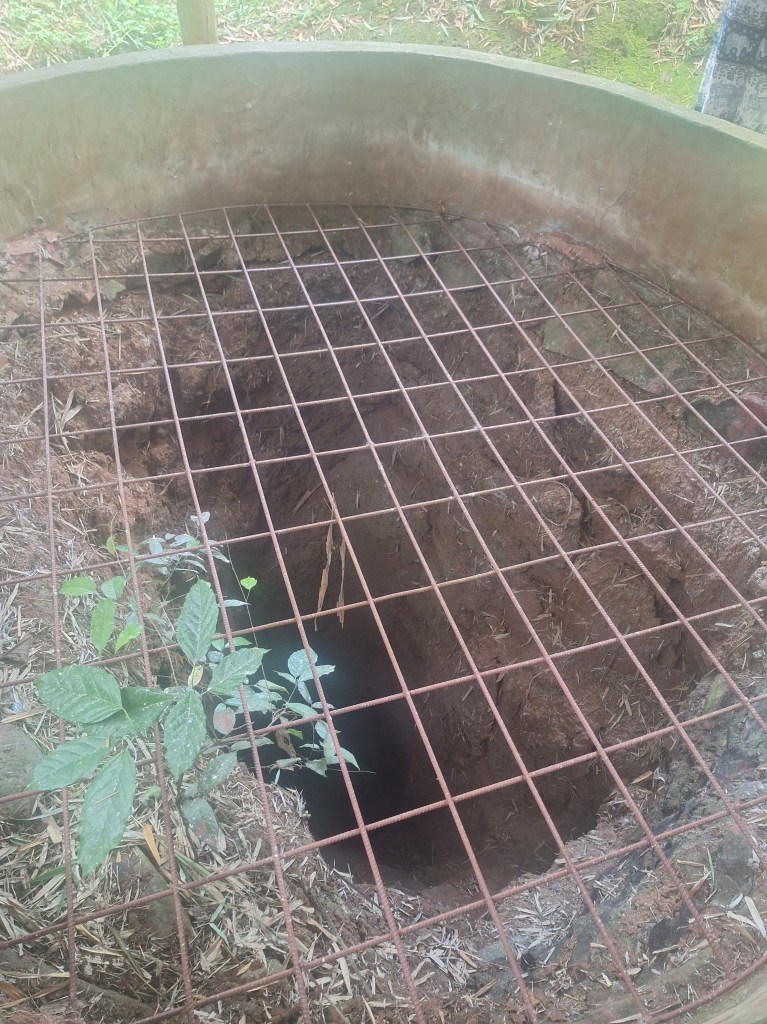
I only ventured into the first turn, I was too scared to go further like the others. Sounds like I made the right decision, not only did they have to step over a dead rat, there was a local guy that was mute that scared them. While we waited for the others we visited the small museum. We also saw one of the ventilation shafts, which was 28m deep to take air down to the lower levels of the tunnels.
On our way to Hue, we crossed the Hien Luong Bridge, which is the official border between North and South. The northern half was painted red, and the Southern half was blue. Tring mentioned that there were times that one side would paint the whole bridge in their colours, and then it would be redone in the correct ones.

Tring mentioned that after the war ended, the people of the South were punished. The soldiers could go into camps, and if they survived 2 years, they could go to the US to live. Depending on your parents’ or grandparents’ roles in the war or region, it would have an effect on what jobs you could get. Tring wanted to be a police officer, but due to his grandfather being in the war for even 2 years and his Catholic meant his is not eligible.
Issue is for 3 generations – next generation should not have this problem. However, in the North, the soldiers’ families would get more benefits such as land, extra points on exams, and better jobs.
Dang Nắng is where the French and Americans started within Vietnam. It’s a good central location and important for both political and military positioning.
Huế
The optional activity recommended for this afternoon was a motorbike sightseeing. There was no chance in hell I was getting on a bike, so I decided to plan my own tour and was grateful some of the others wanted to join me.
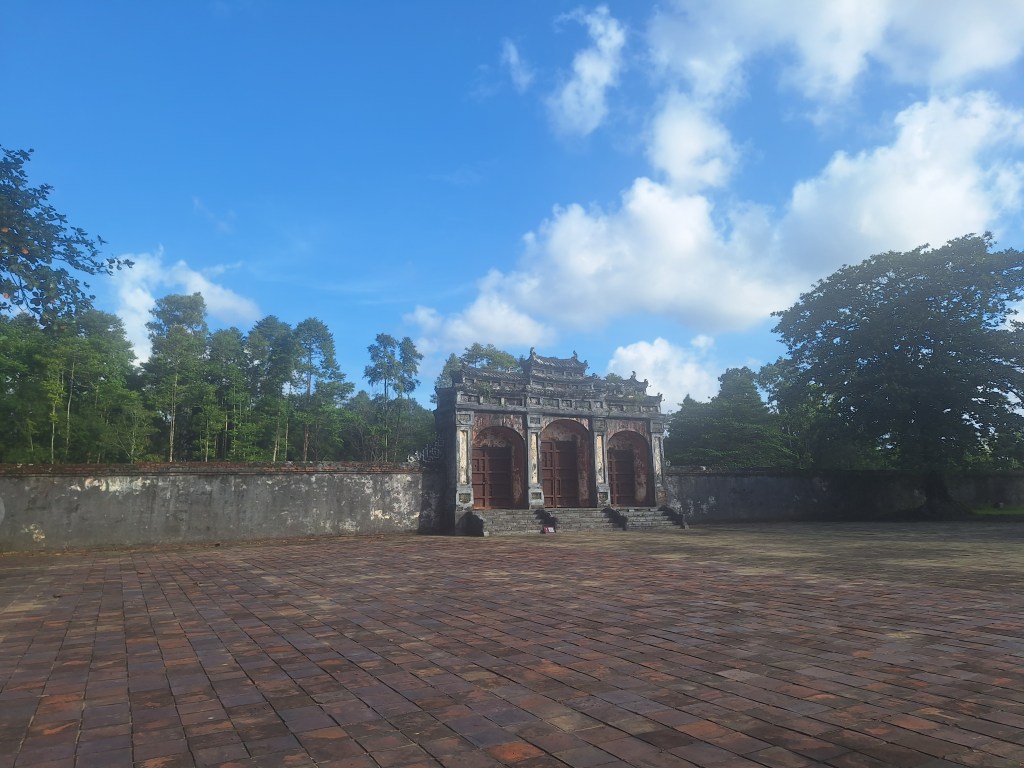
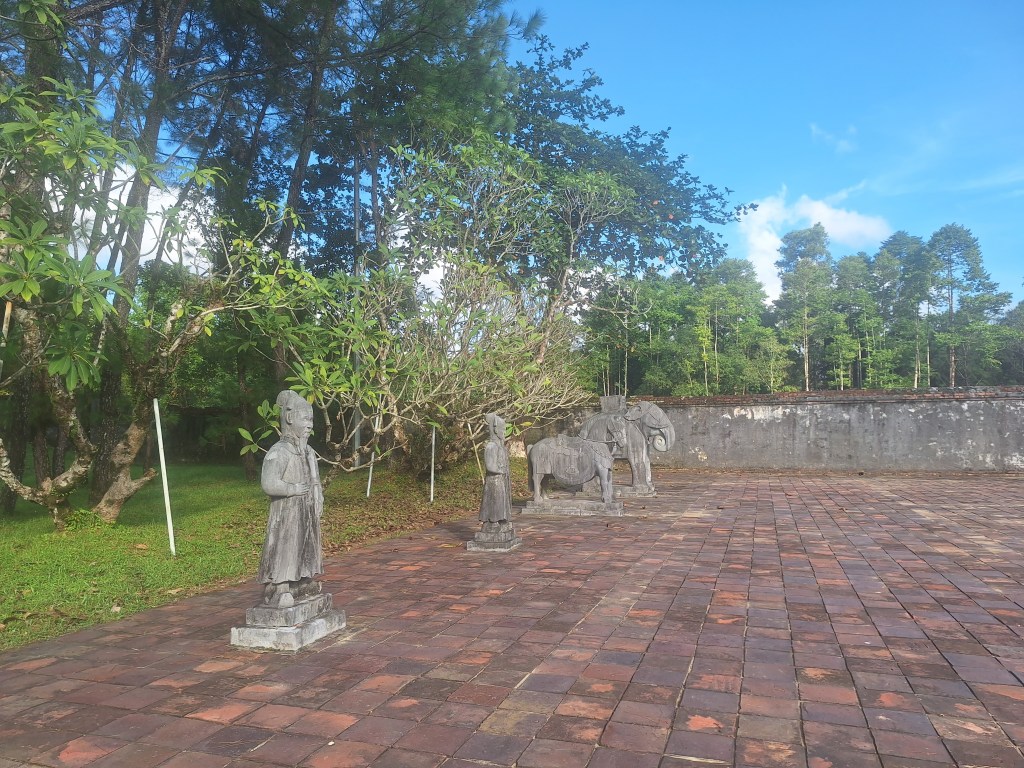
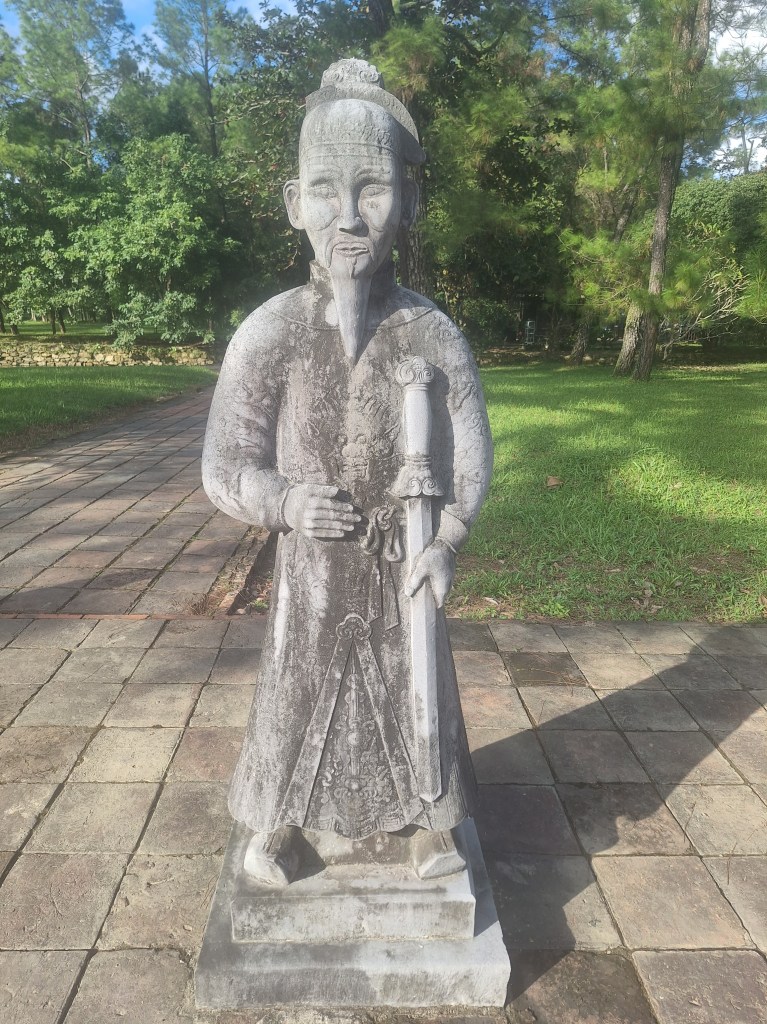
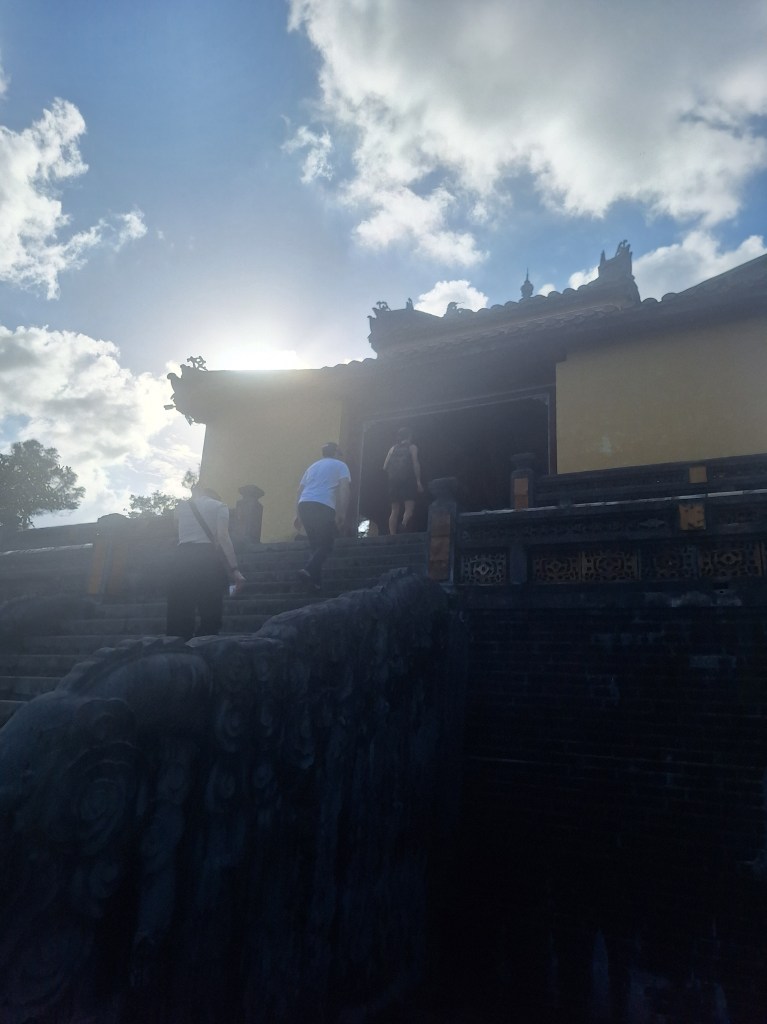
We had 3 stops: Khai Dinh Tomb, Thuy Xuan incense village, and Thien Mu Pagoda.
Khai Dinh Tomb
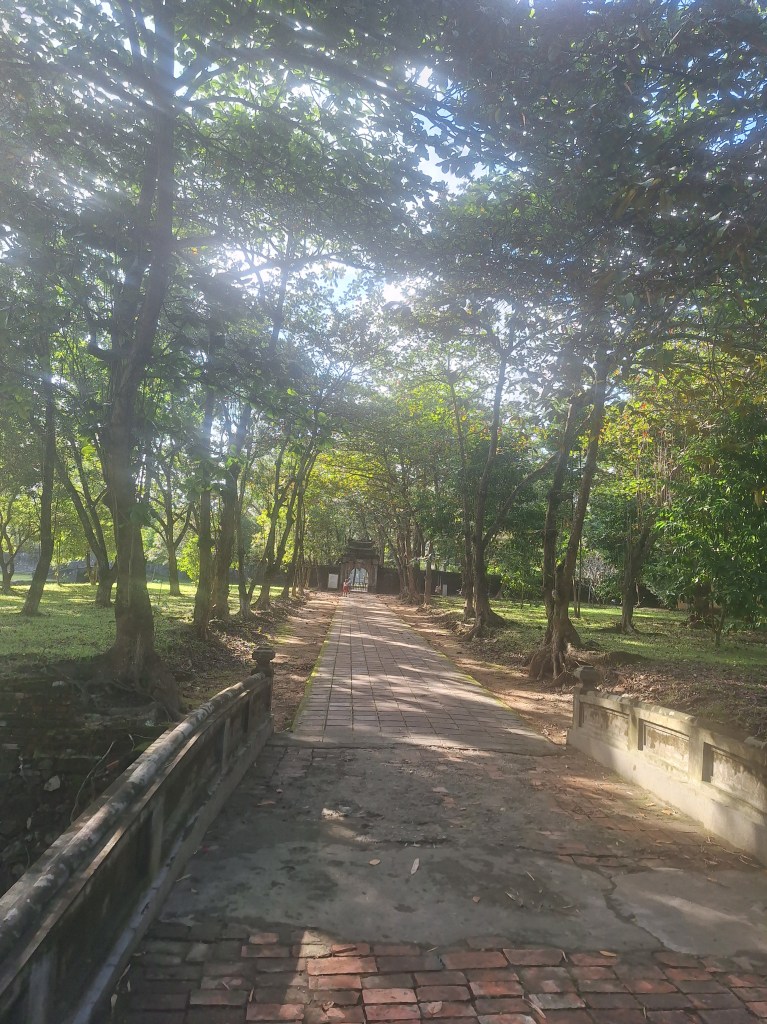
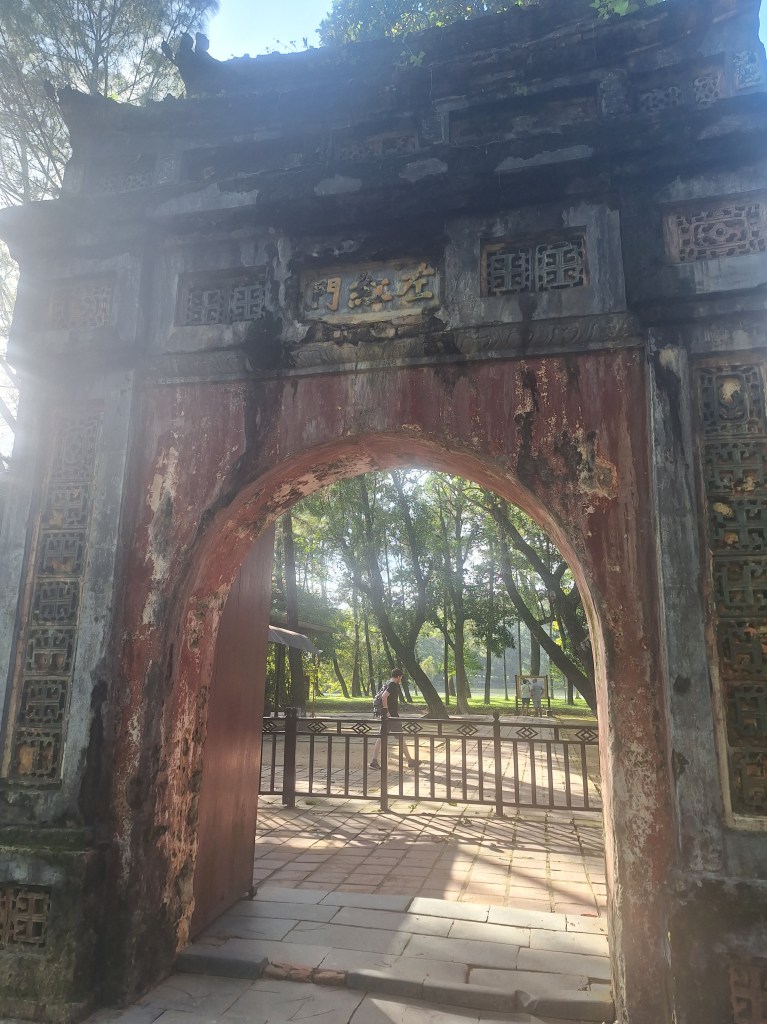
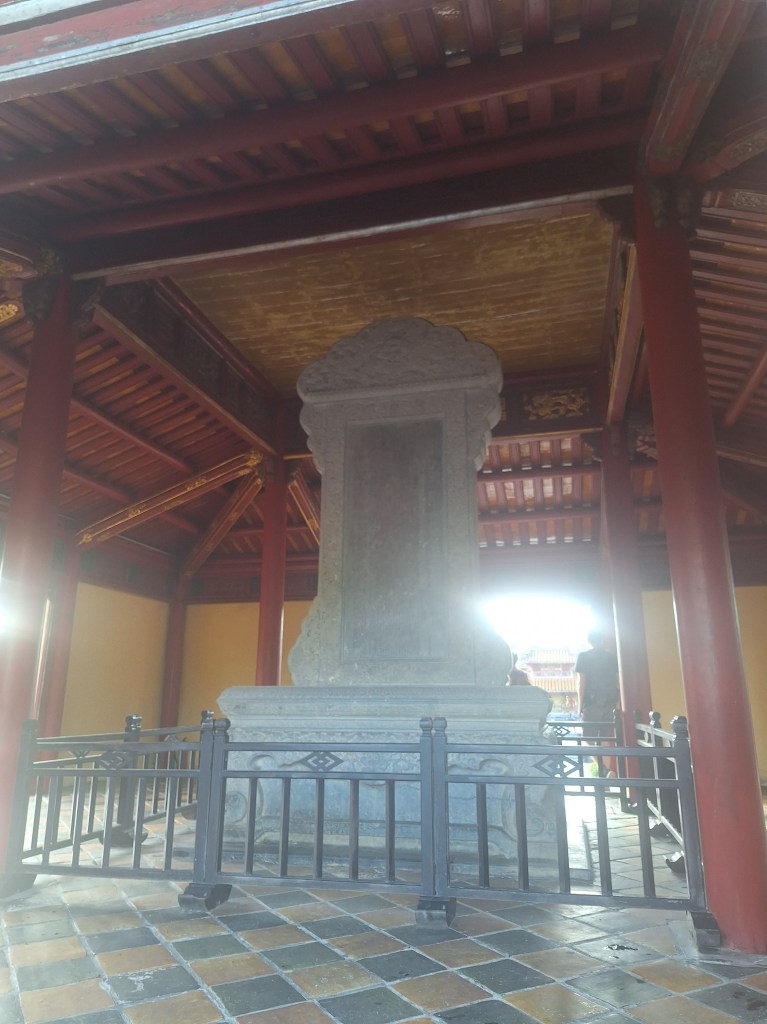
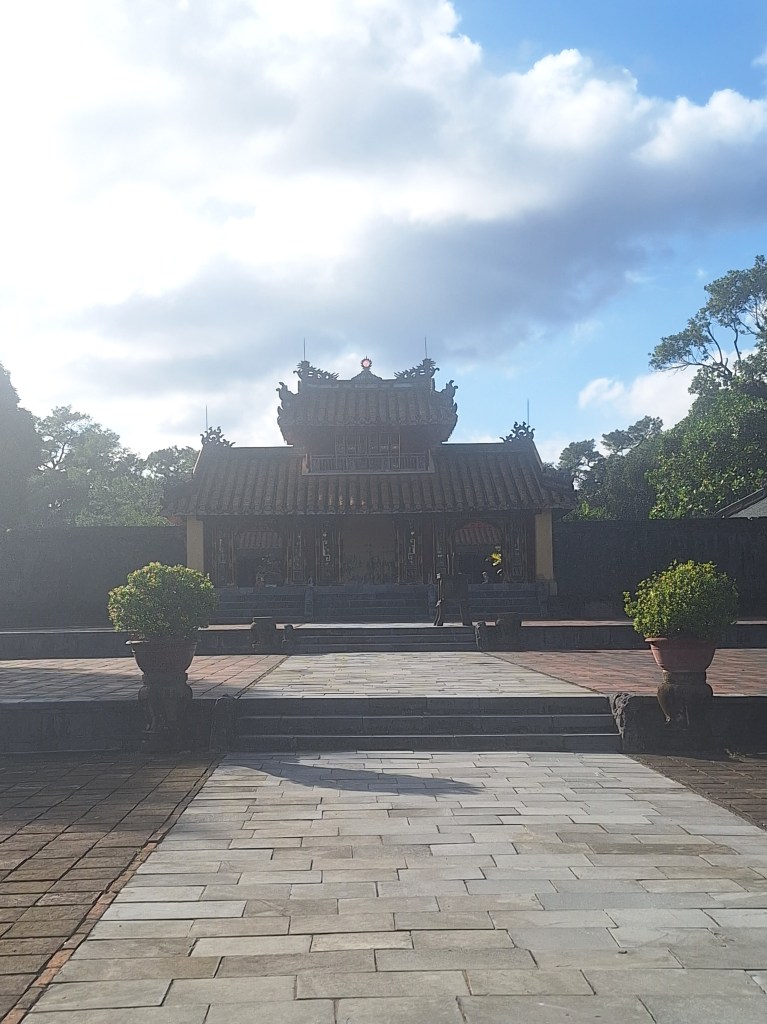
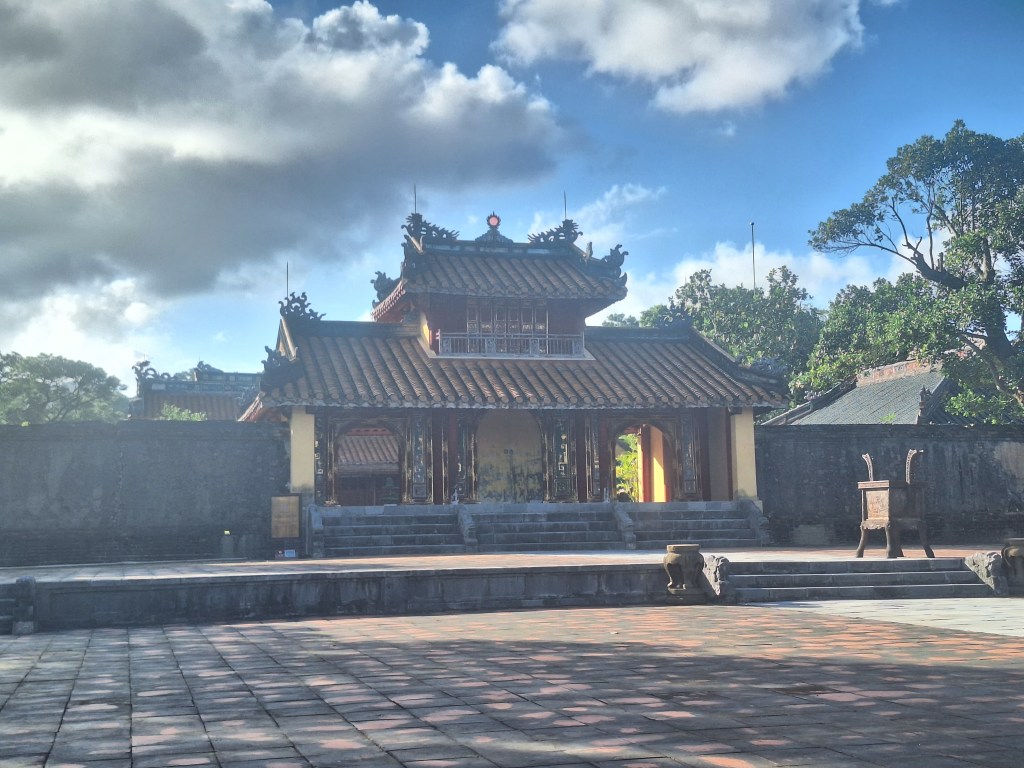
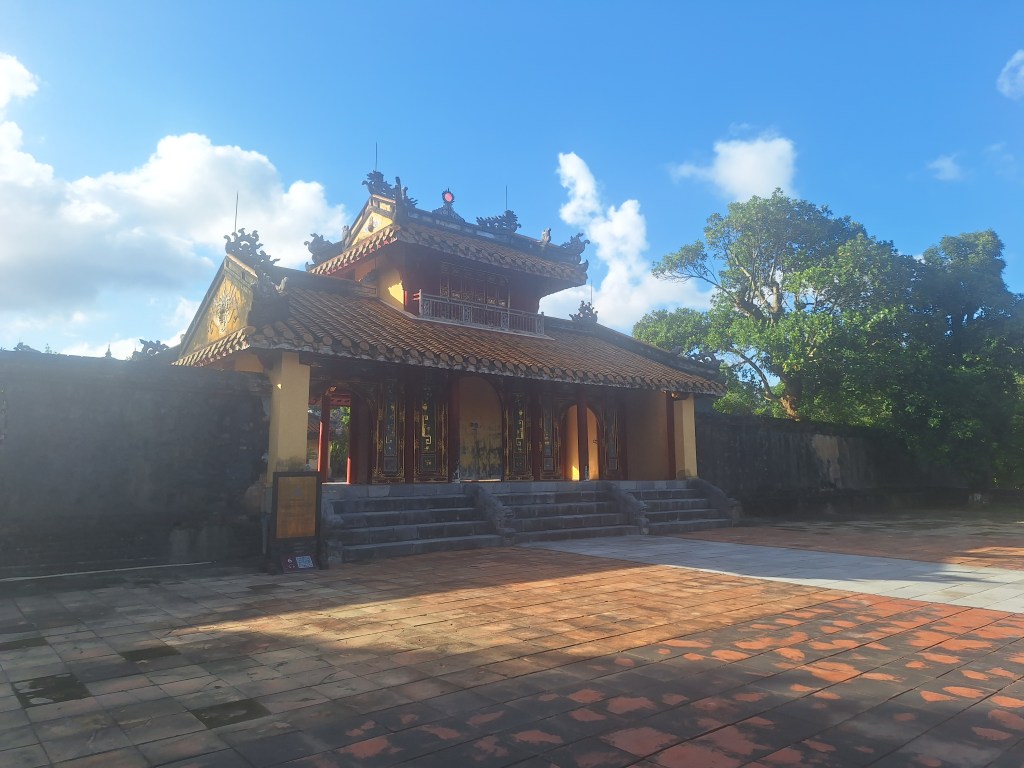
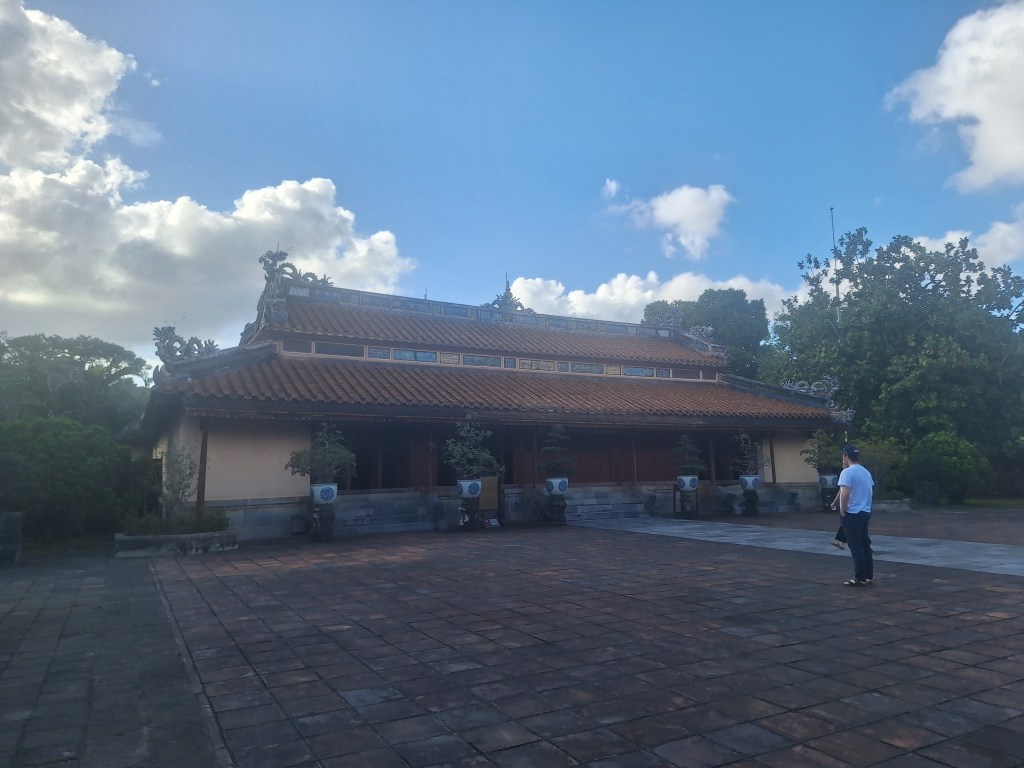
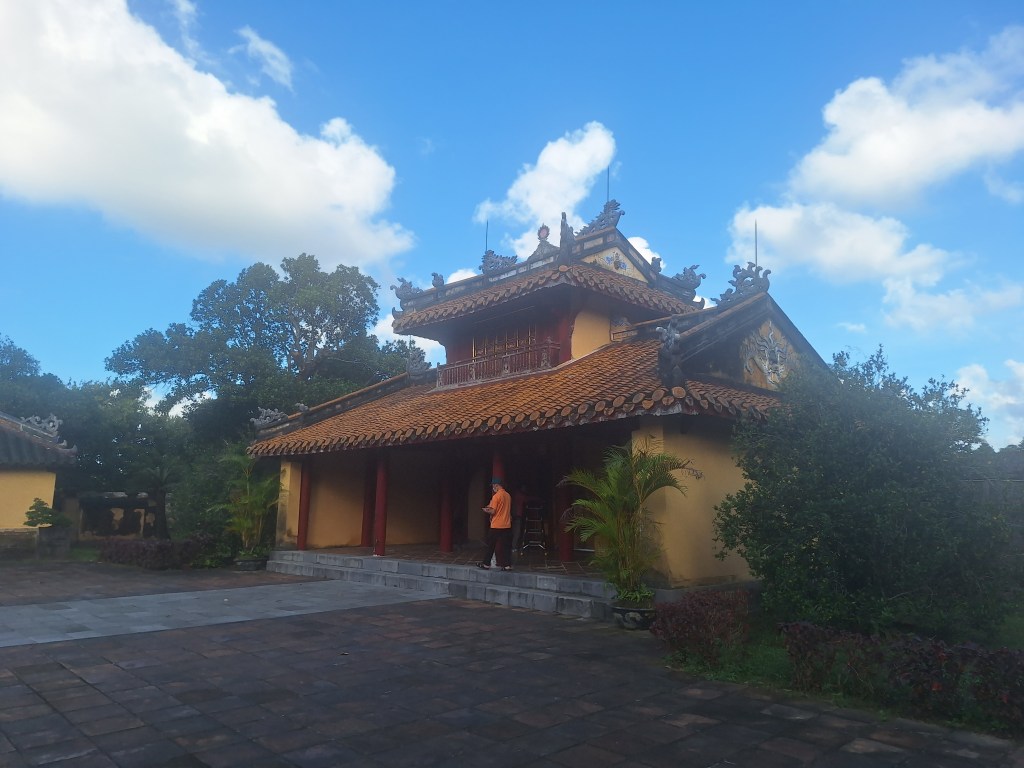
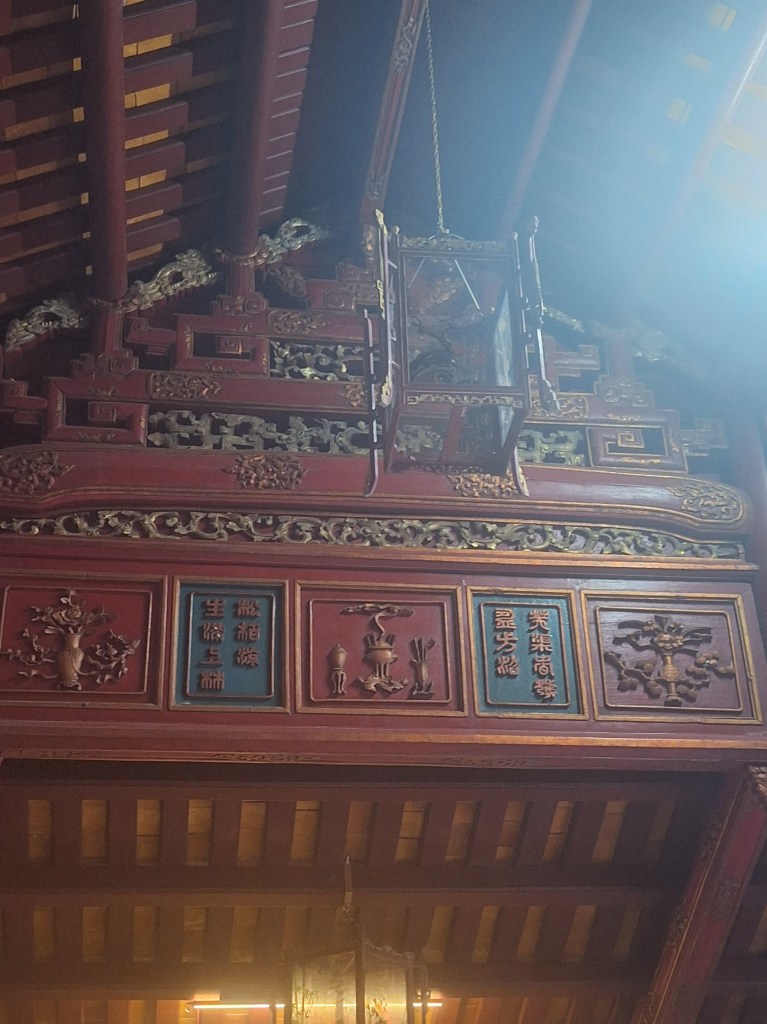
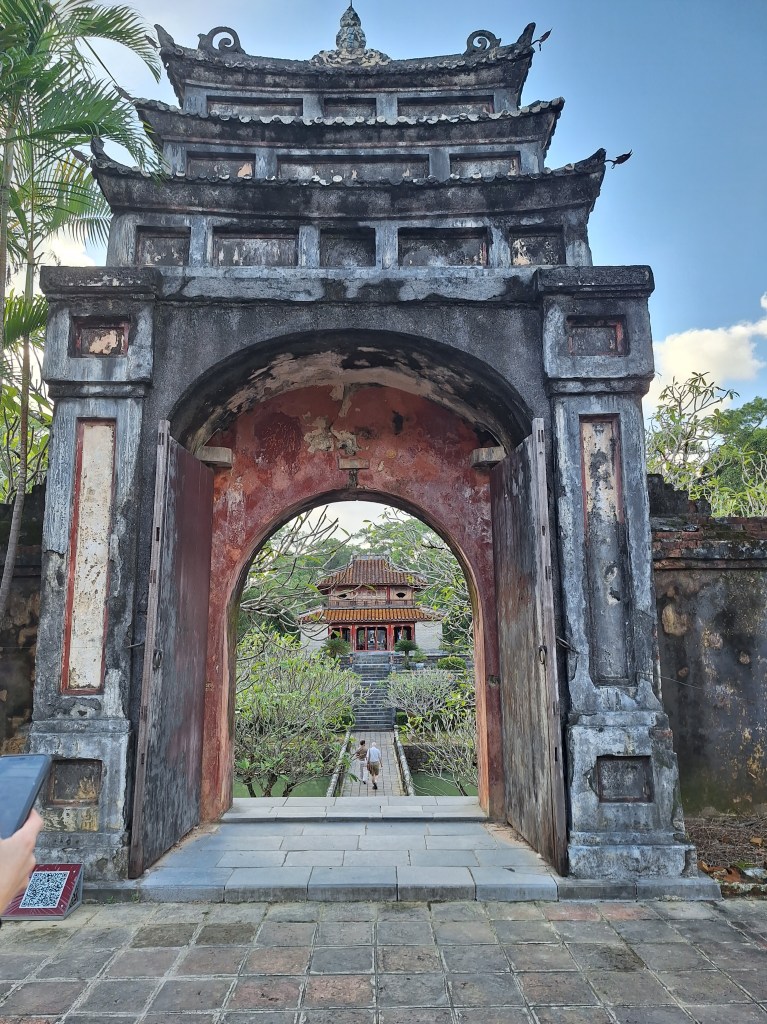
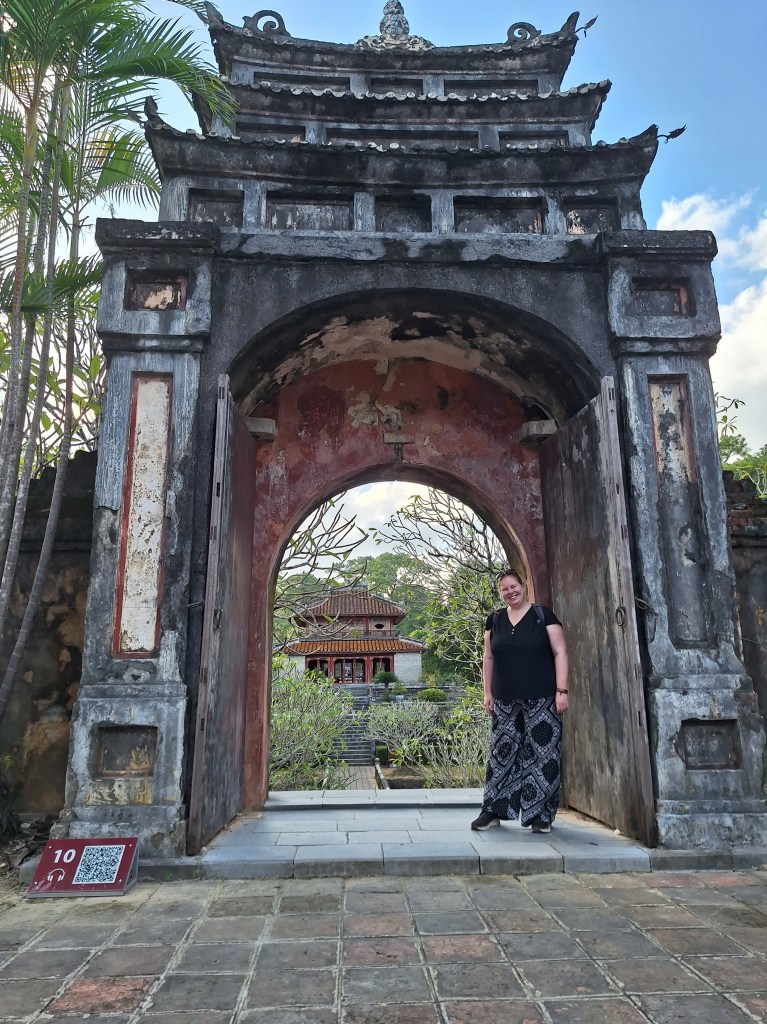
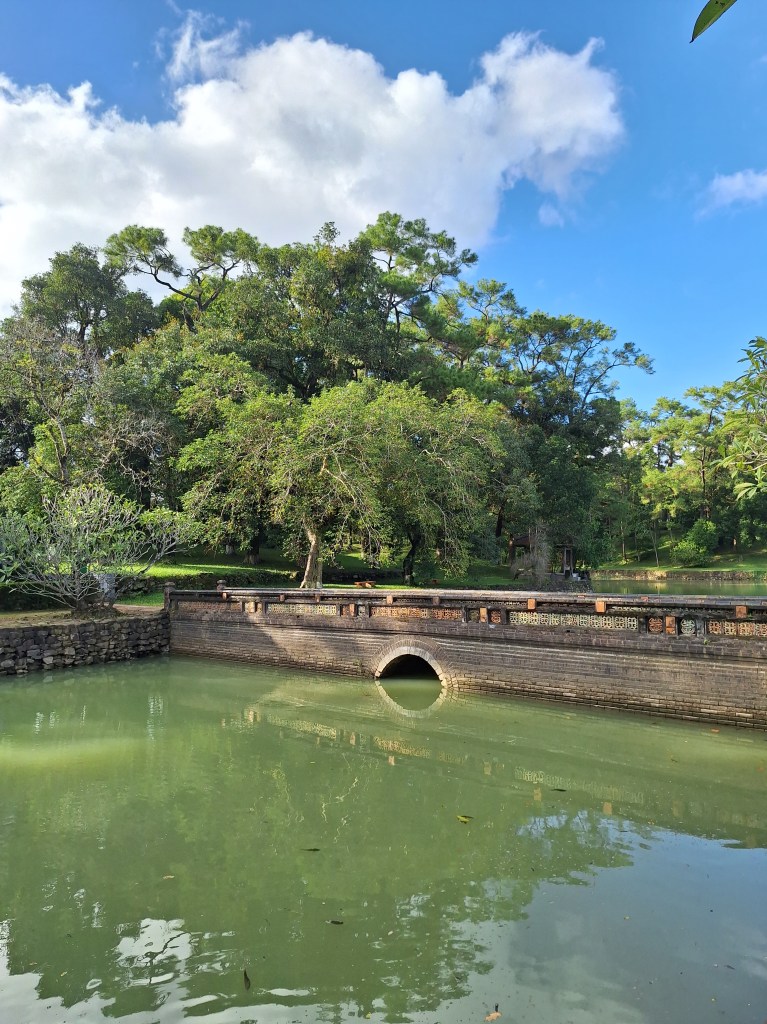
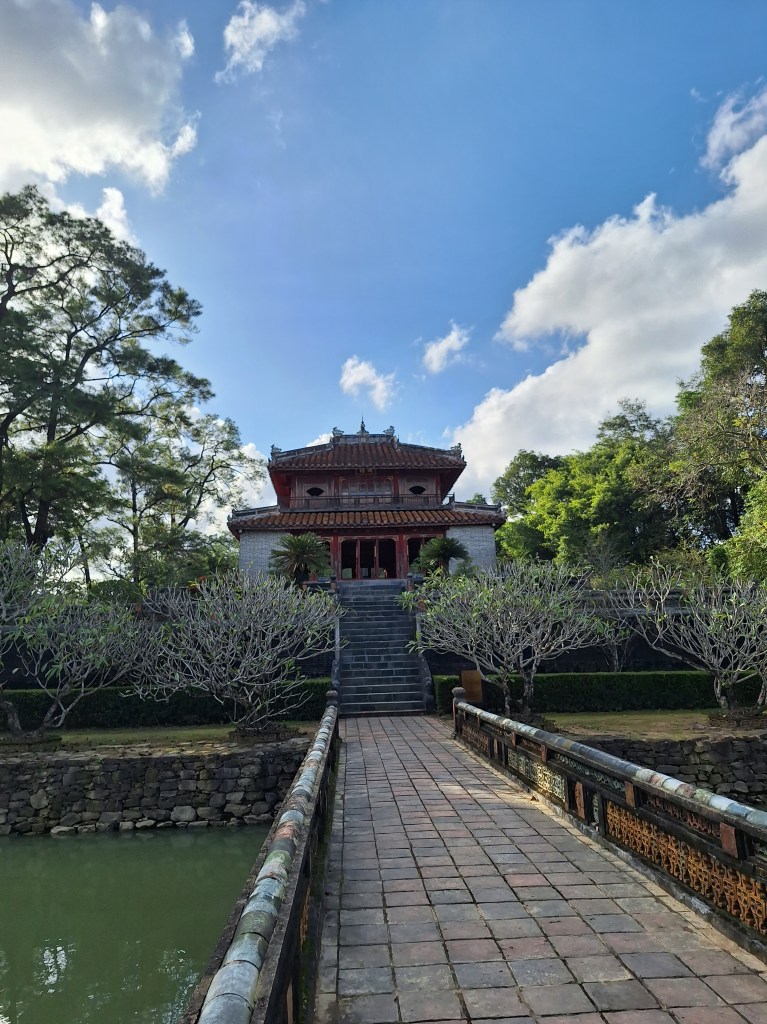
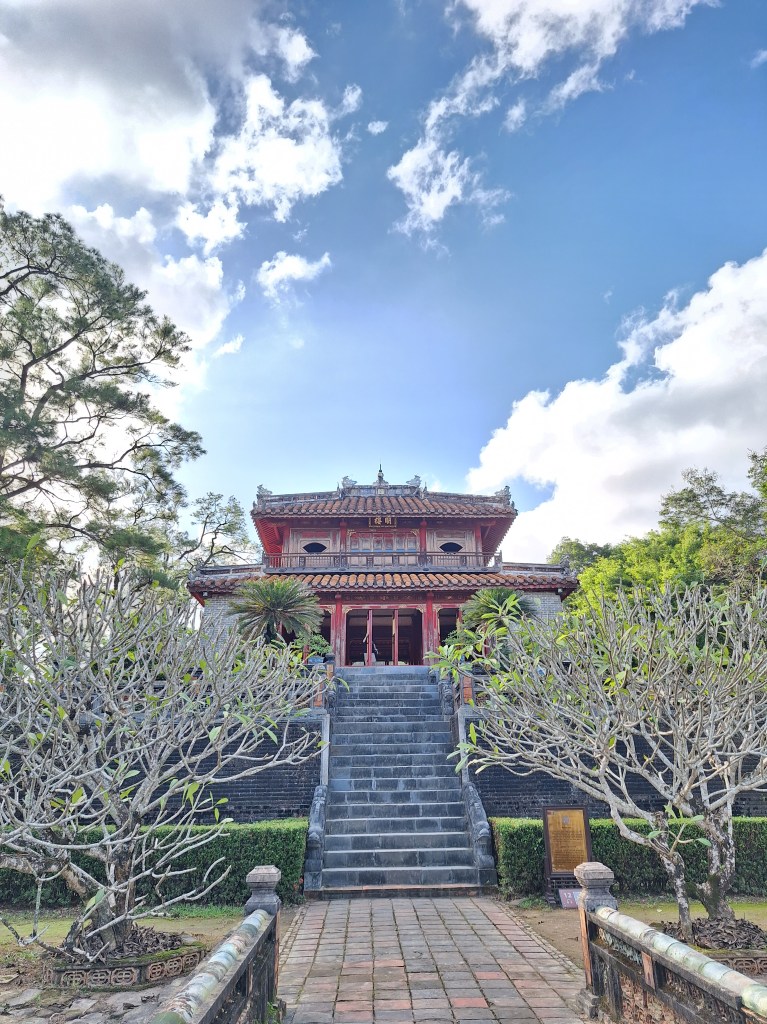
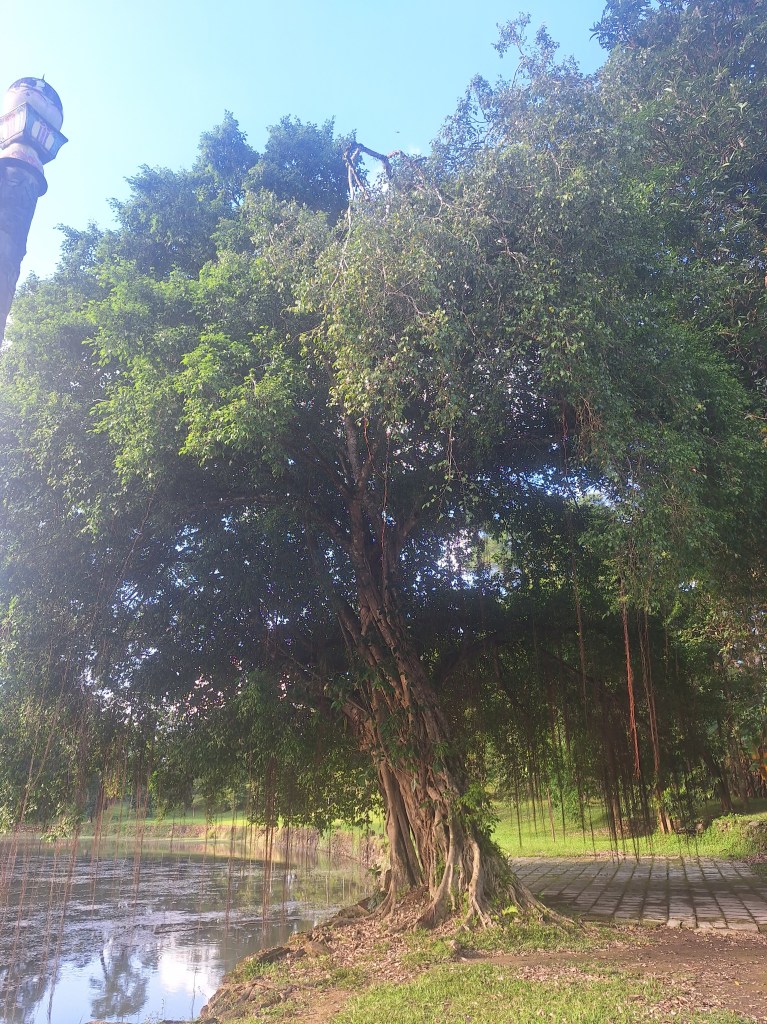
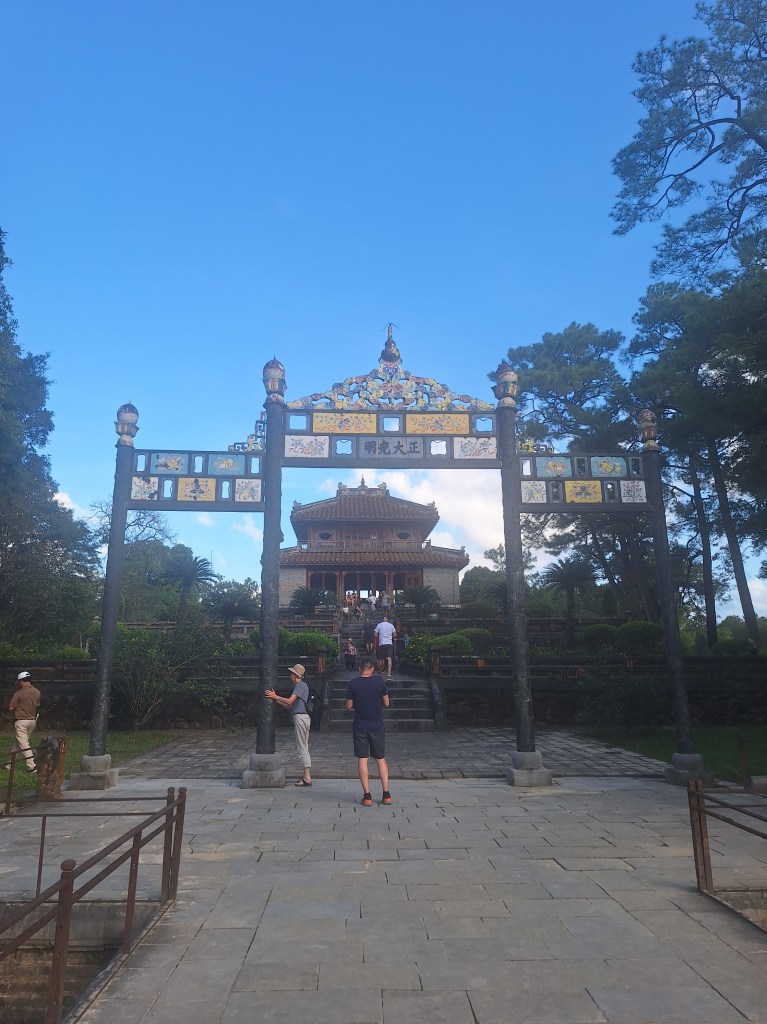
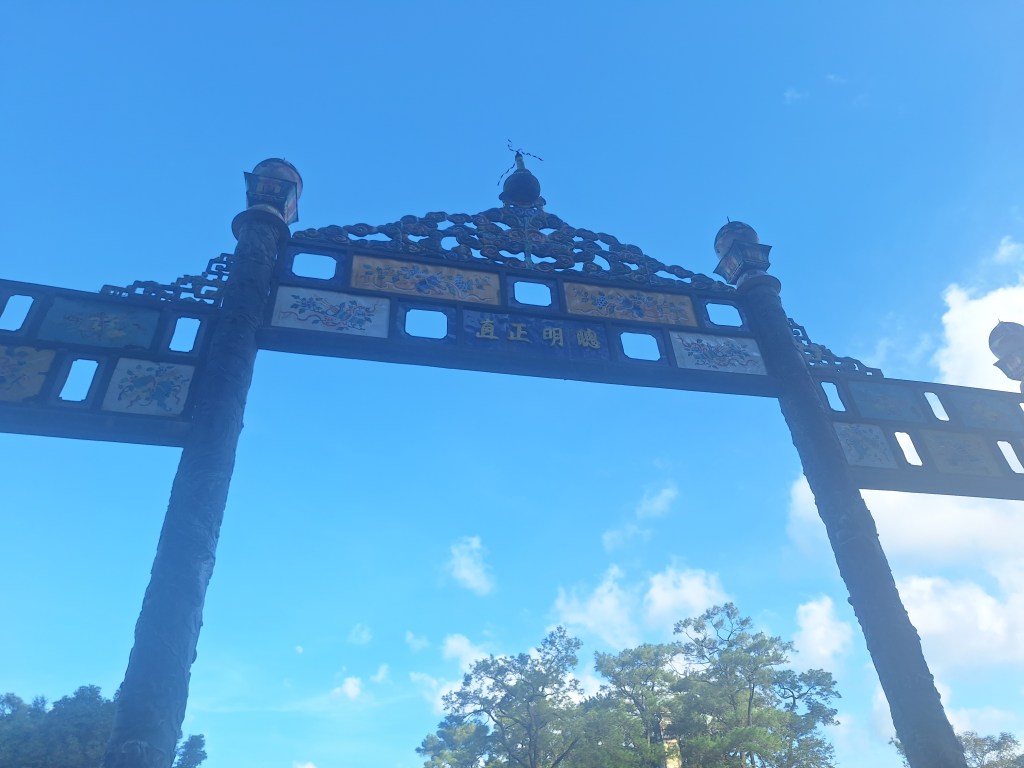
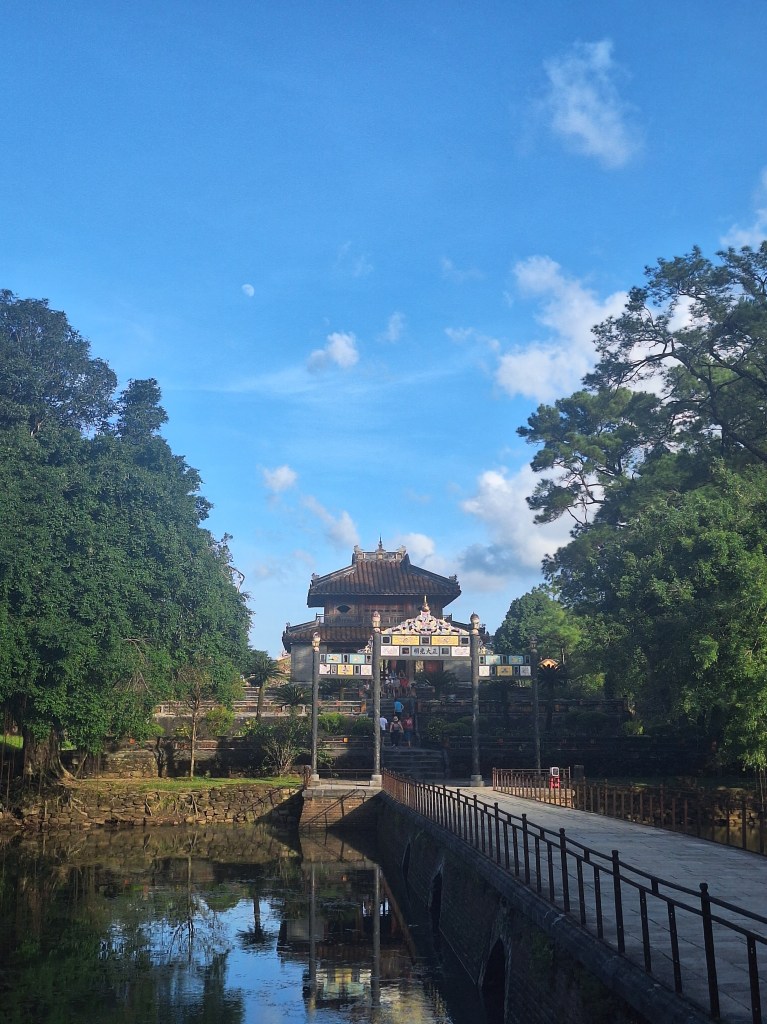
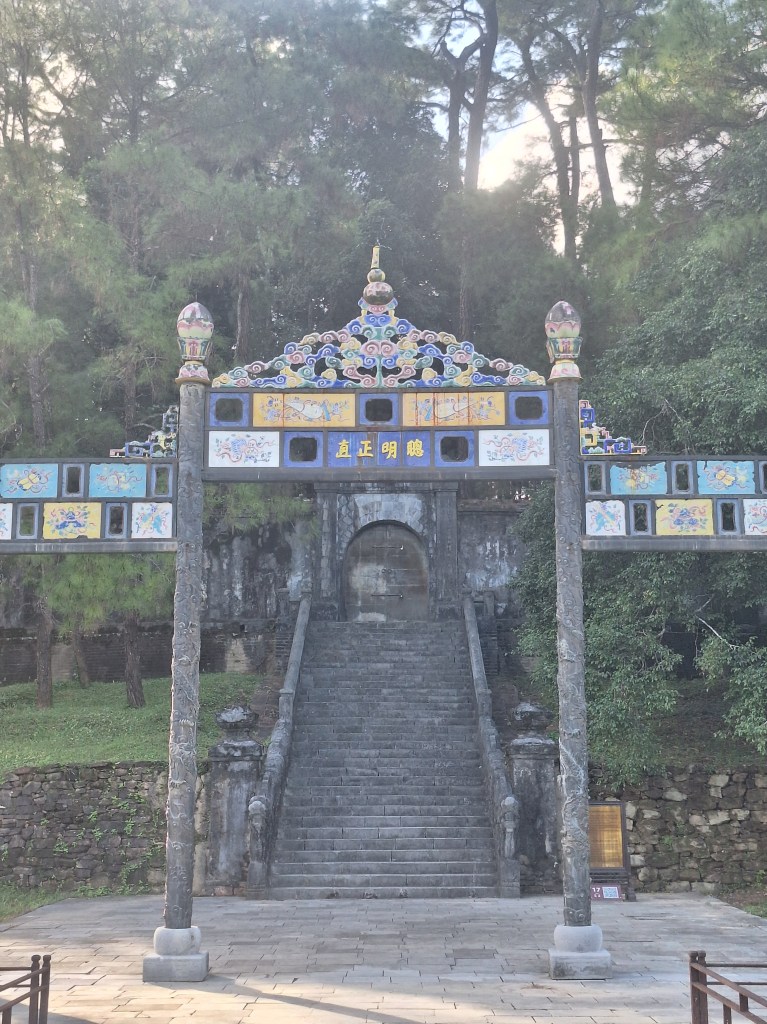
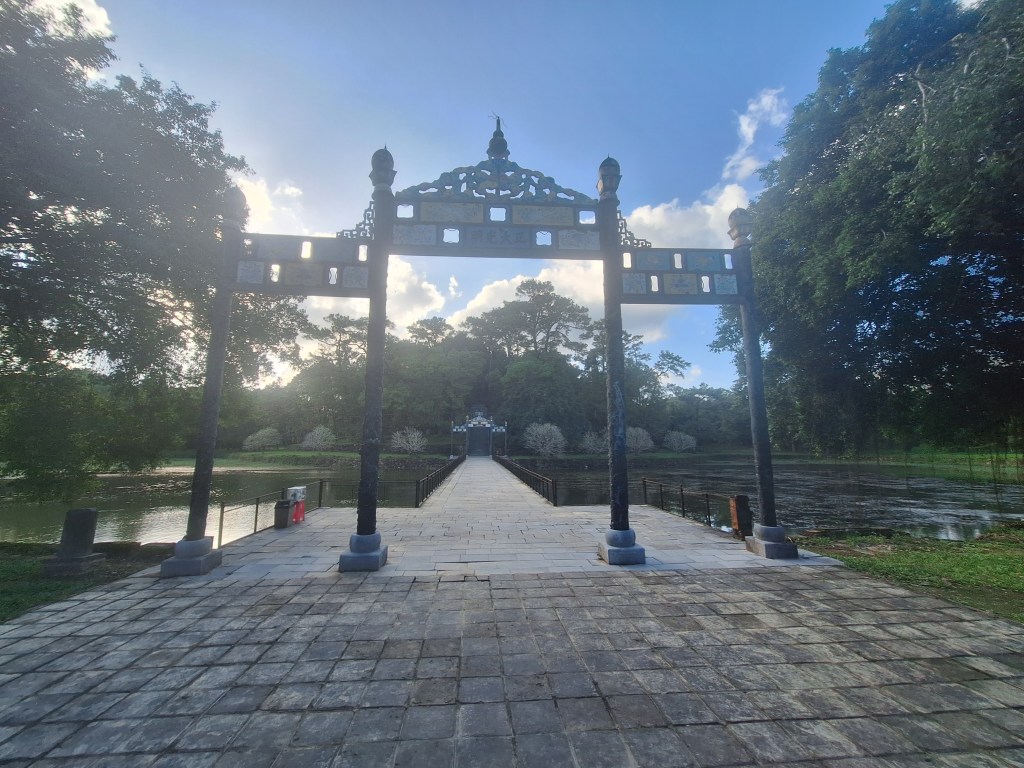
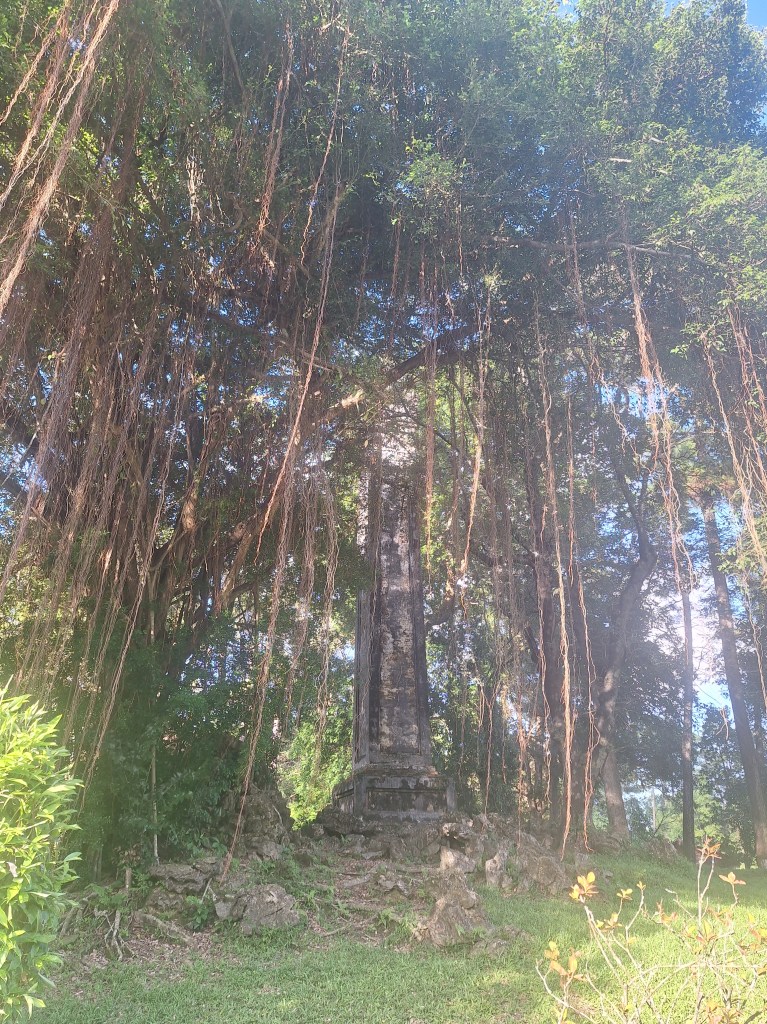
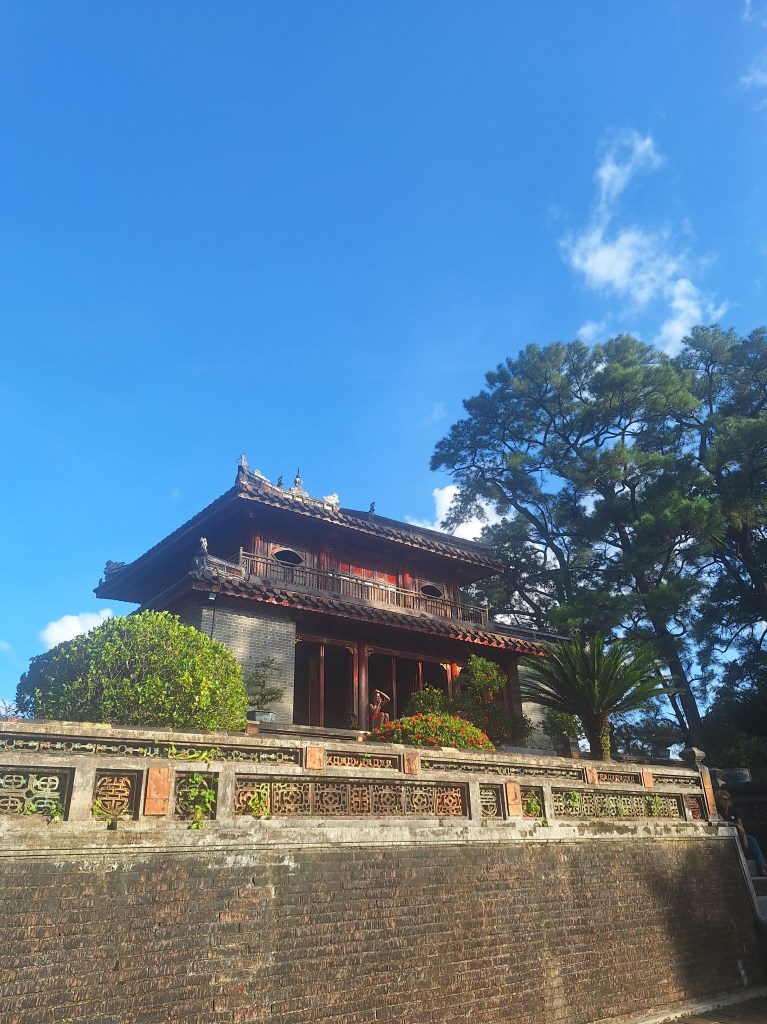
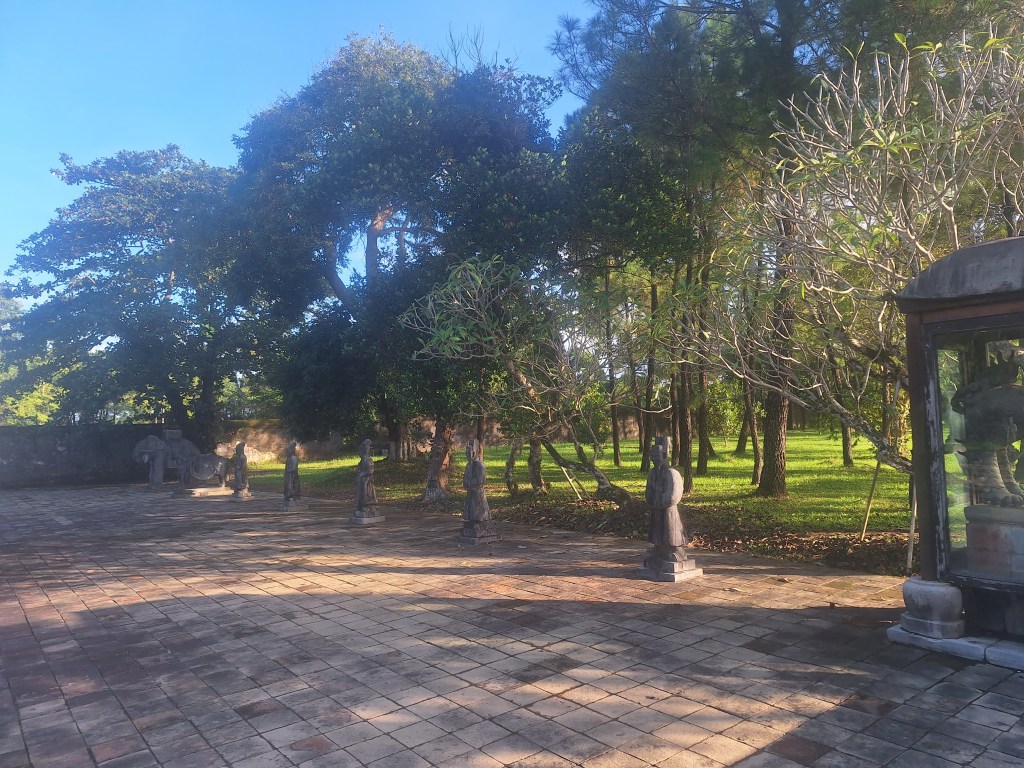
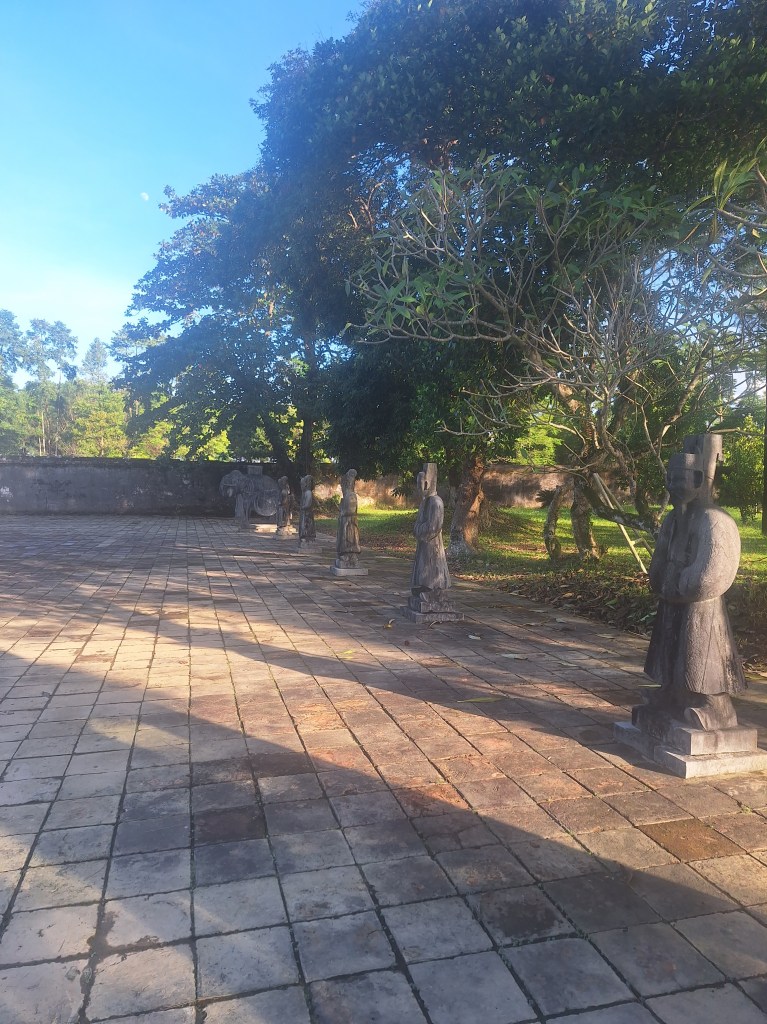
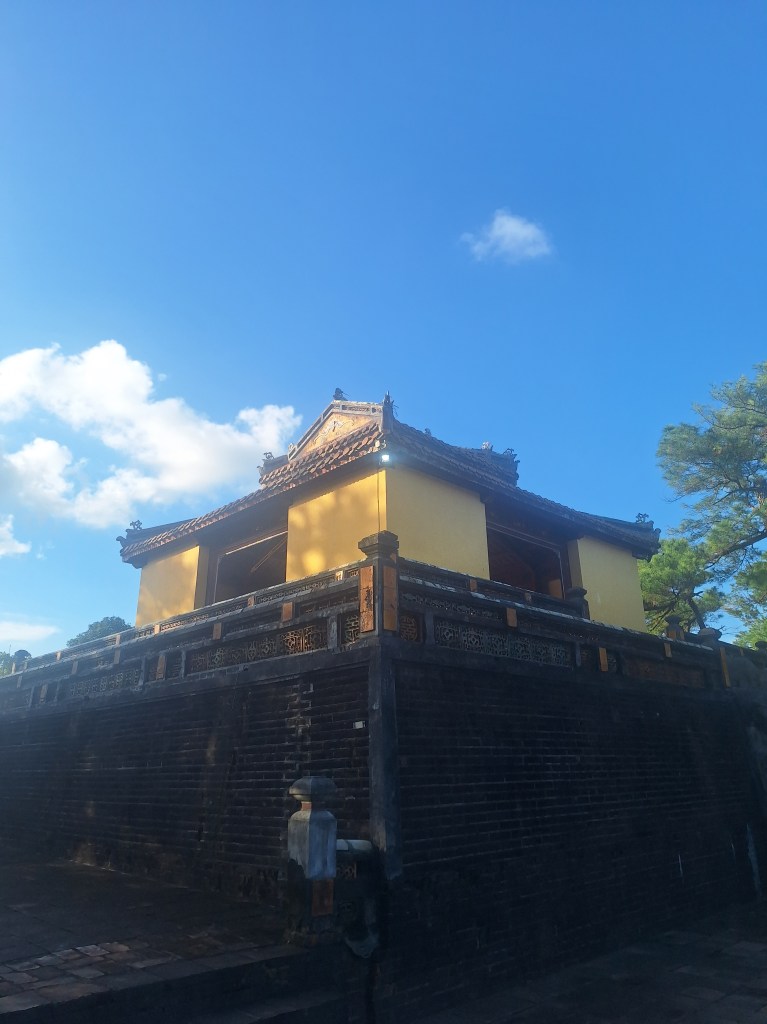
Khai Dinh was the twelfth Emperor of the Nguyễn dynasty. He wasn’t very popular due to how closely he worked with the French, and therefore, to ensure he had a tomb, he started construction before his death. The layout before you get to the Tomb is broken into 5 areas to represent the 5 elements.





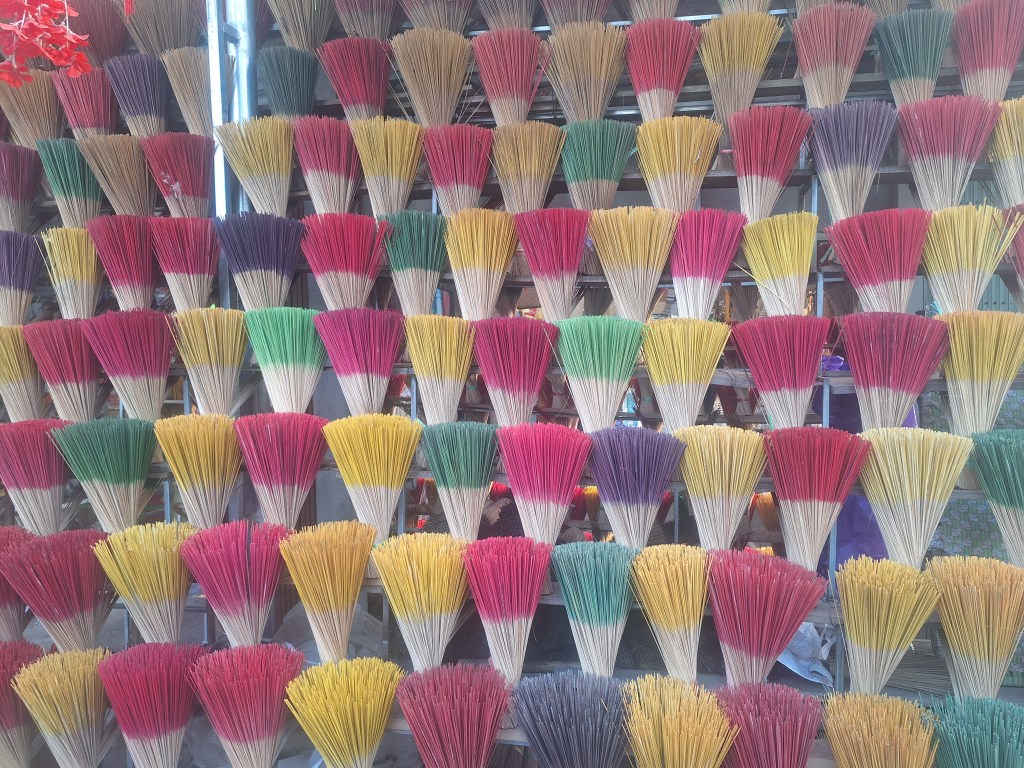
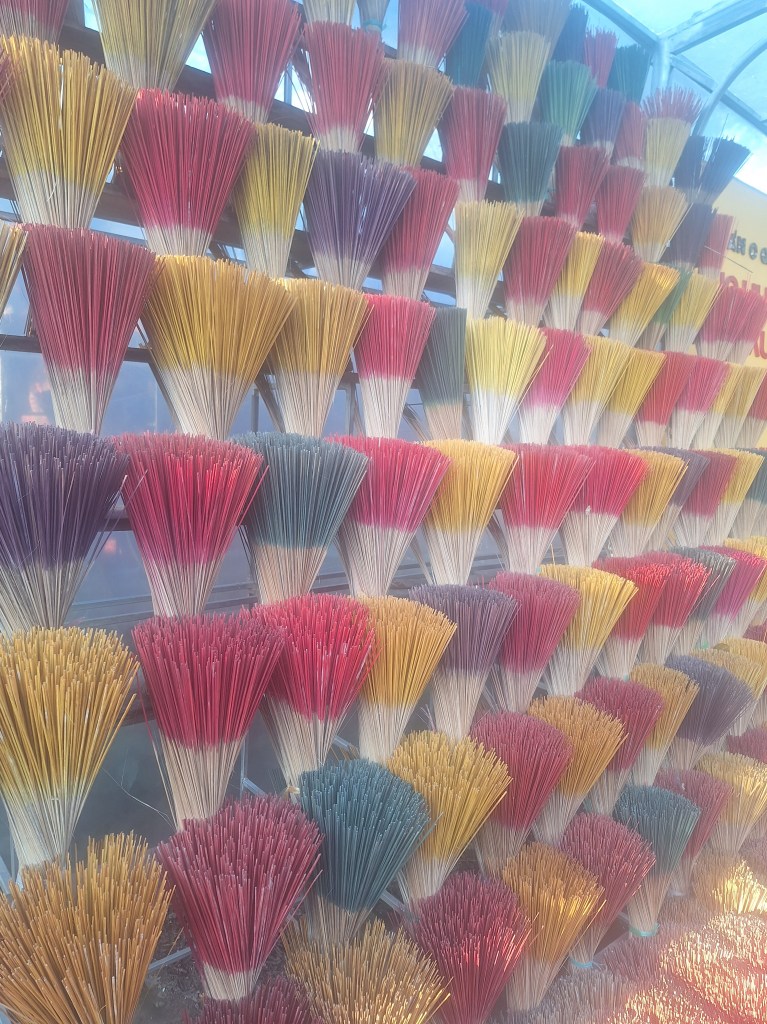
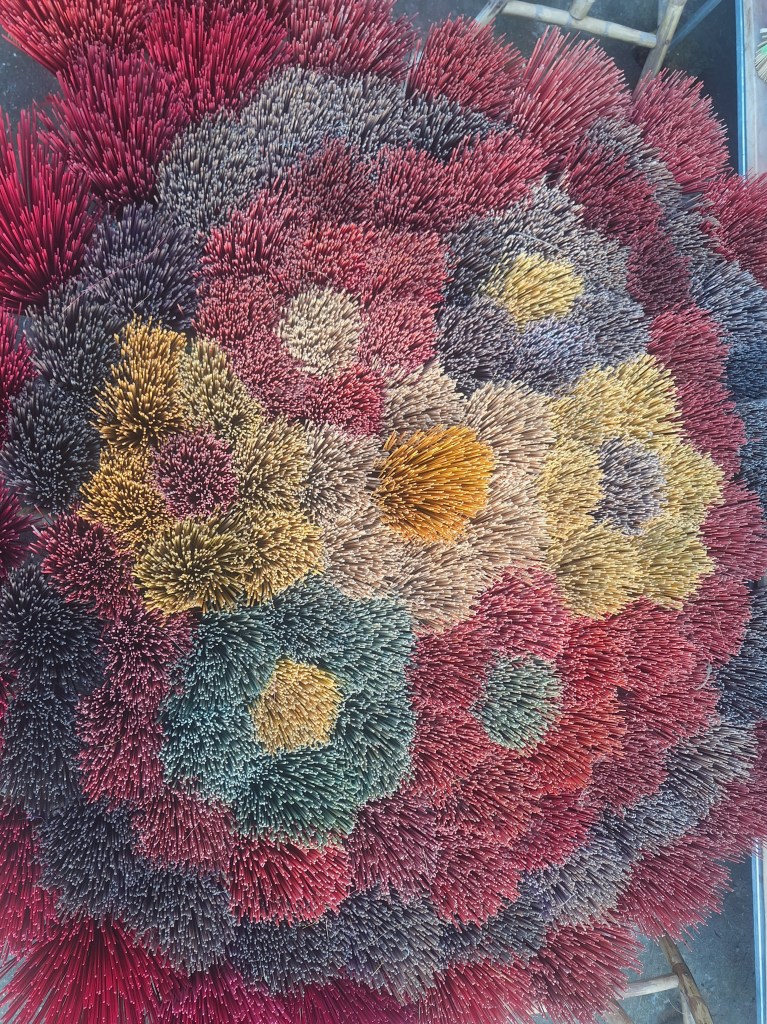
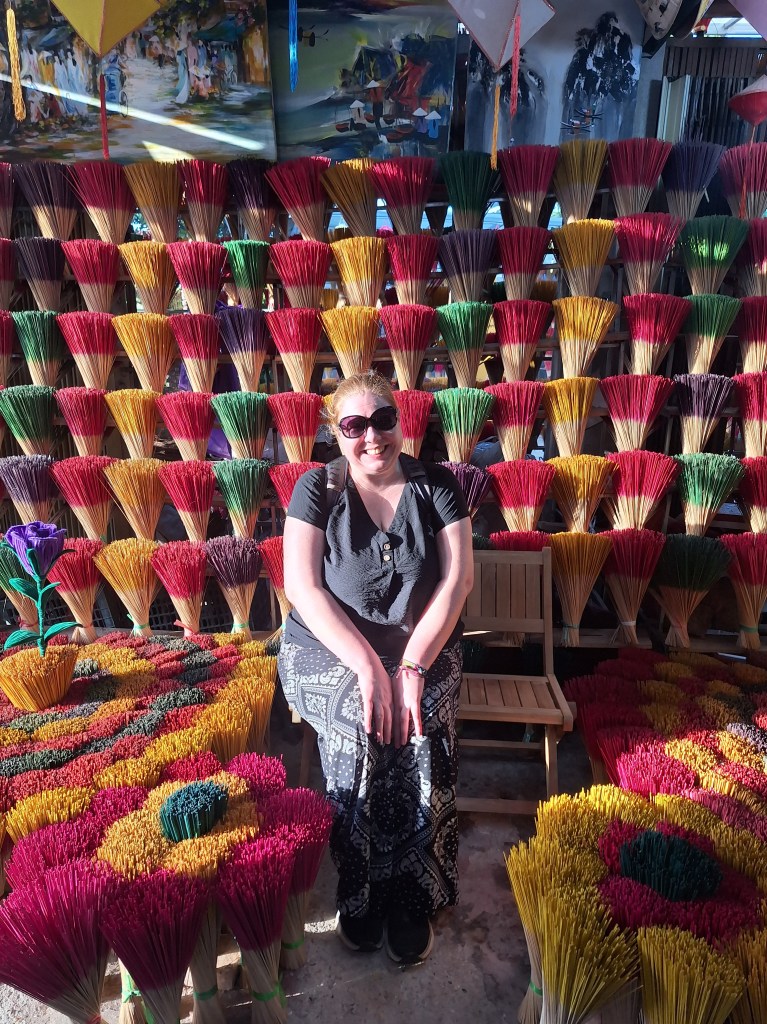
Thuy Xuan incense village
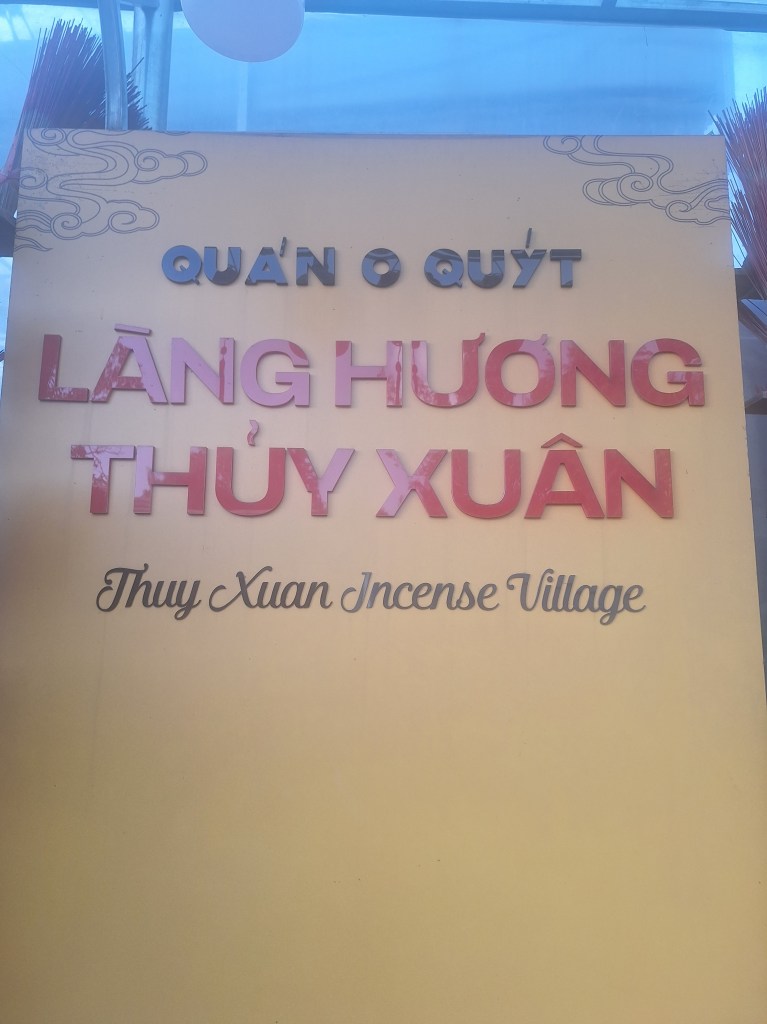
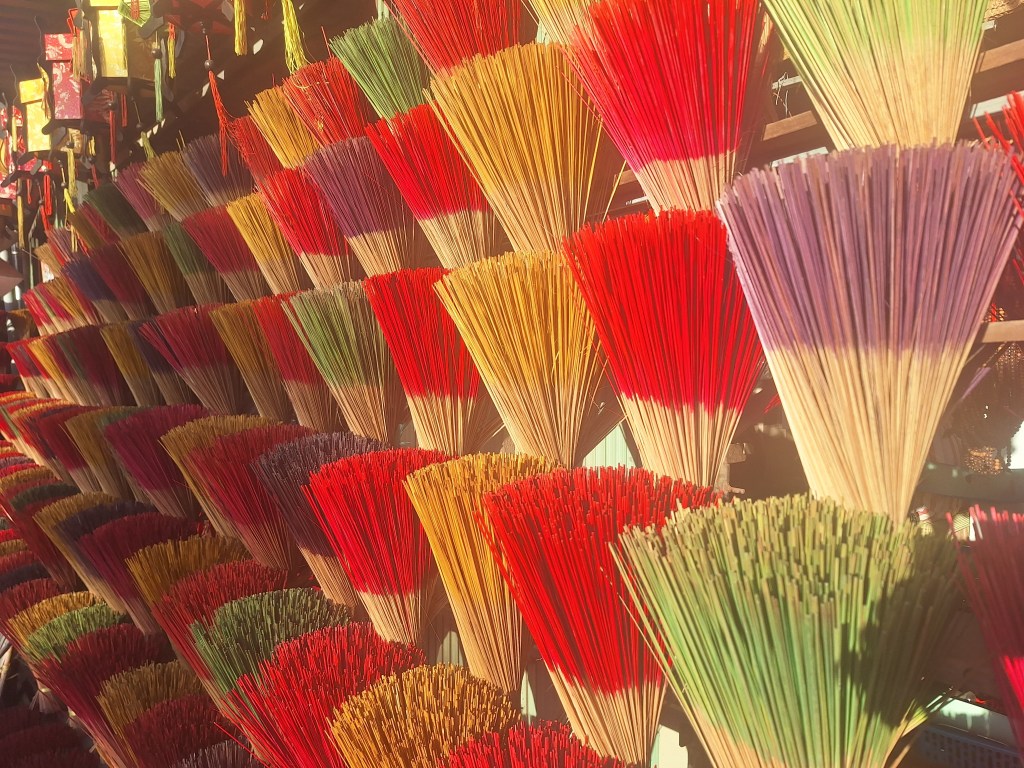
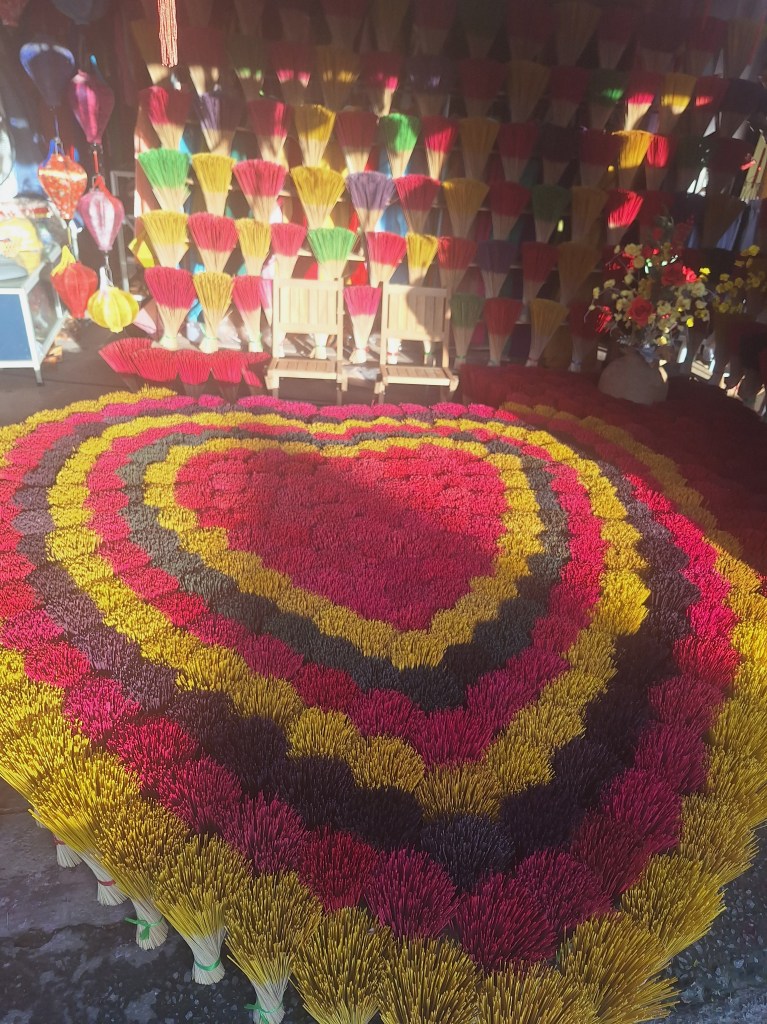
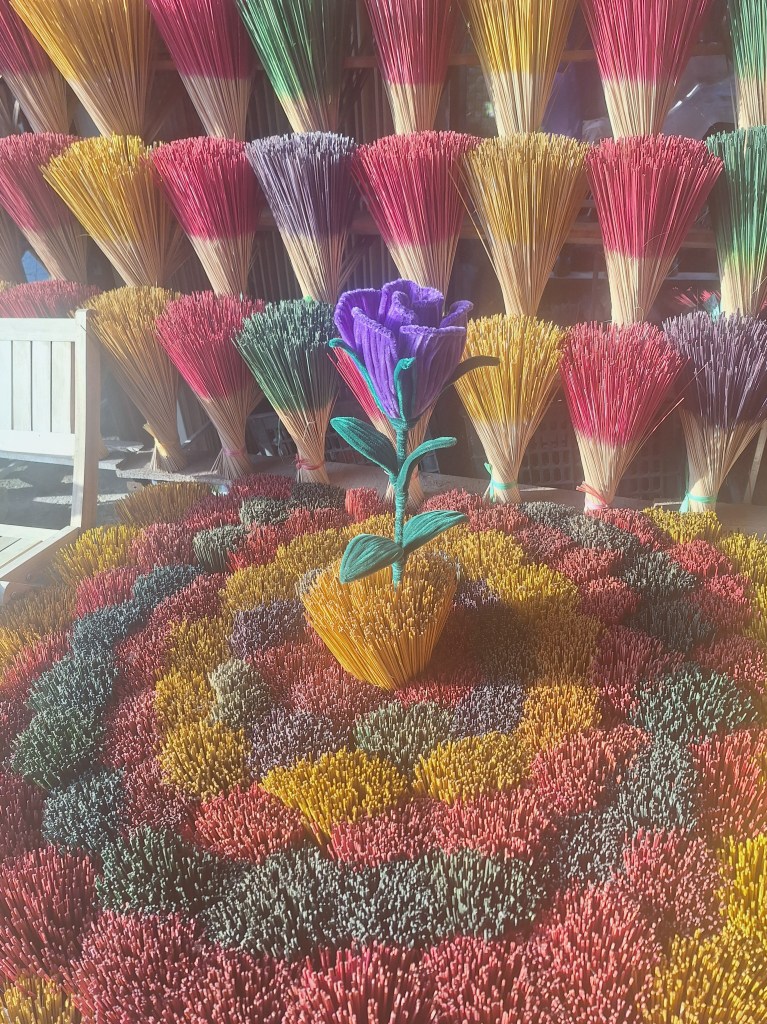
Unlike the incense village I visited in Ninh Binh, this one was very commercial and touristy. Some of the incense were faded from being in the sun.


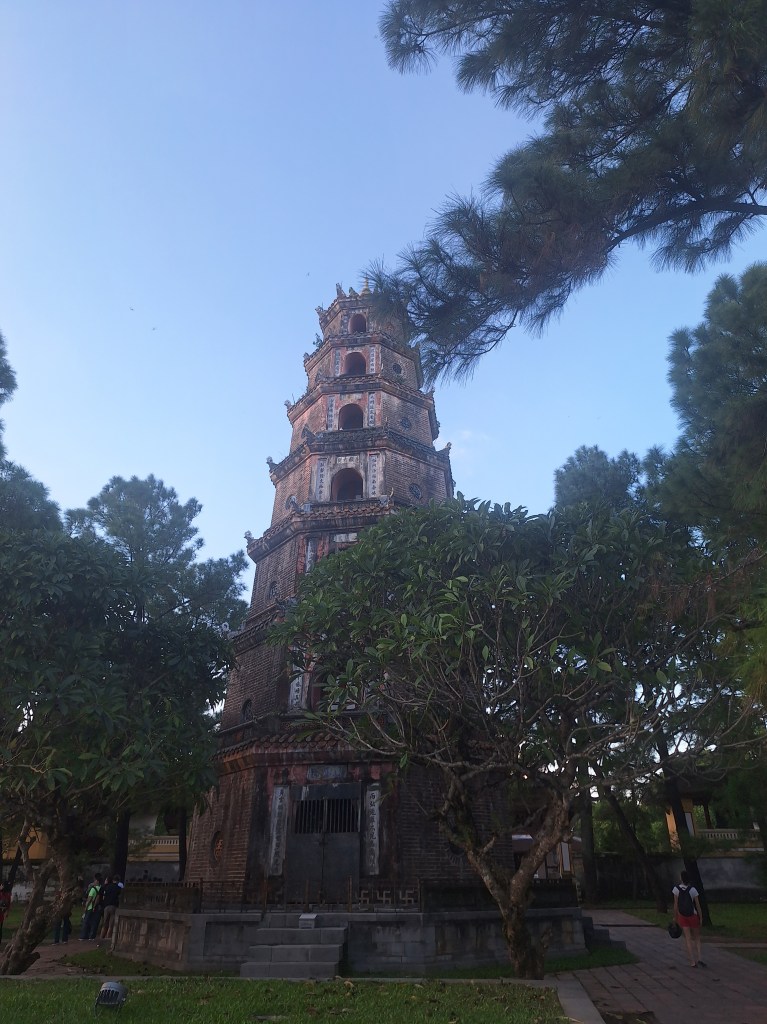
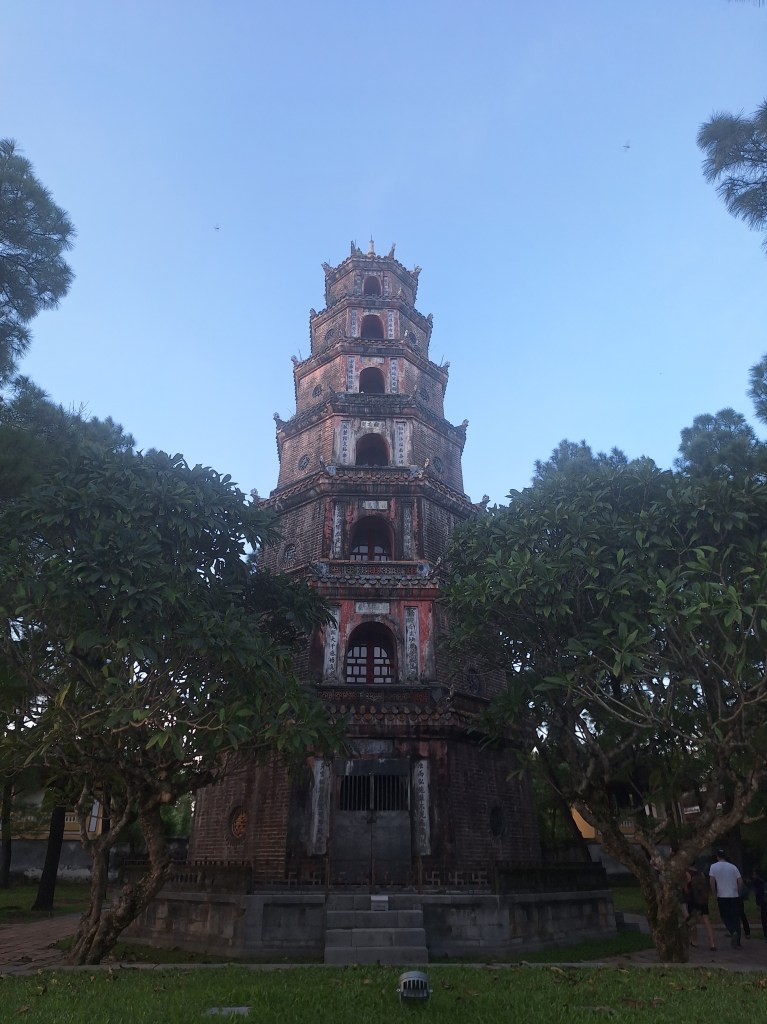
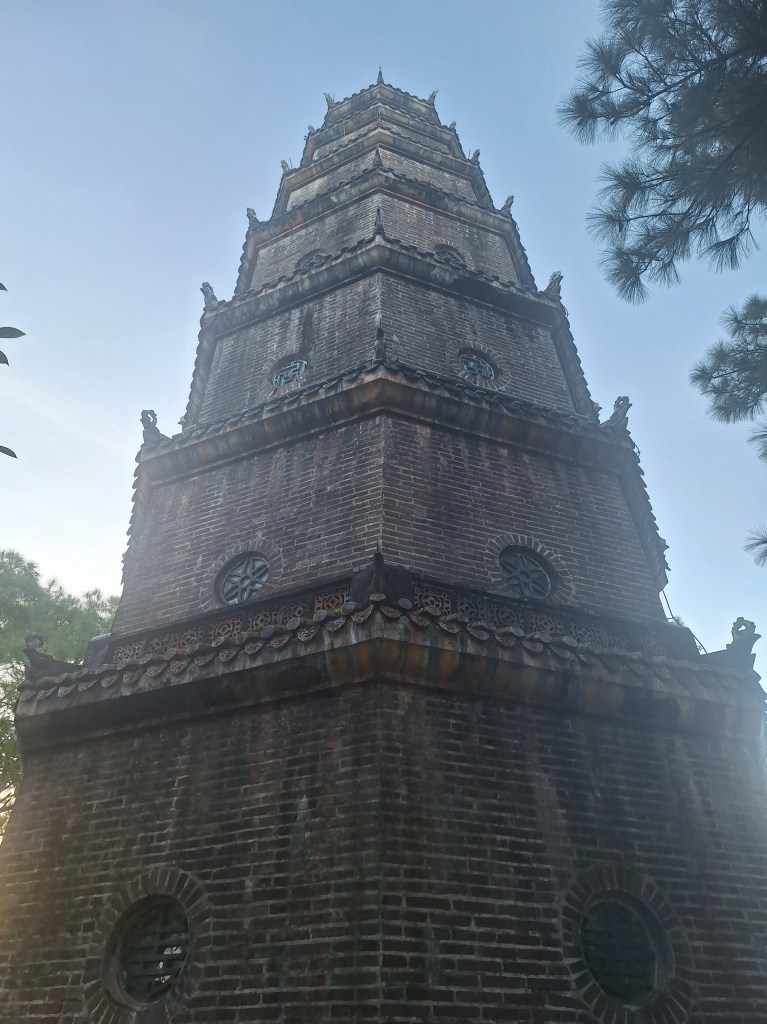
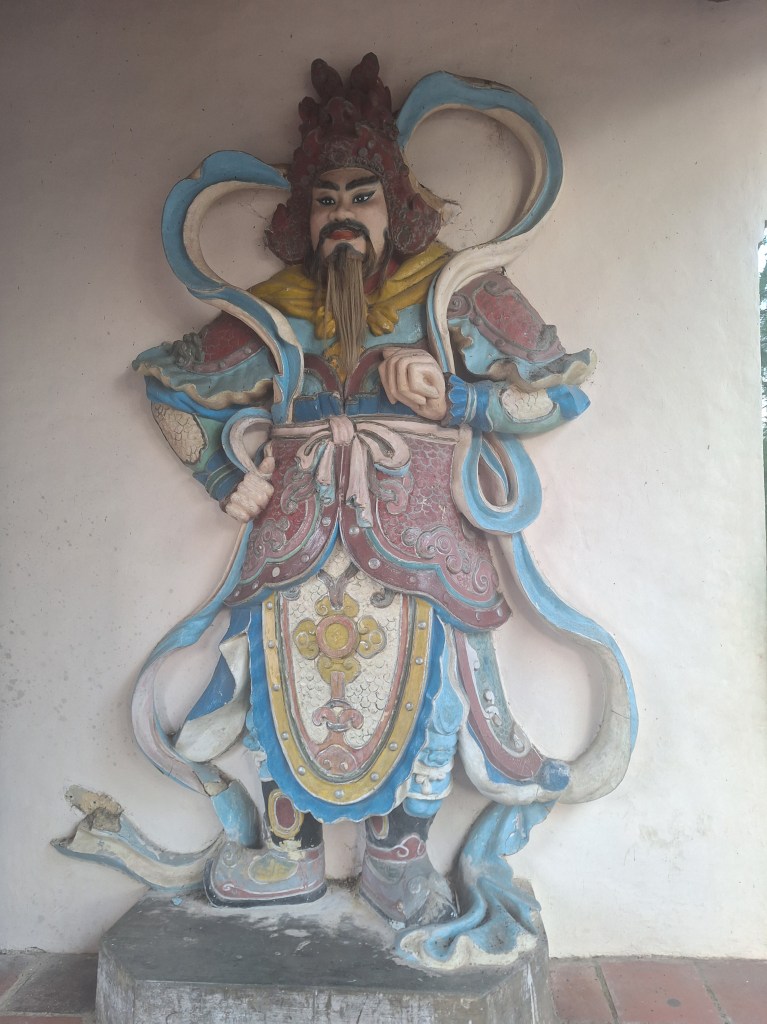
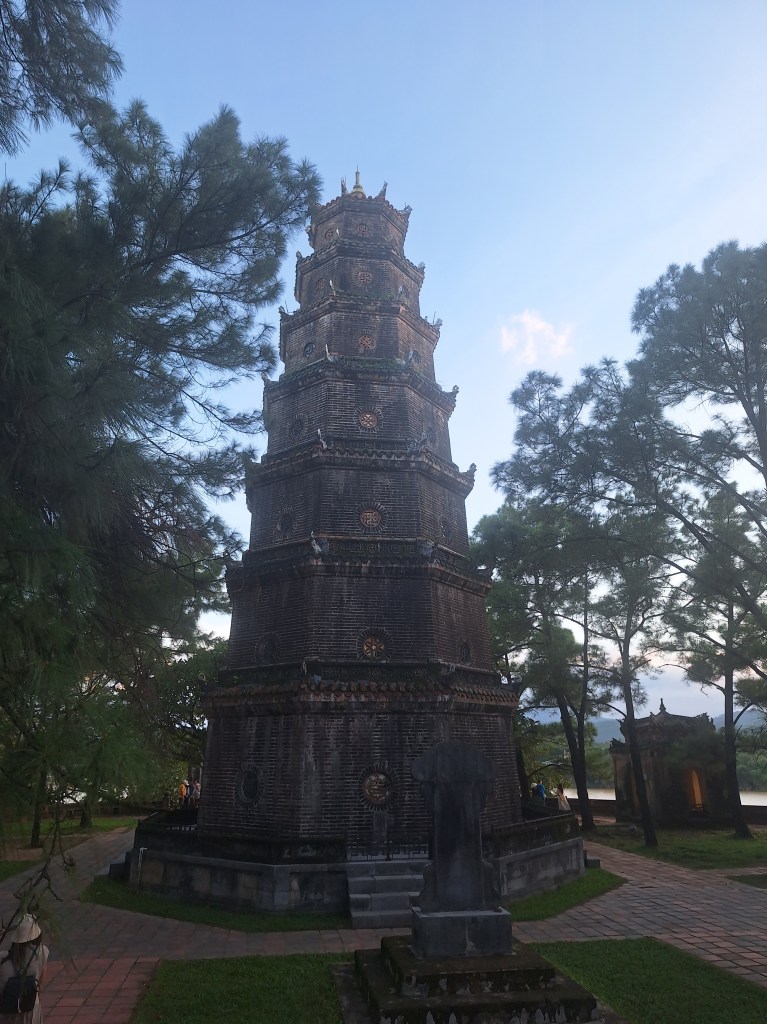
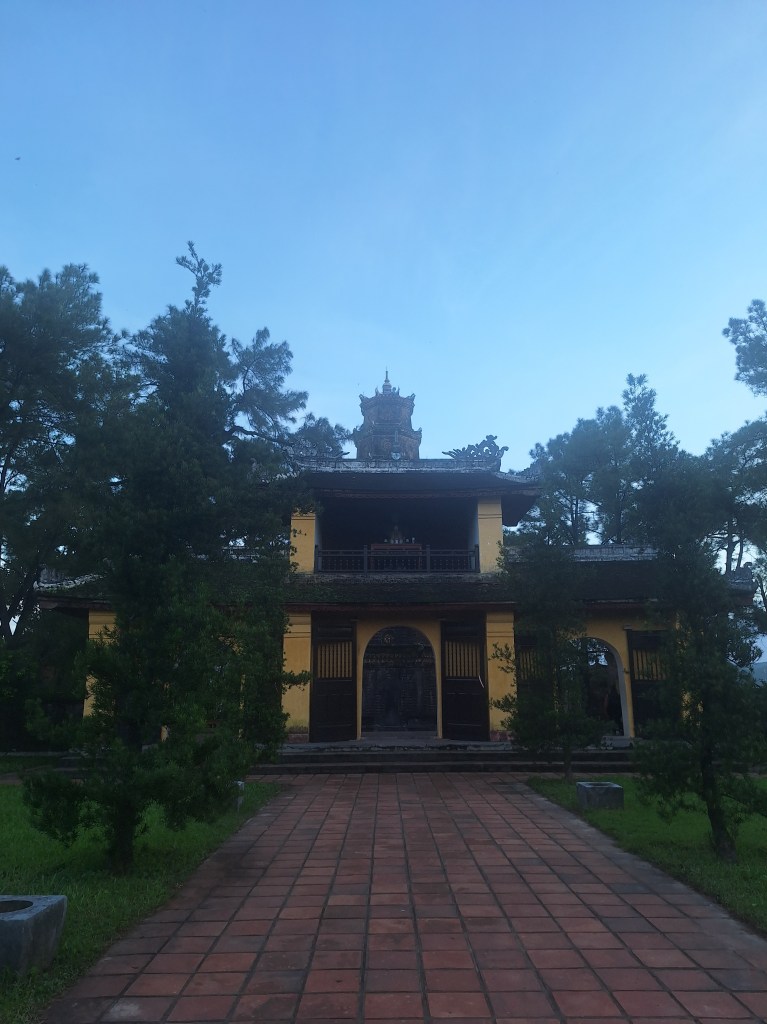
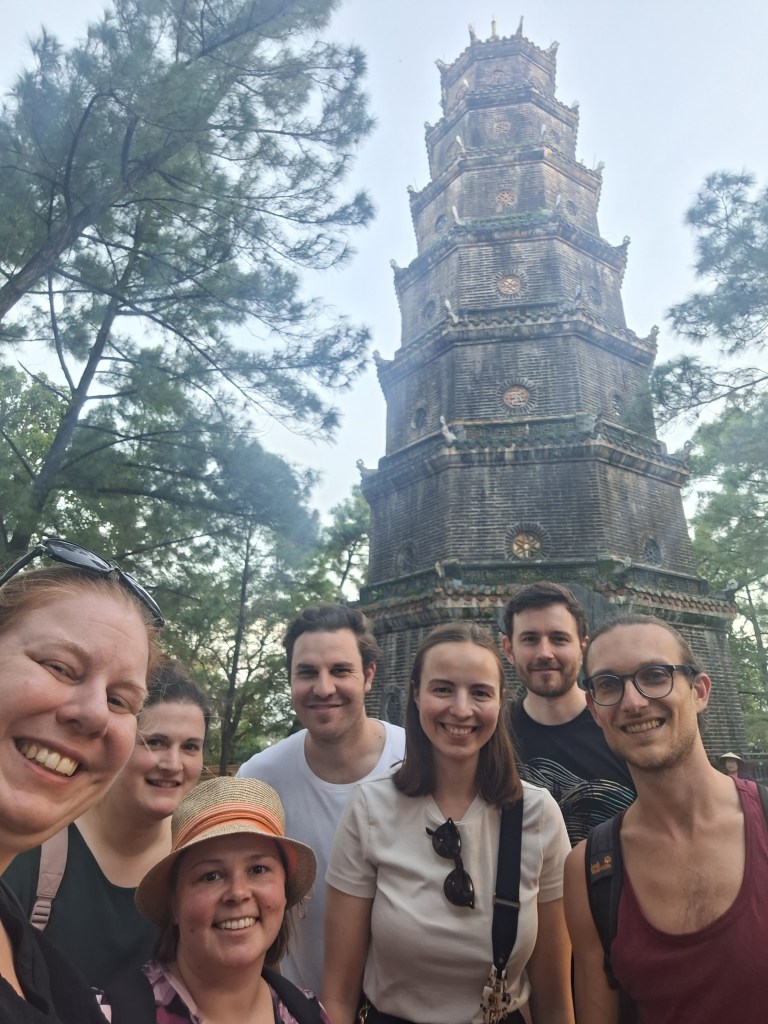
Thien Mu Pagoda
Its iconic seven-story pagoda is regarded as the unofficial symbol of the city, and the temple has often been the subject of folk rhymes about Huế.

In the evening we went to a restaurant and had a 5 course set menu of Vietnamese cuisine.

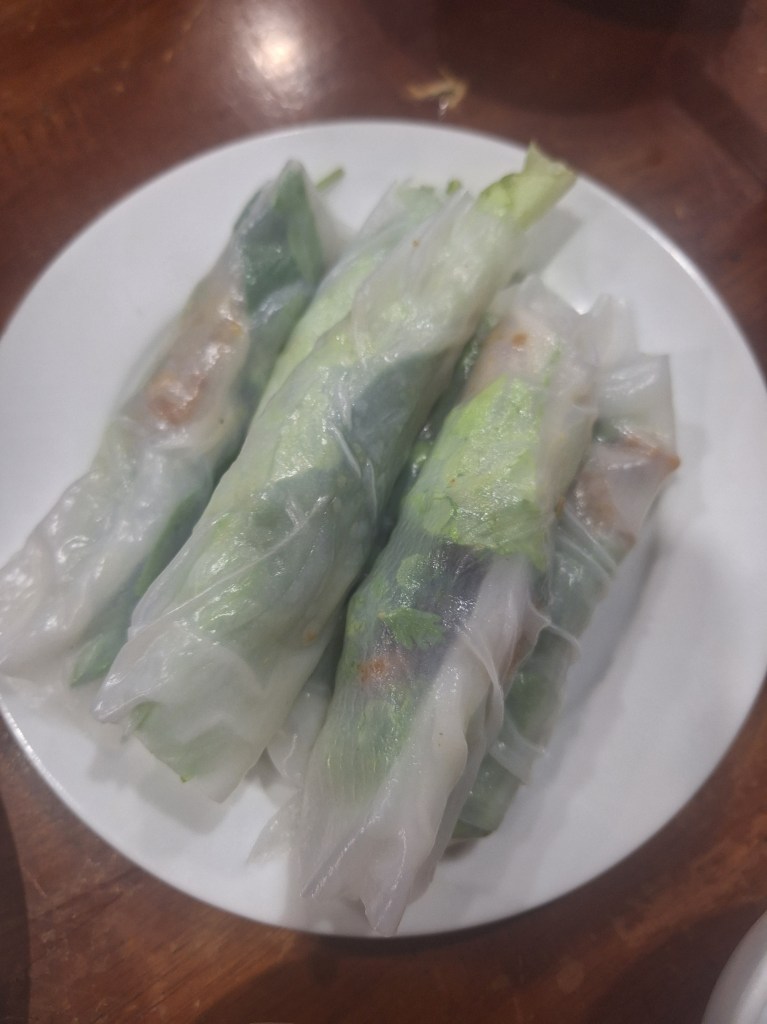
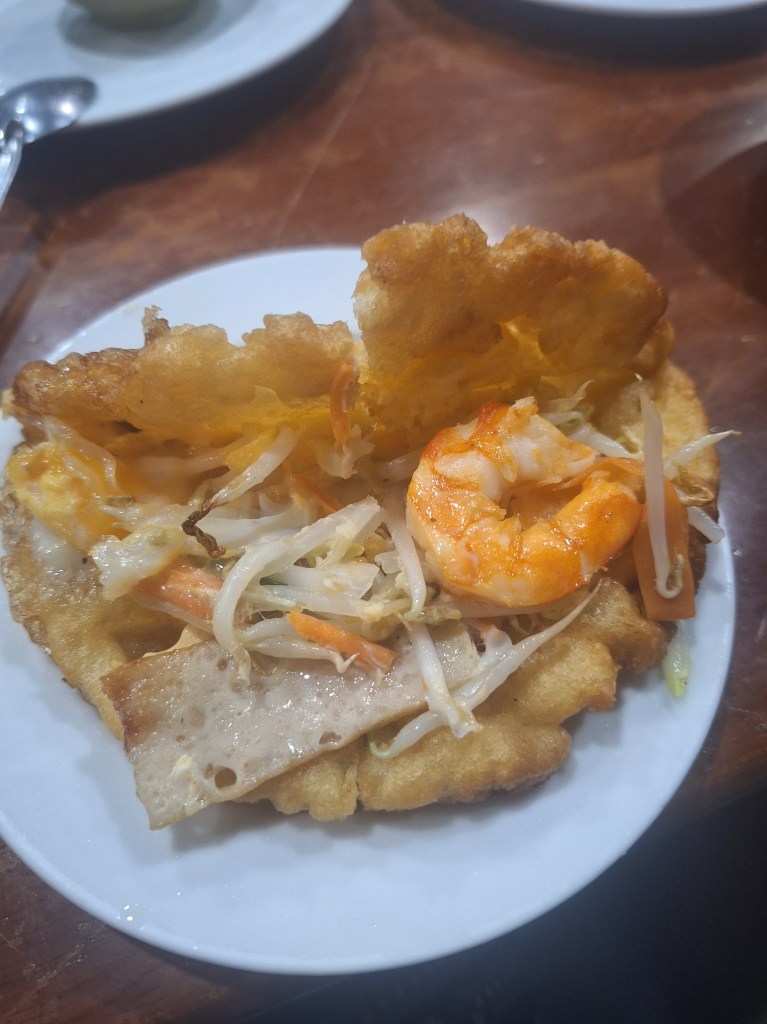
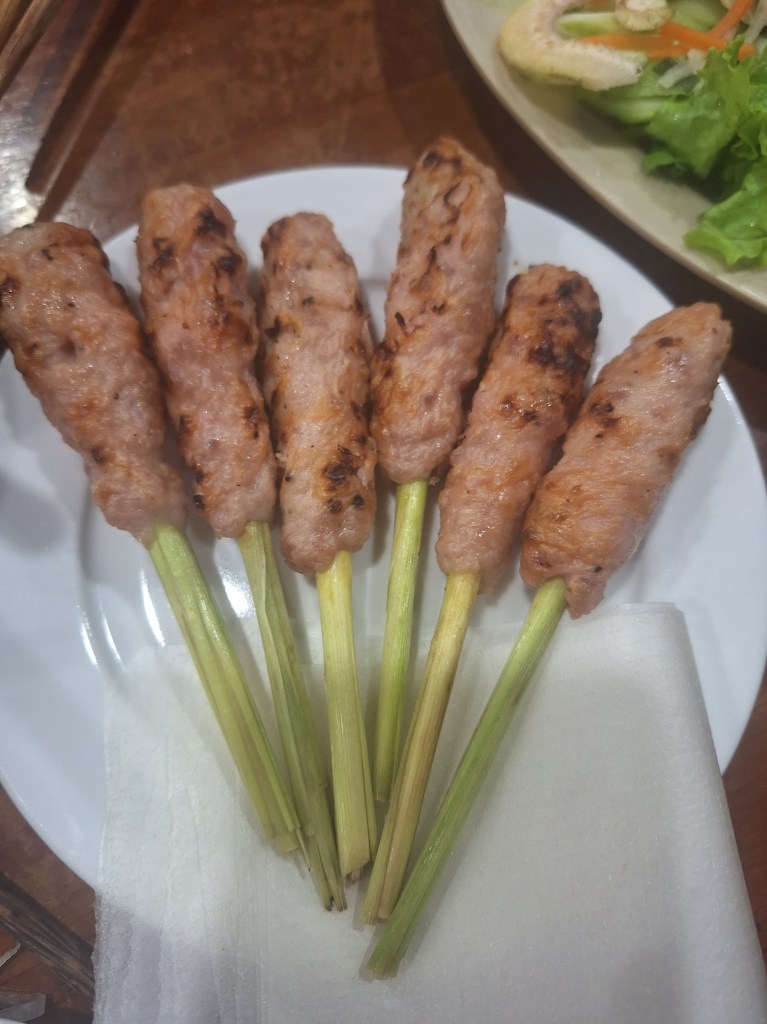
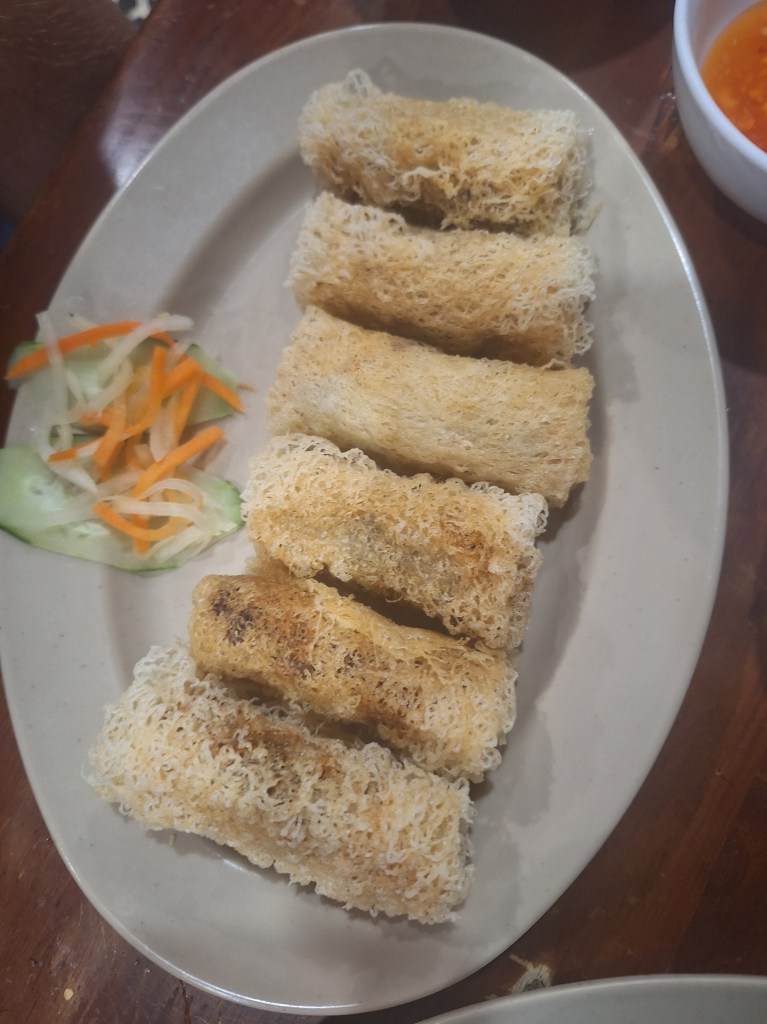
- Bánh bèo is made from a combination of rice flour and tapioca flour. The dish ordinates from Hue.
- Bánh Khoái is a pancake served with shrimps, vegetables, and ham.
- Nem Lui is Hue lemongrass skewers with grilled pork sausage. You wrap the meat, along with vegetables and sauce into a rice paper sheet.
- Chả giò is a fried spring roll but with more crunchy texture.
- Gỏi cuốn is a fresh spring roll.
 Big Ginger Adventures Blog