

While all the rest of the team head off on their Inka trek I was the only Cusco stay.
Started in the morning looking at the Ollantaytambo ruins..
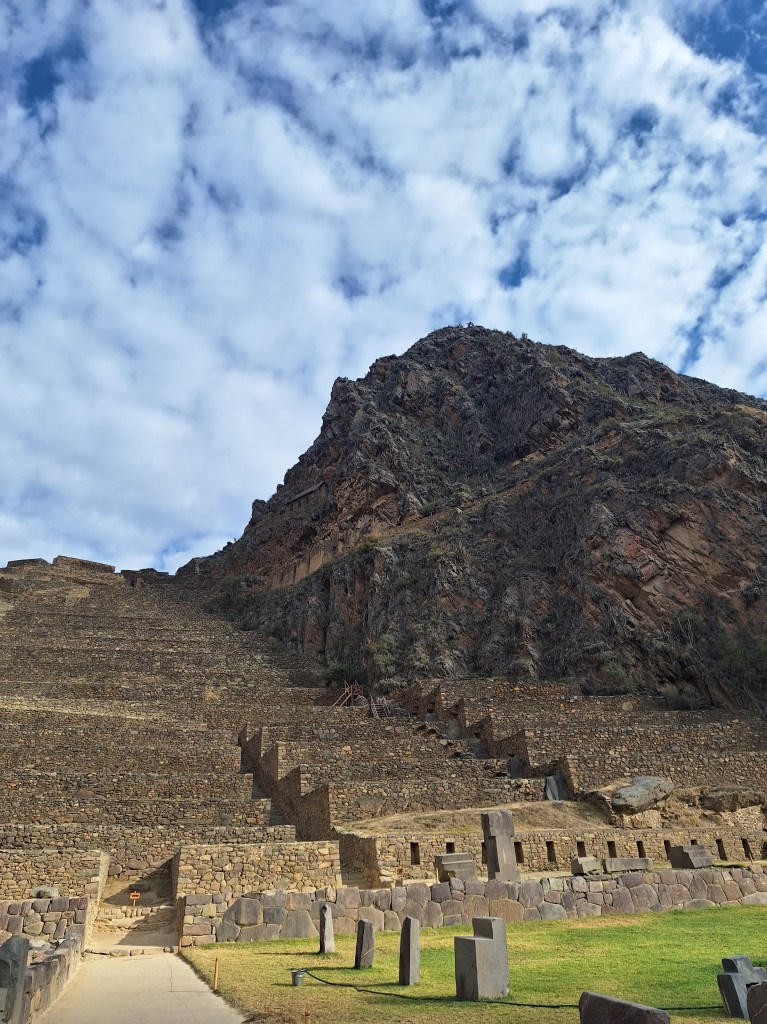
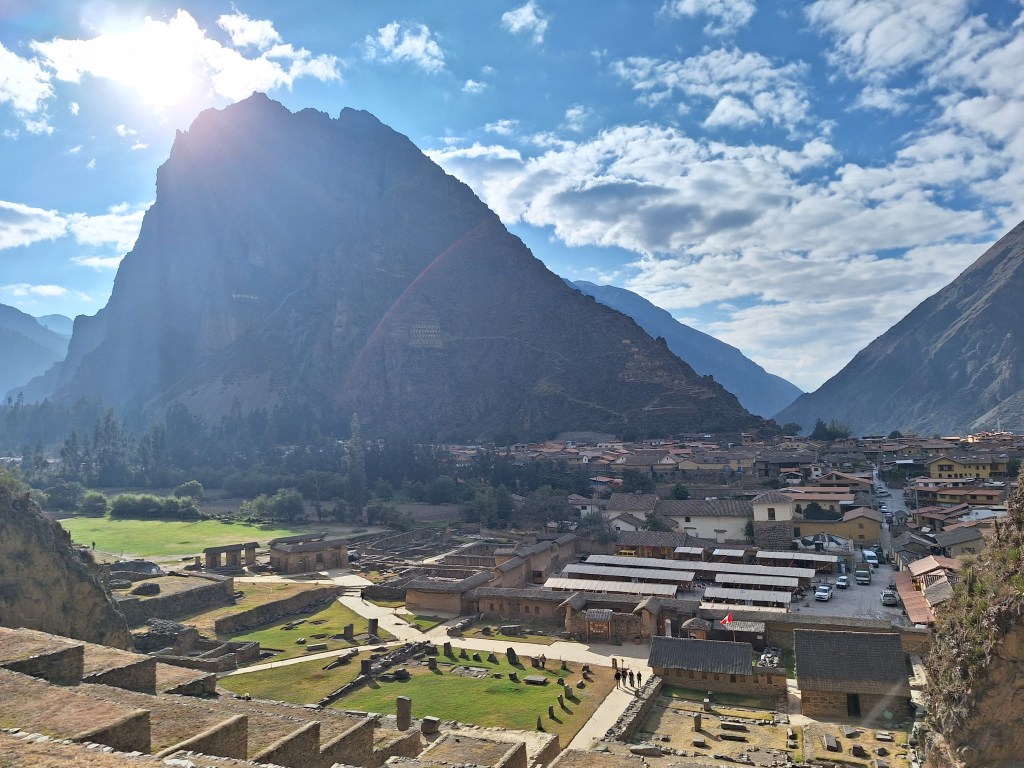
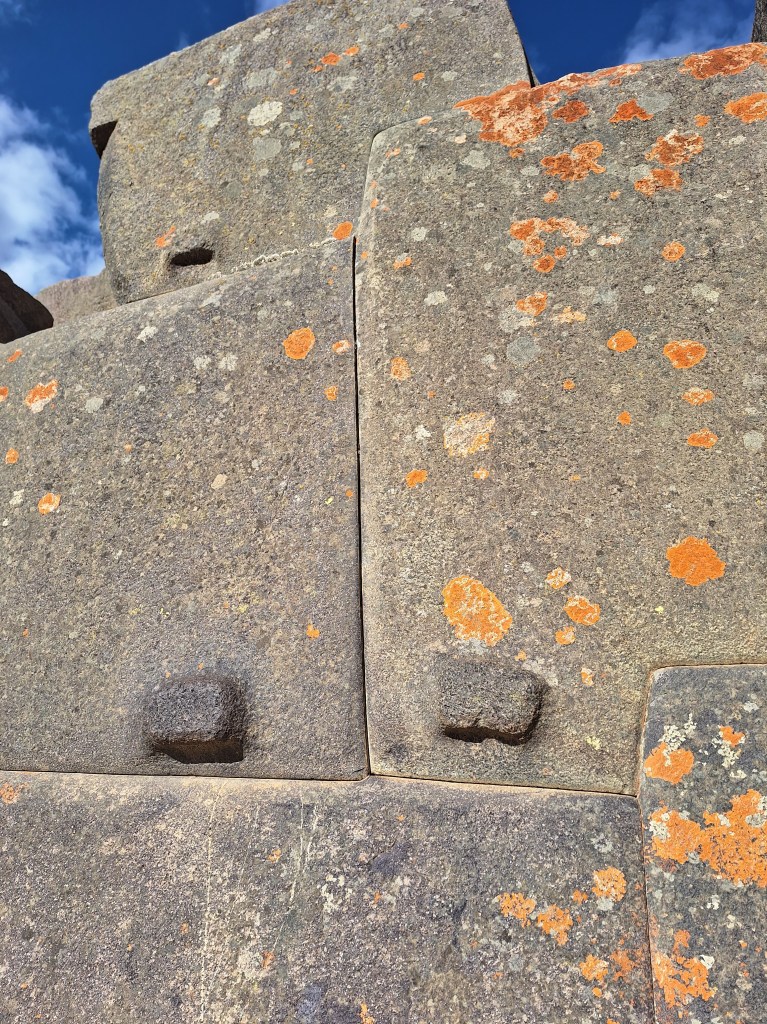
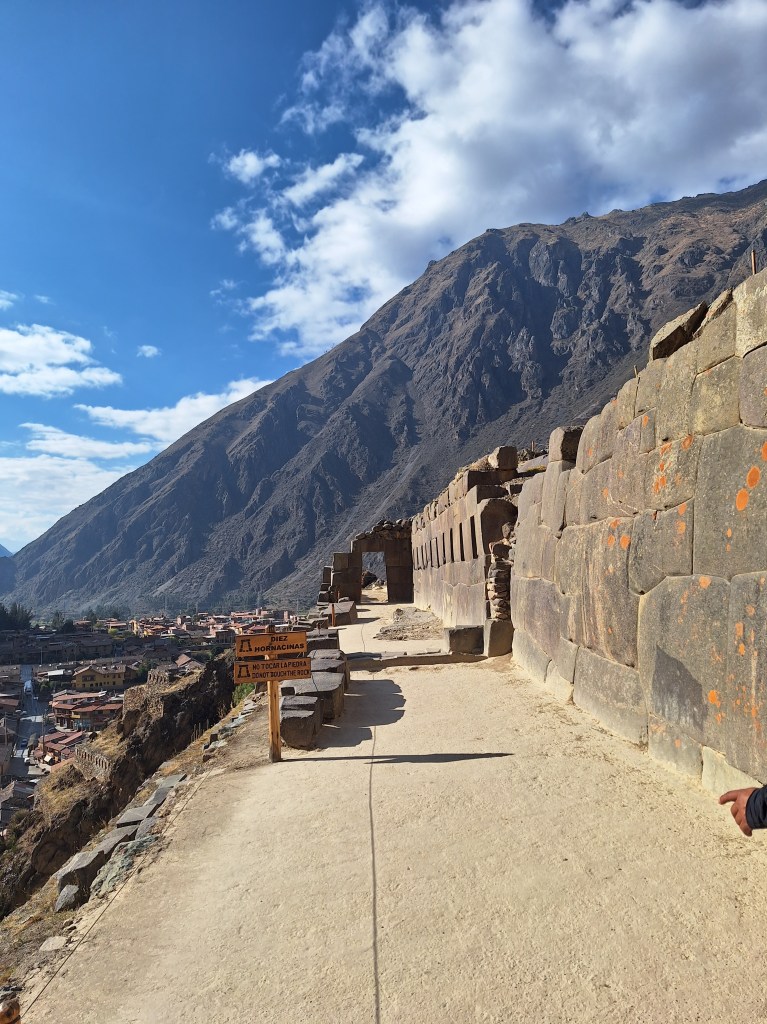
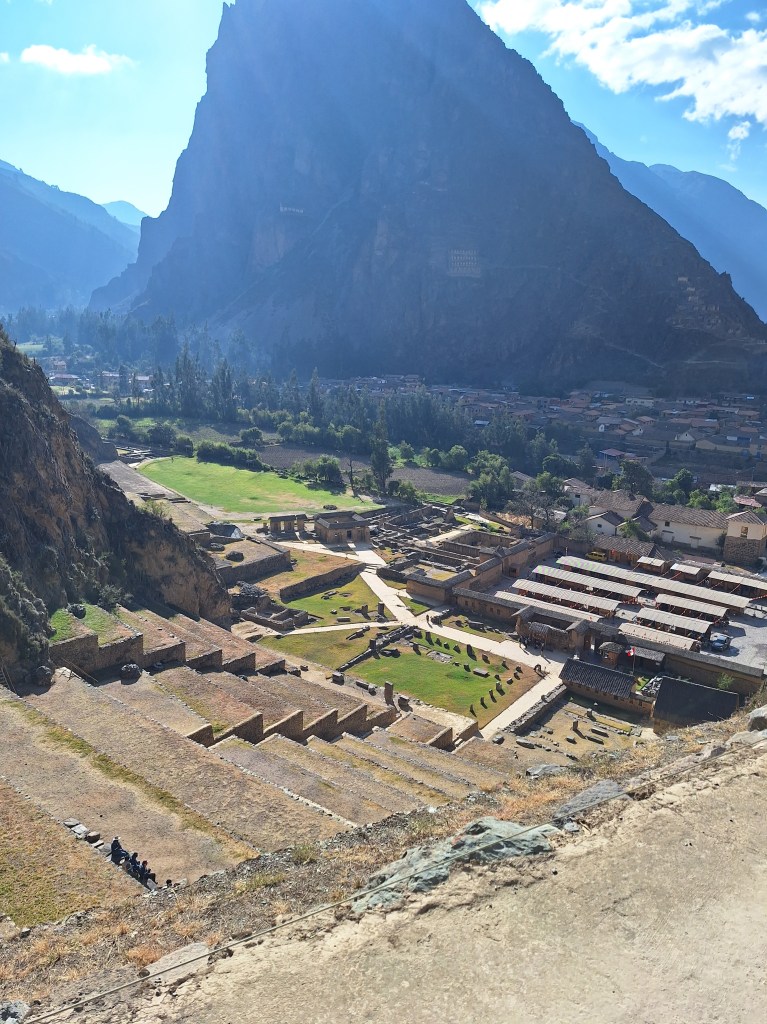
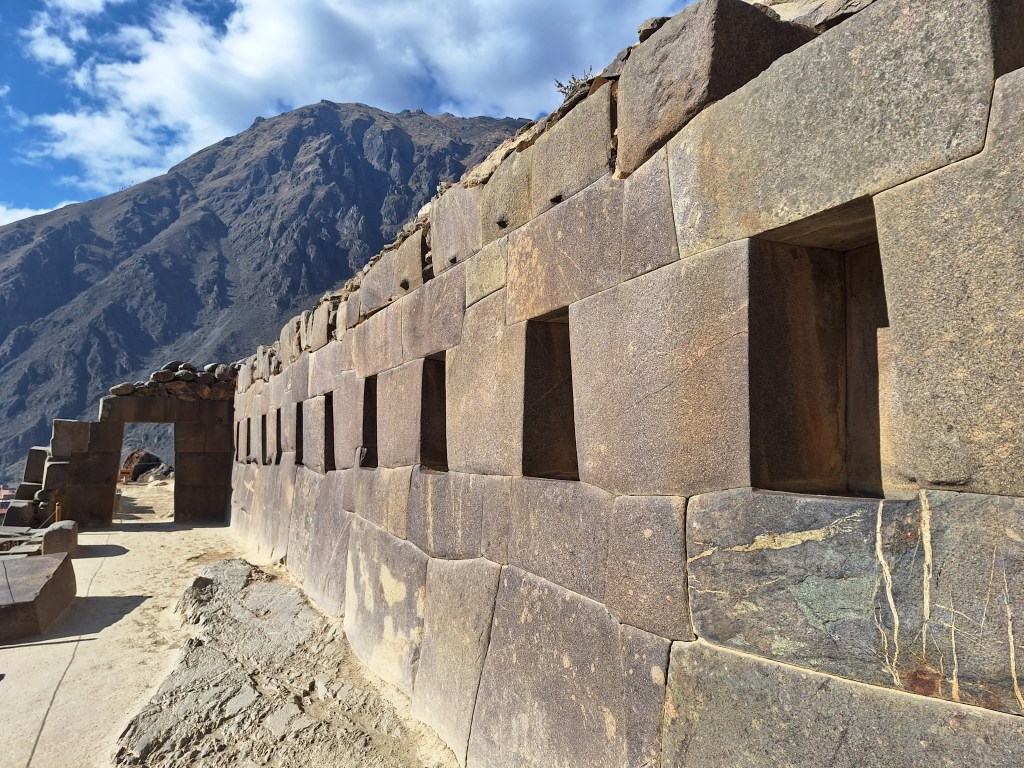
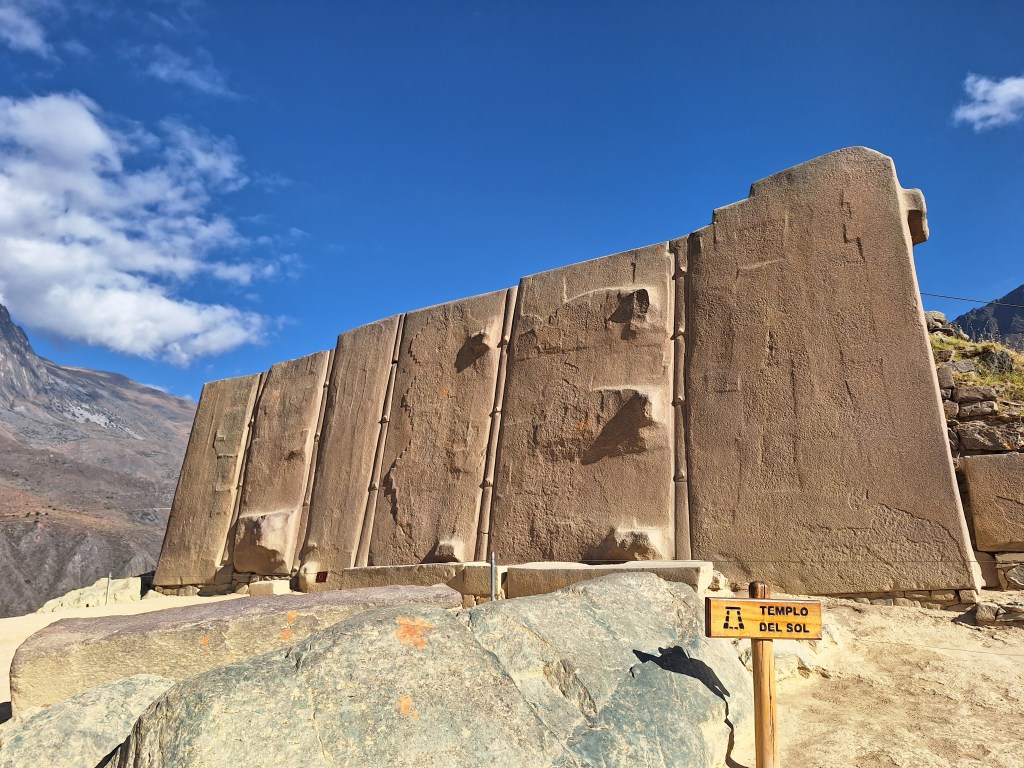
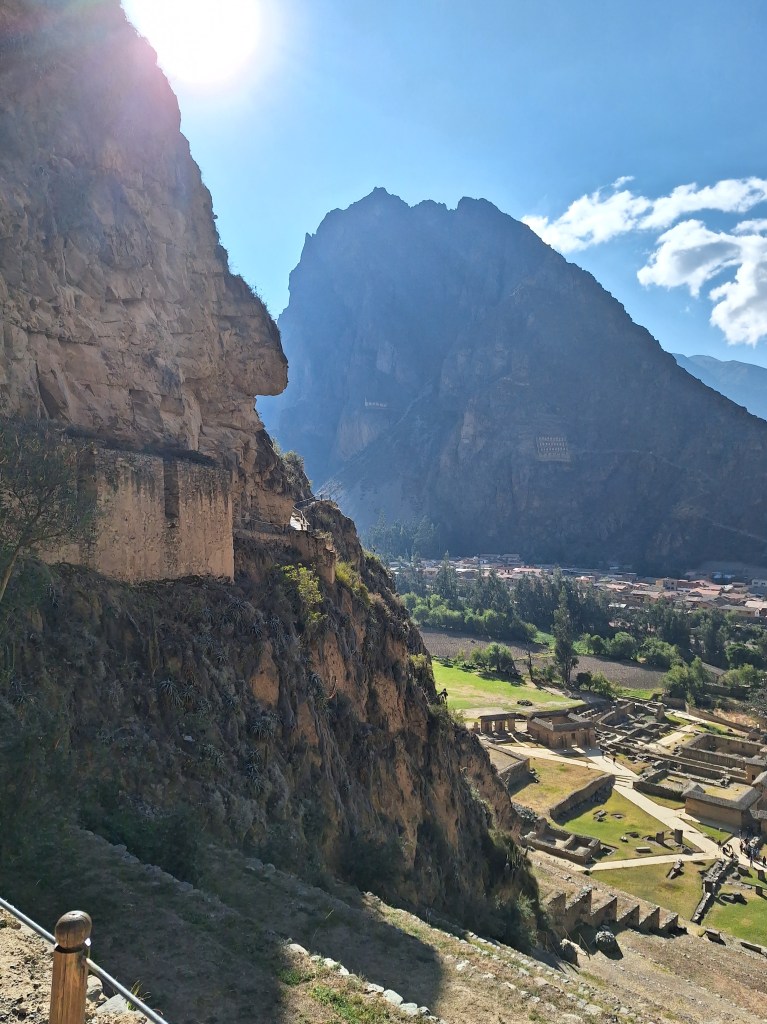
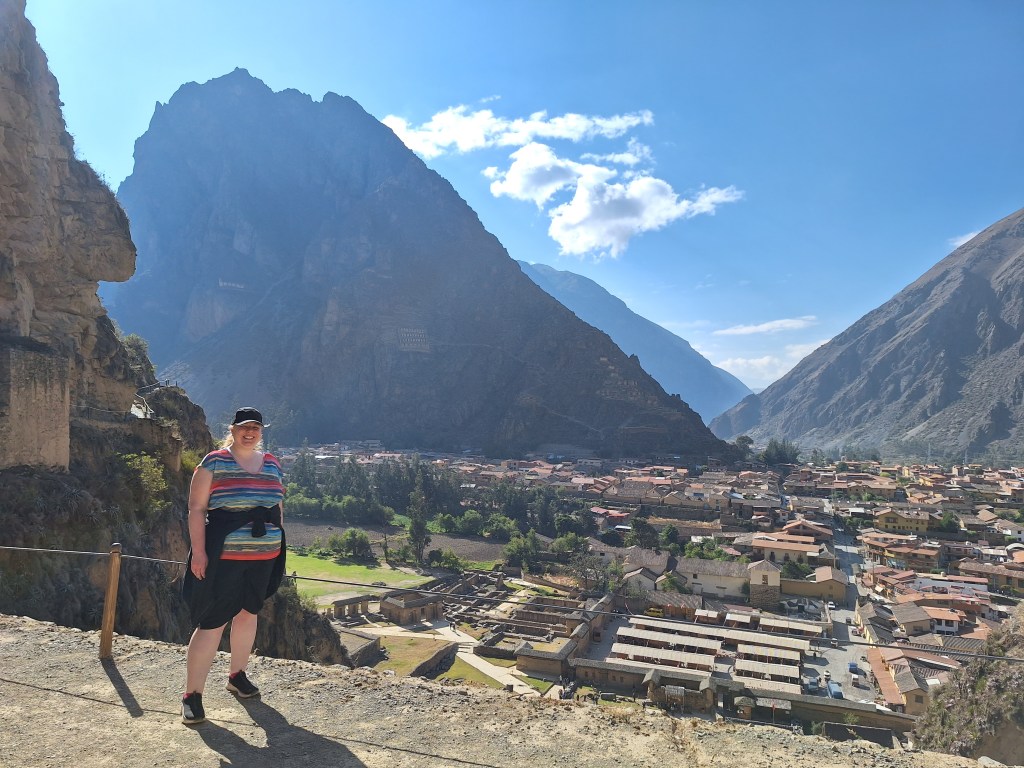
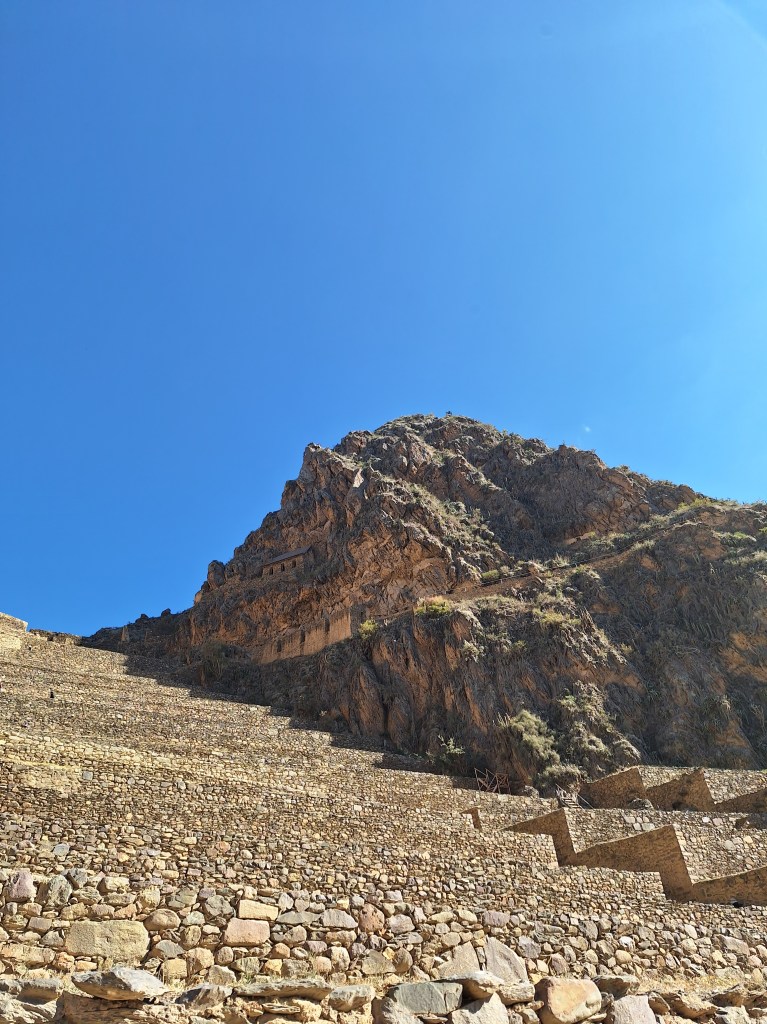
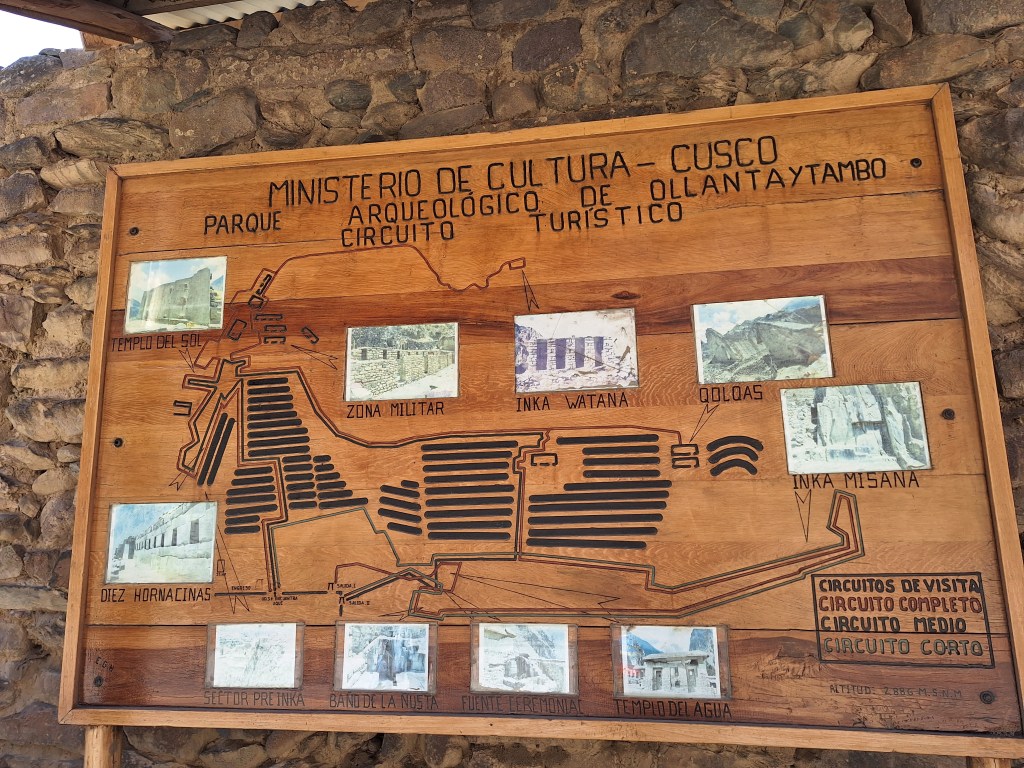
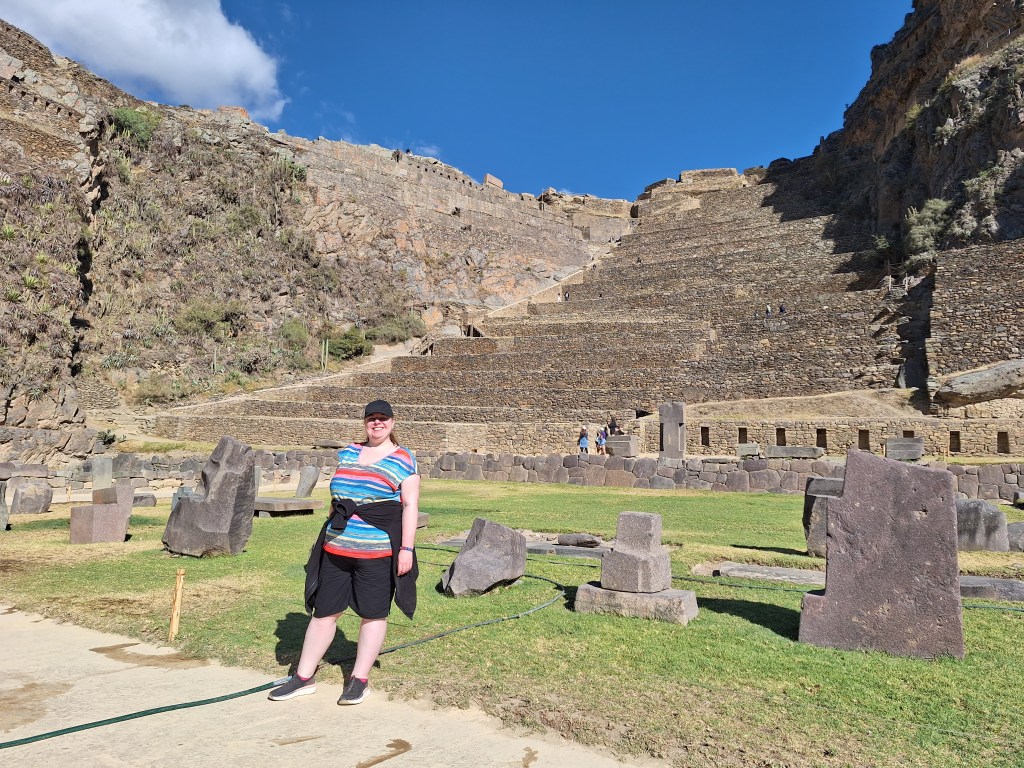
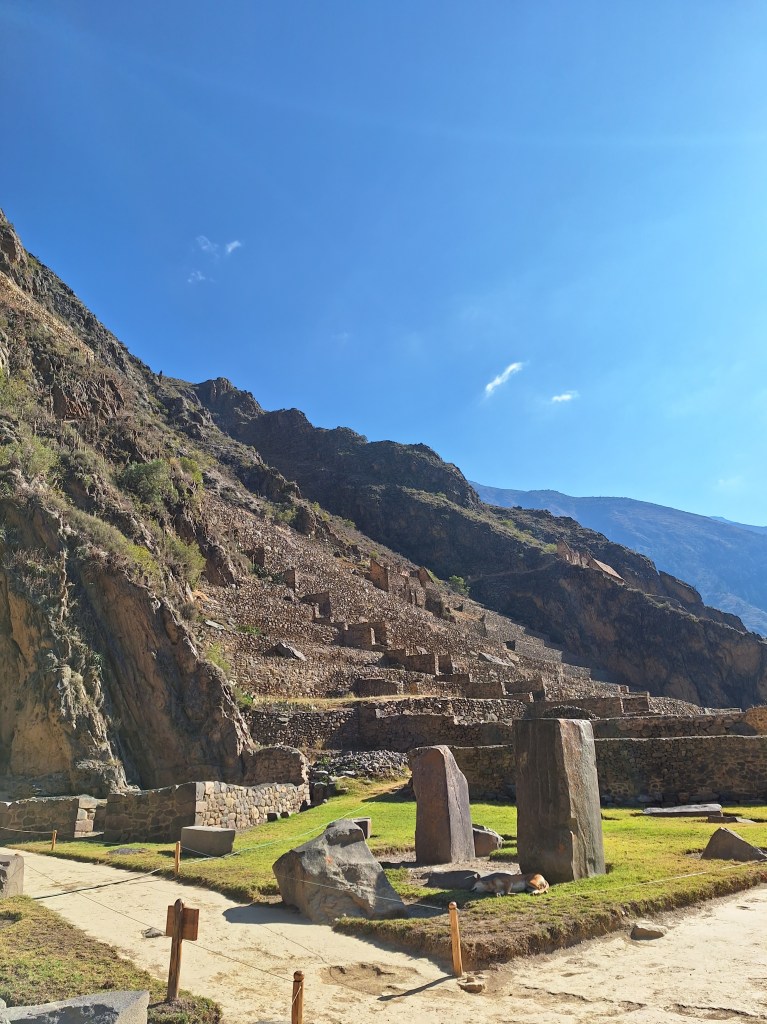

The majority of the stones were from the same place the site was built. However, for the temple on top, the stone came from the mountain opposite. When they cut the stone, they then had the issue of moving it over the river and up to the site of the temple. To get round this, they moved the river itself. So once they had all the stone they needed for the temple, they created channels and redirected the river so the rocks were then on the right side. They then built an incline road up (which is no longer there)
The Alcoves in the temples are facing the sun for offerings.
The main part of the site was farming but they stored it in thebl mountain opposite and high up as the cold air would come from the glazier 15km away and make it a natural refrigerator to keep the food fresh.
Peru only started focusing on tourism in 2000 which is when machu picchu and areas like this started being managed. It wasn’t before that and rubbish, vandalism etc were common and it was only 2007 machu picchu had restrictions put in place.
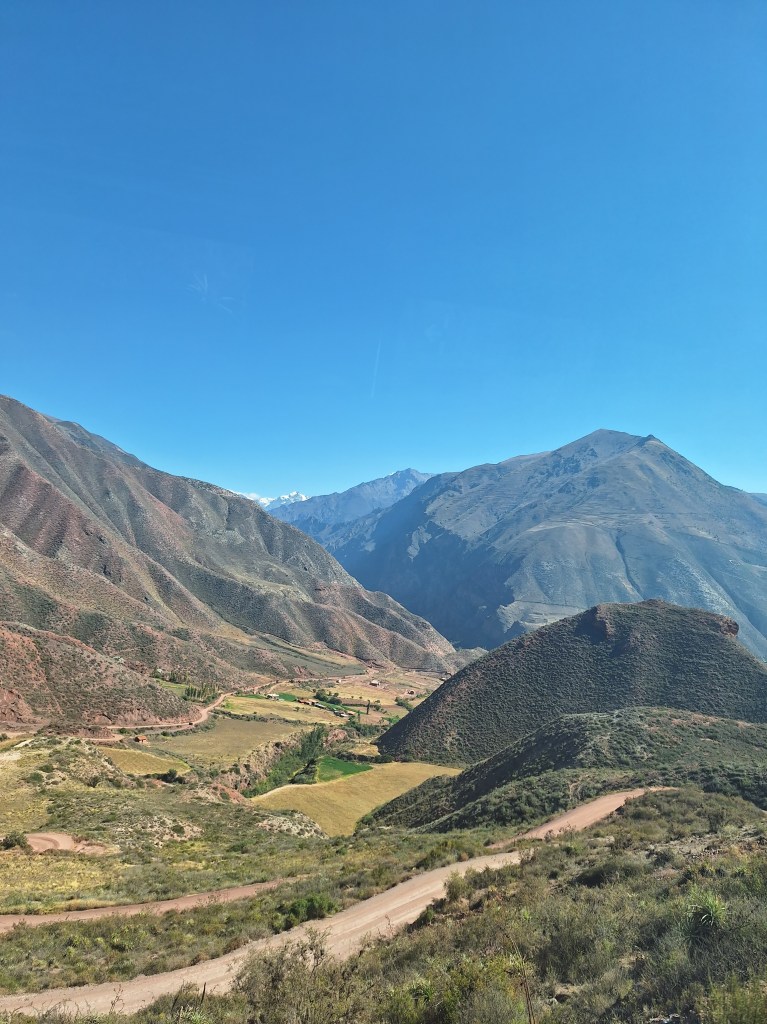
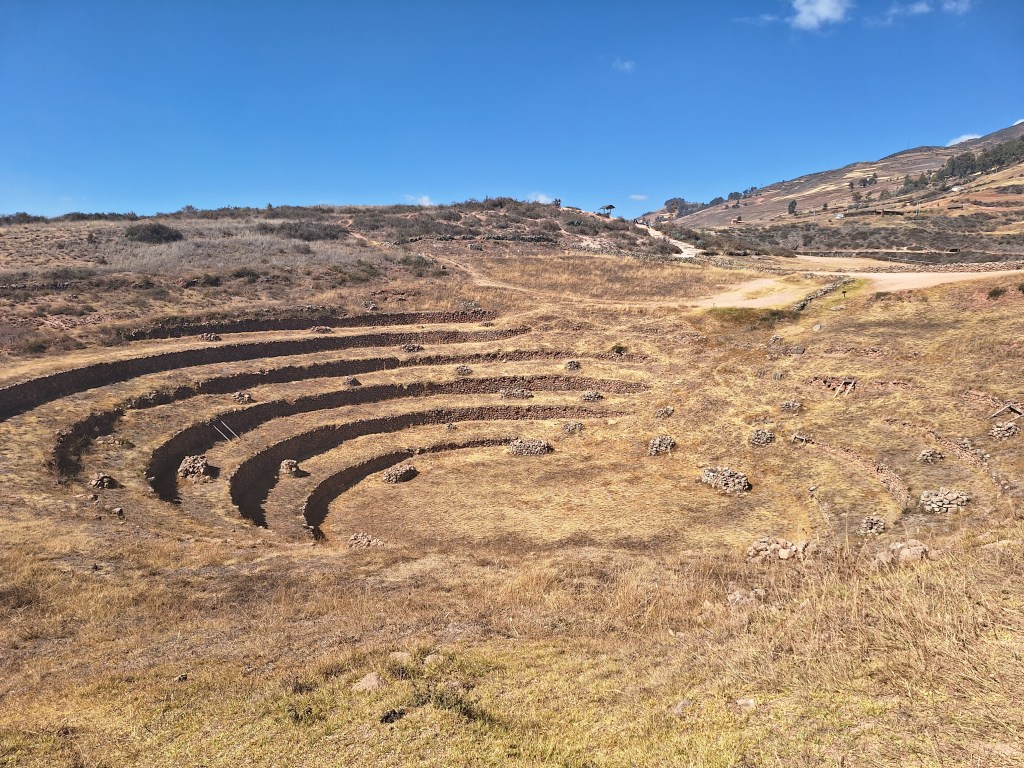
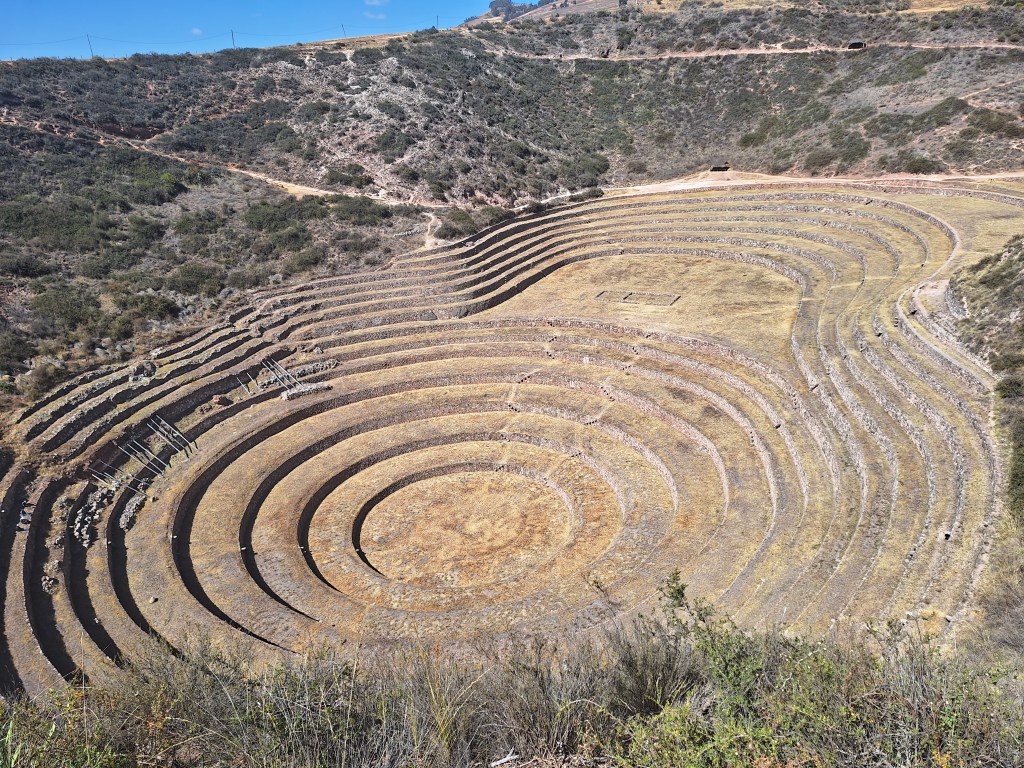
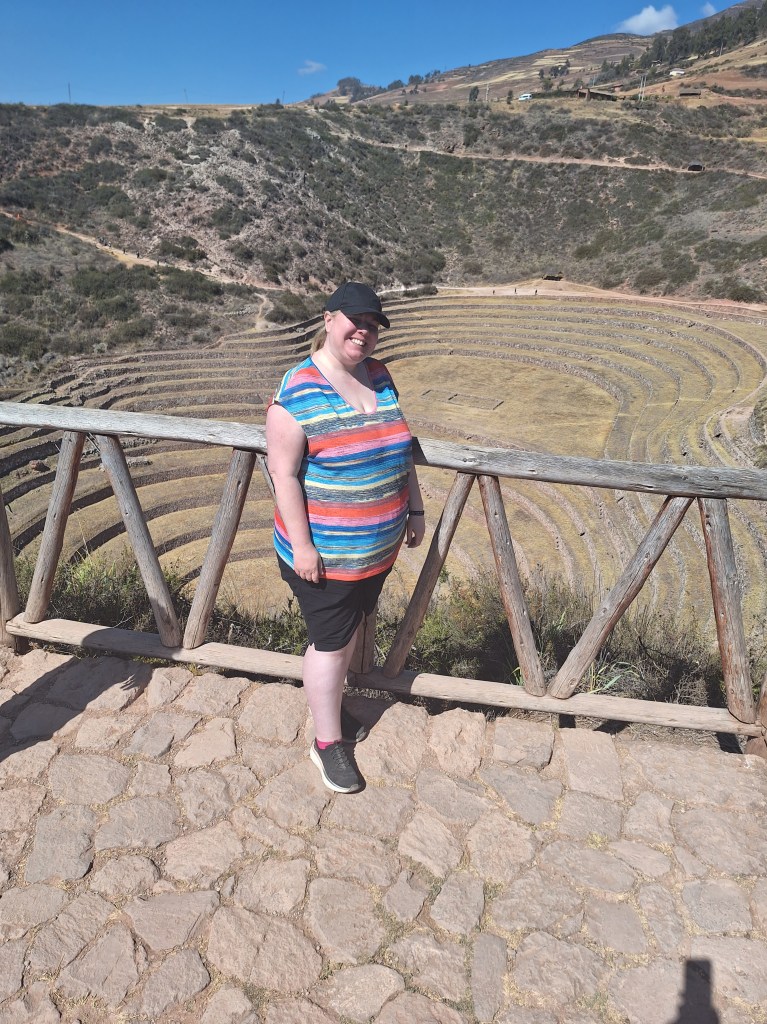
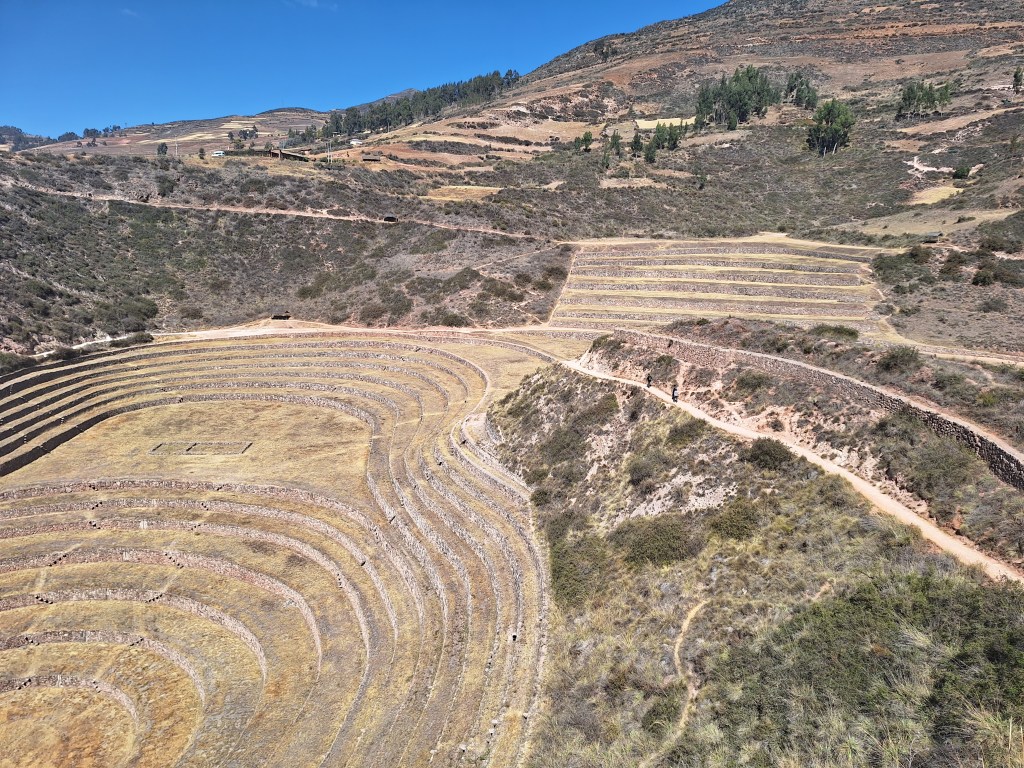
Moray archaeological site
These were terraces for farming and each level had a slightly different climate.
They would travel to gather different seeds and produce and plant it depending on where it would grow. They also made hybrids hence why they have so many types of potatoes and corn.
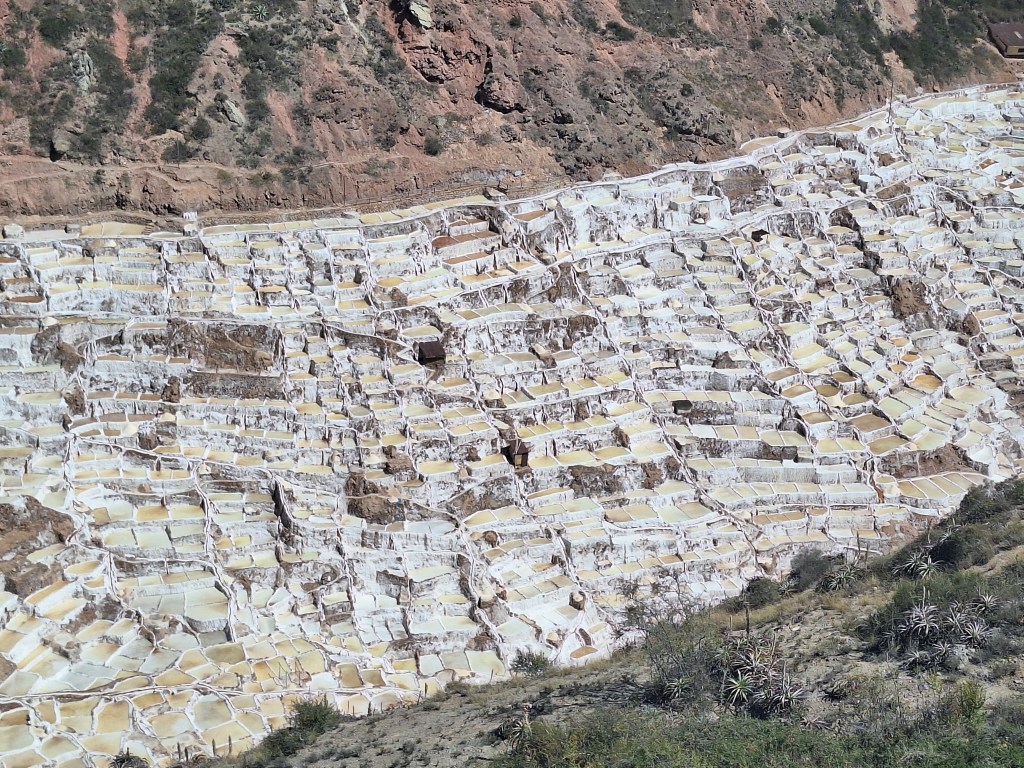
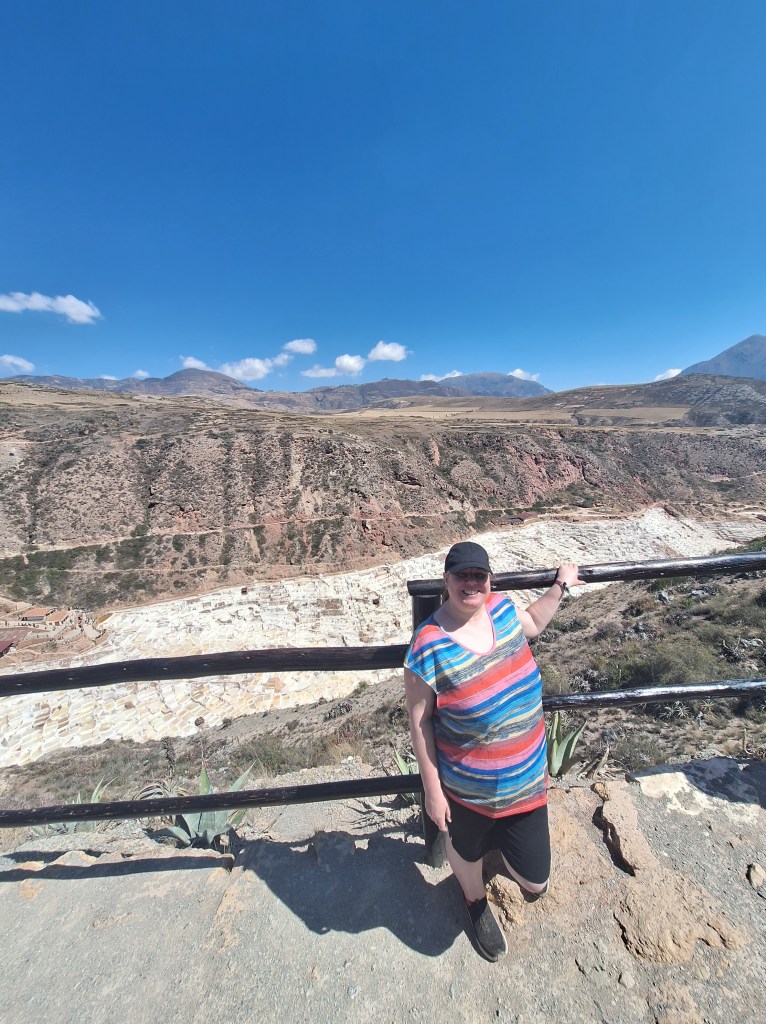
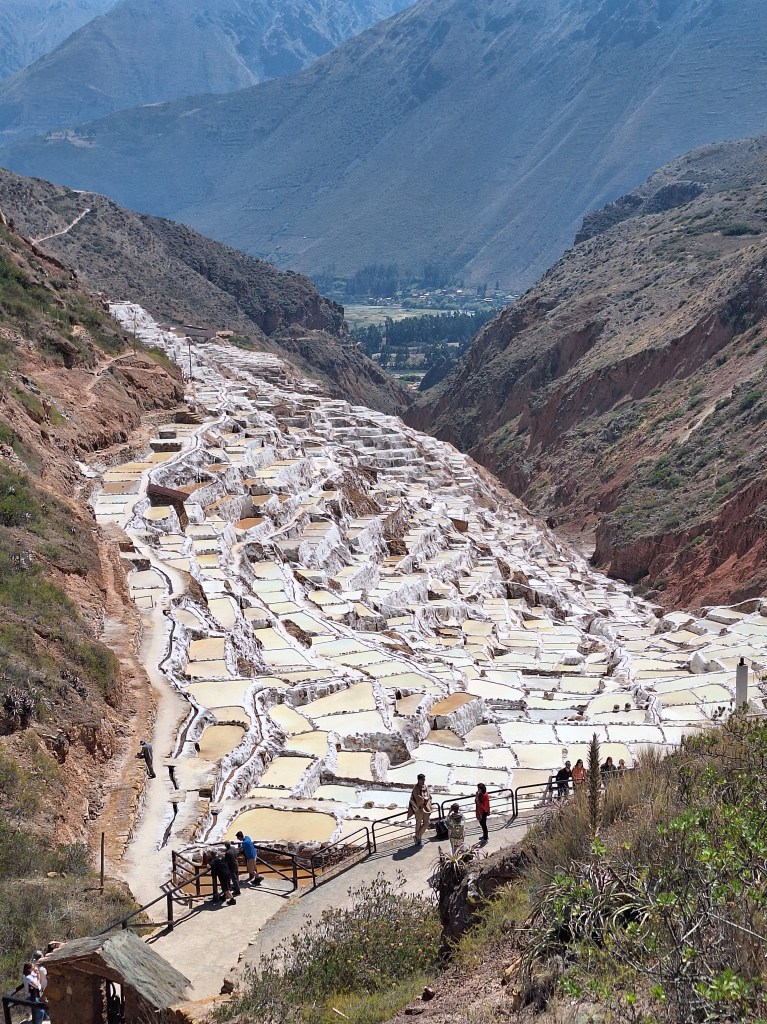
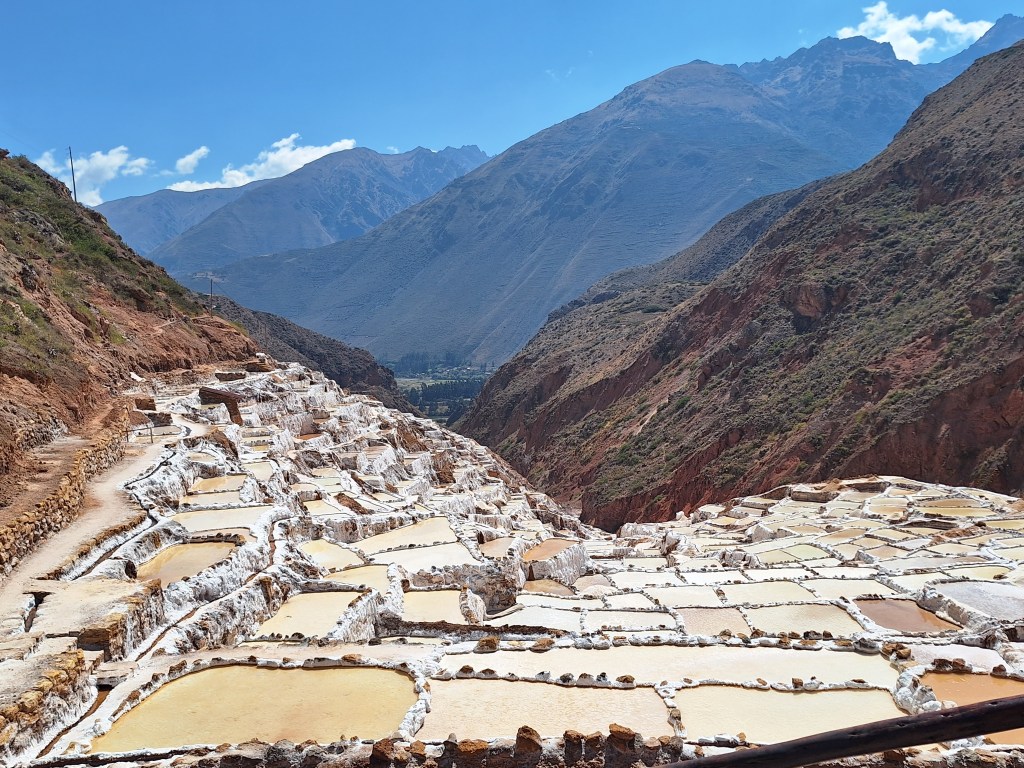
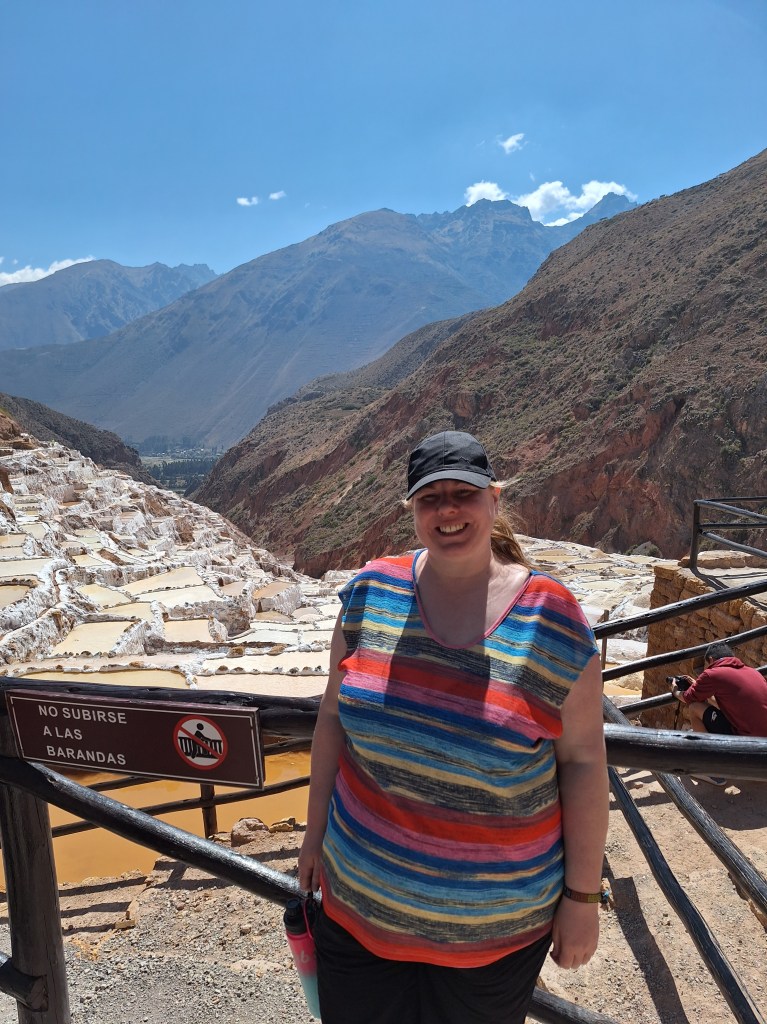
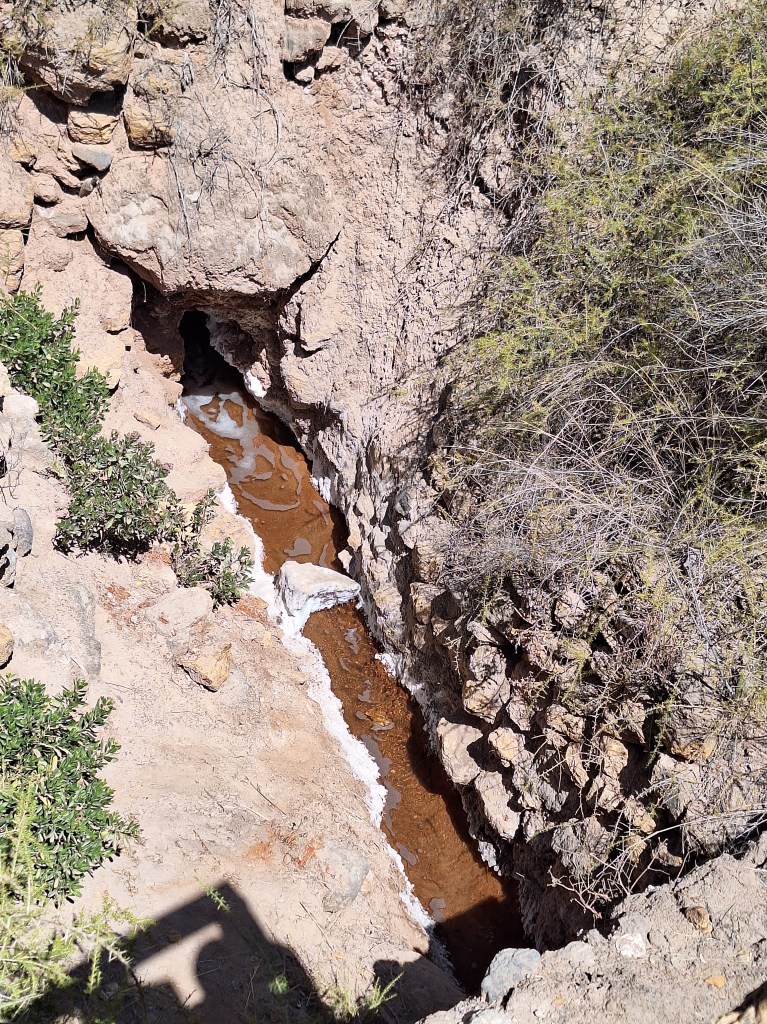
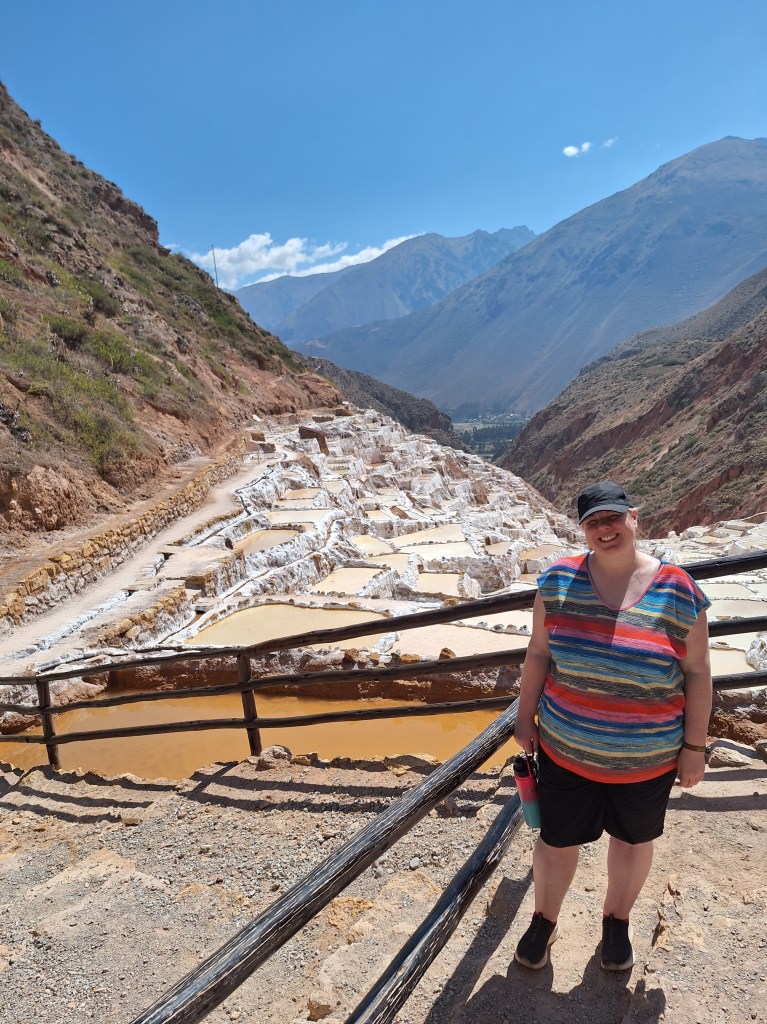
Maras Salt Mines There are 4500 pools at this salt mine. Natural salted water feeds into all the pools.
It takes less than 6 months to create the salt
Only work during dry season as the rain would ruin the process. All the pools are owned by people in the local towns and they pass them down to their children, so they are never sold.
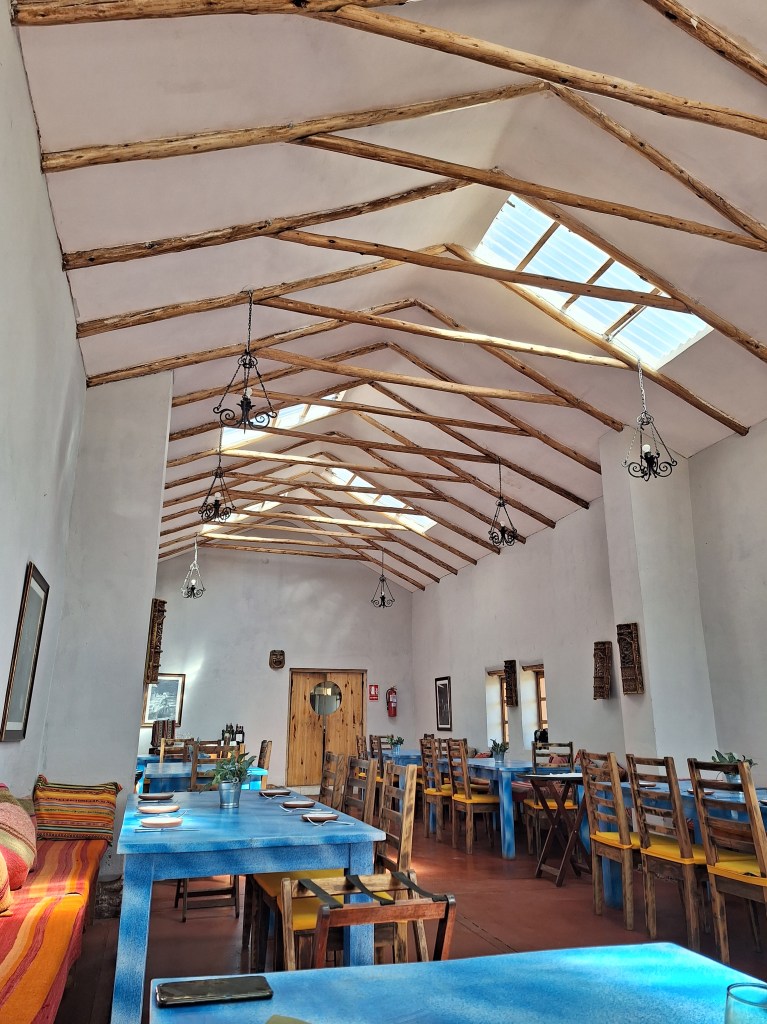
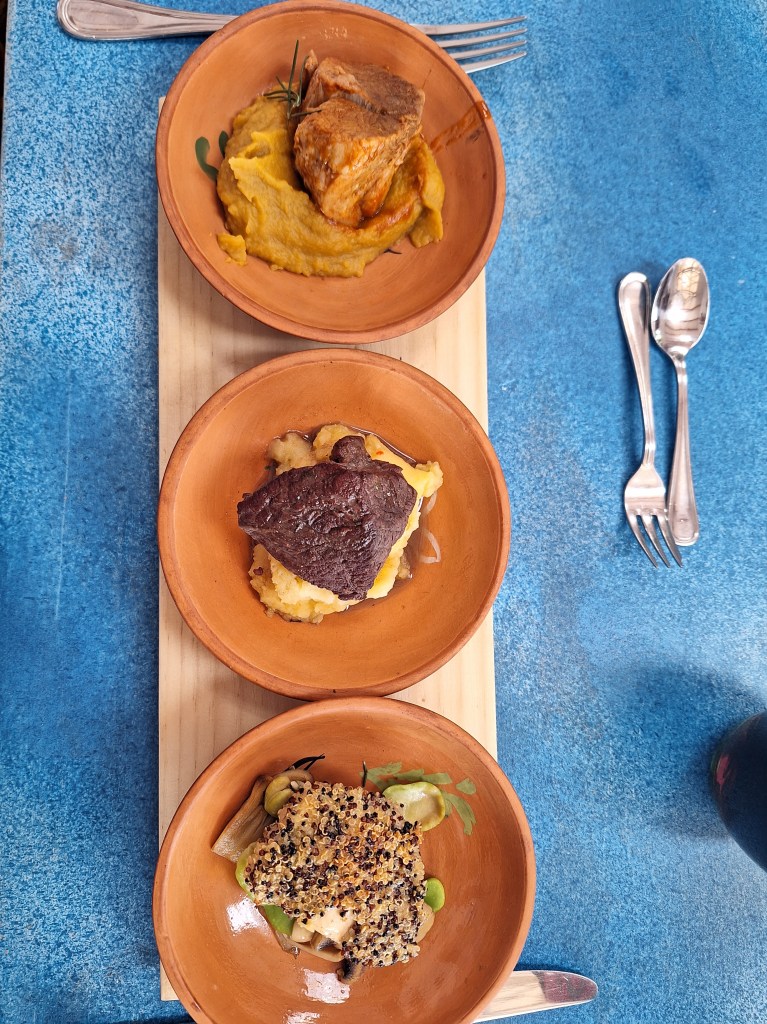
Posh lunch As the guys had lunch on the trek included we had a set menu at a lovely spot in the middle of nowhere lol we were the only ones there.
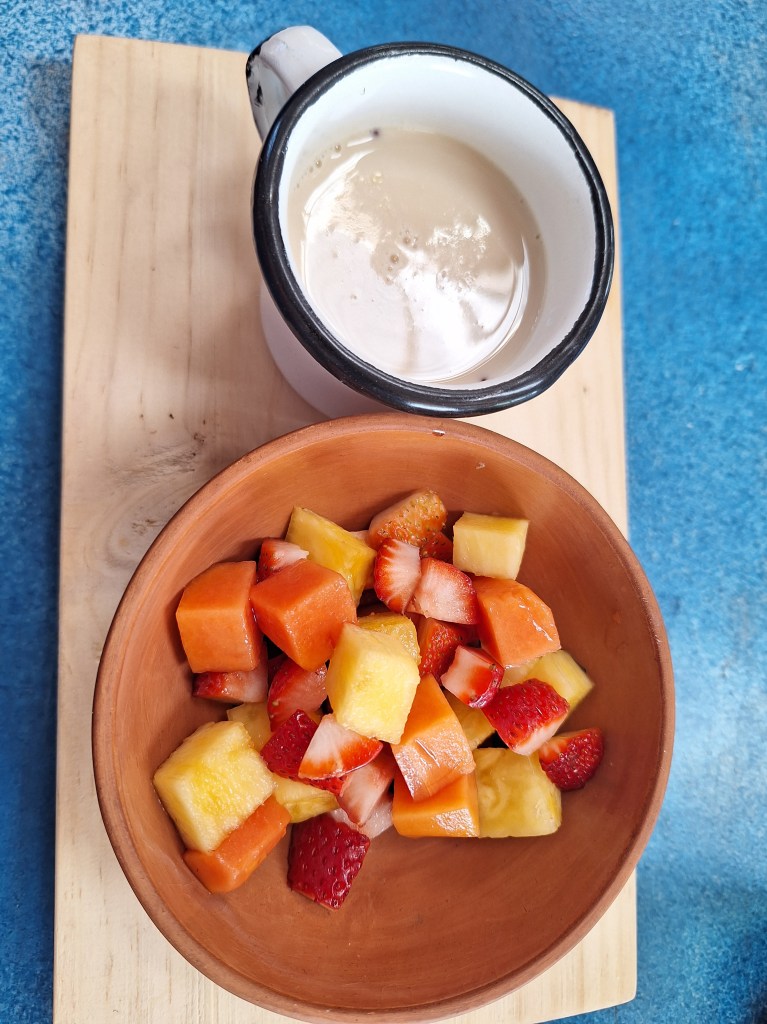
Our menu was: Chicken with cheese and quinoa, Beef with wine and mash potato, Pork with red chlie and sweet potato, Warm milk with quinoa, Strawberries, pineapple and papaya.
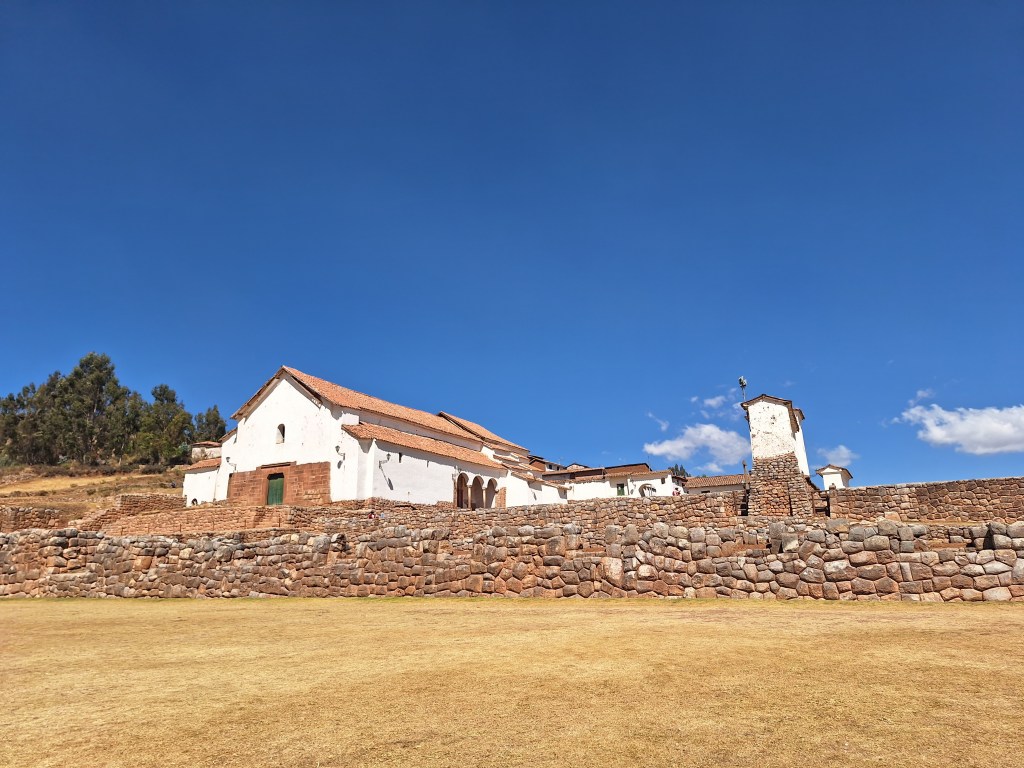
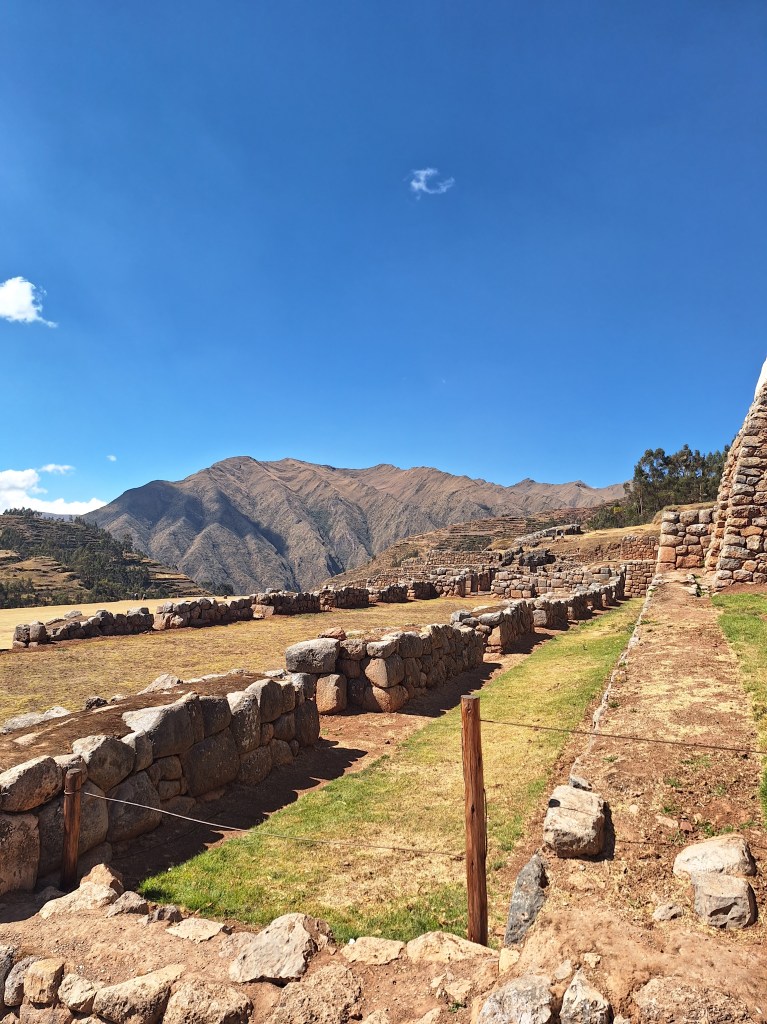
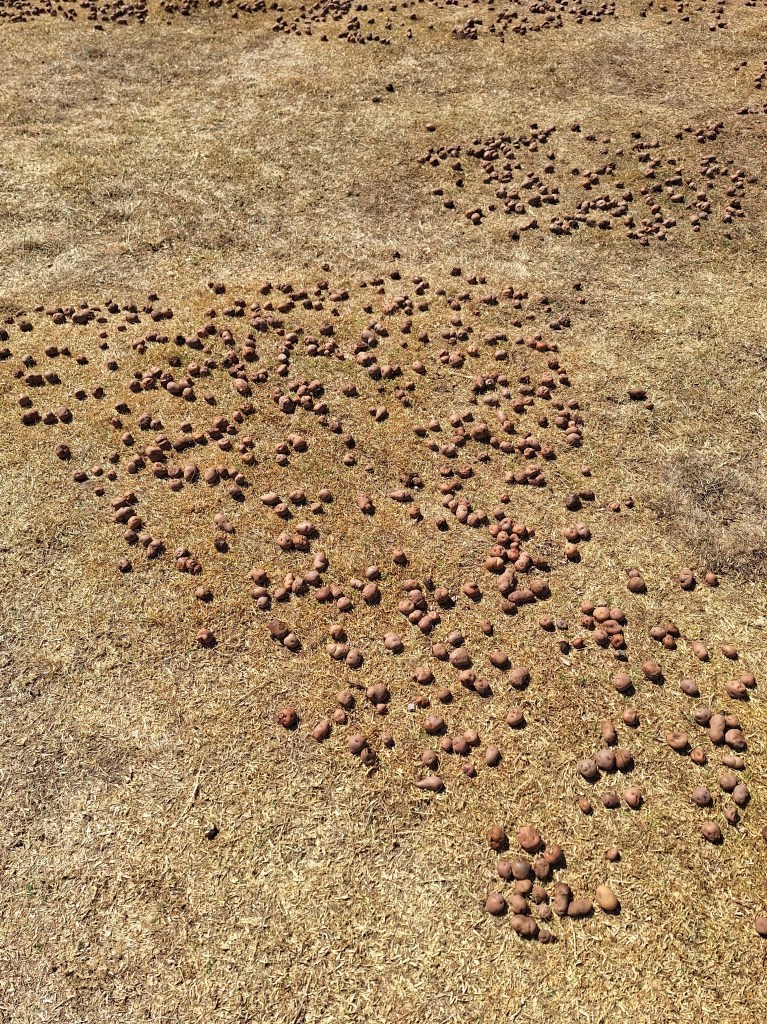
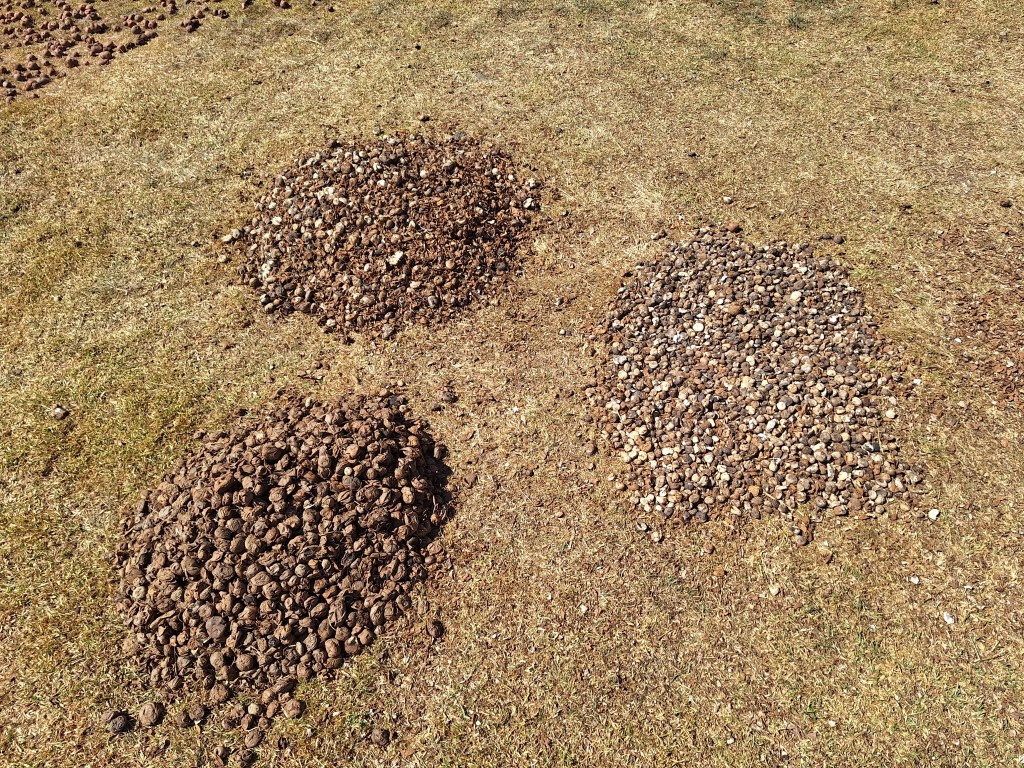
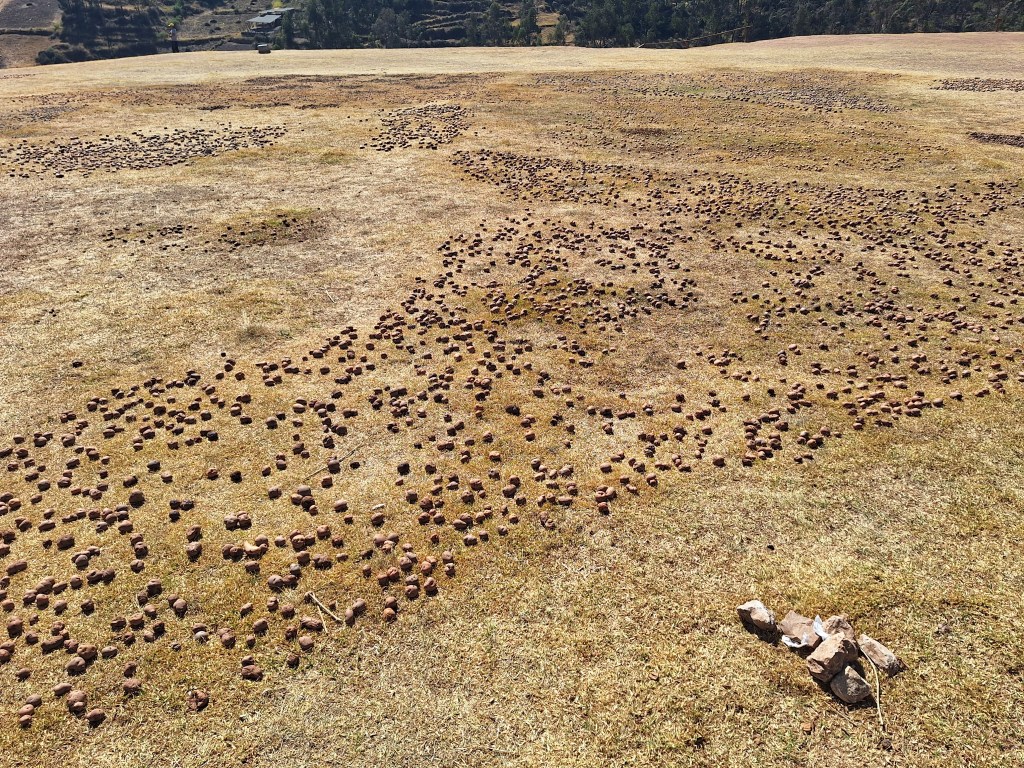
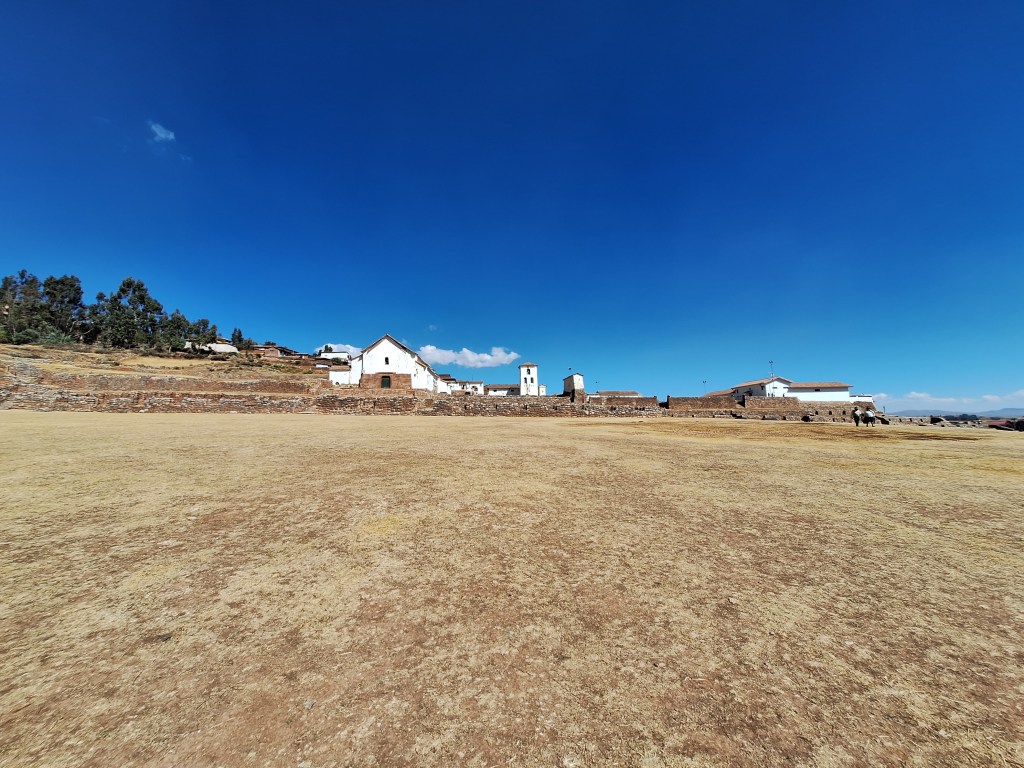
Chincheros Ruins Our last stop was the Chincheros Ruins and here we saw how they make Chuño, which is a dehydrated potatos. This method means they can last 10-40 years.
They leave the potatoes in sun and overnight its freezing, in the morning, they come and step on the potato to squeeze out the water and let them dry in the sun.
This is an inka method, and they use them in soup, especially on inka trail as it keeps you warm.

 Big Ginger Adventures Blog